
Last updated November 15, 2026
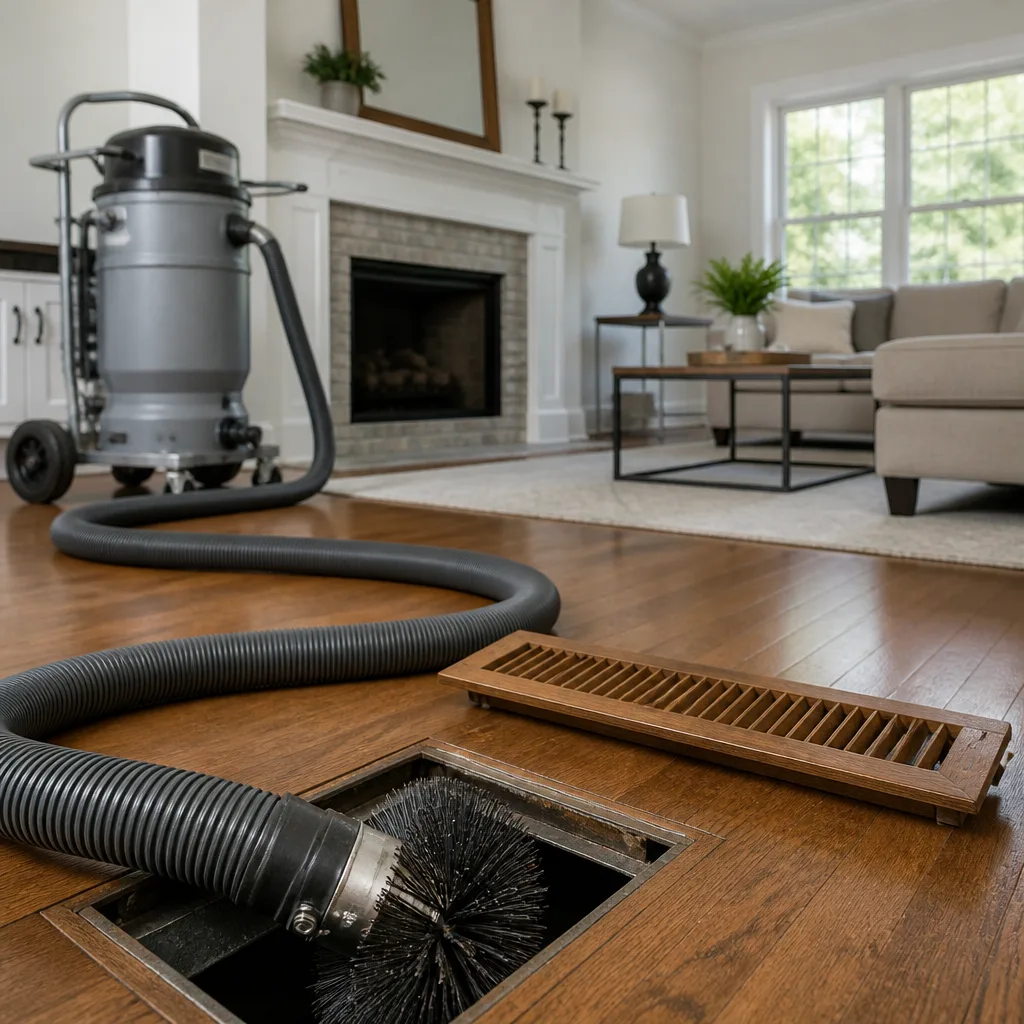 Whole-home duct cleaning
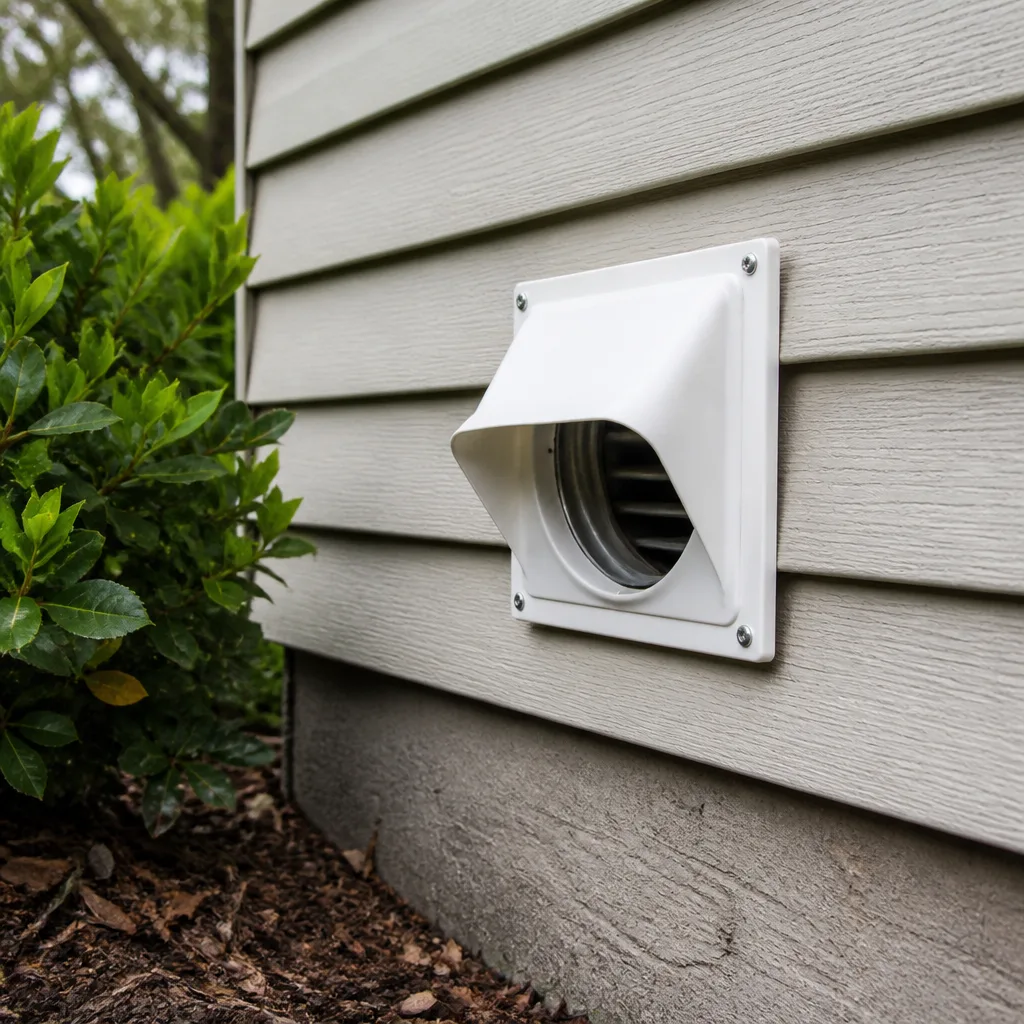 Dryer vent cleaning
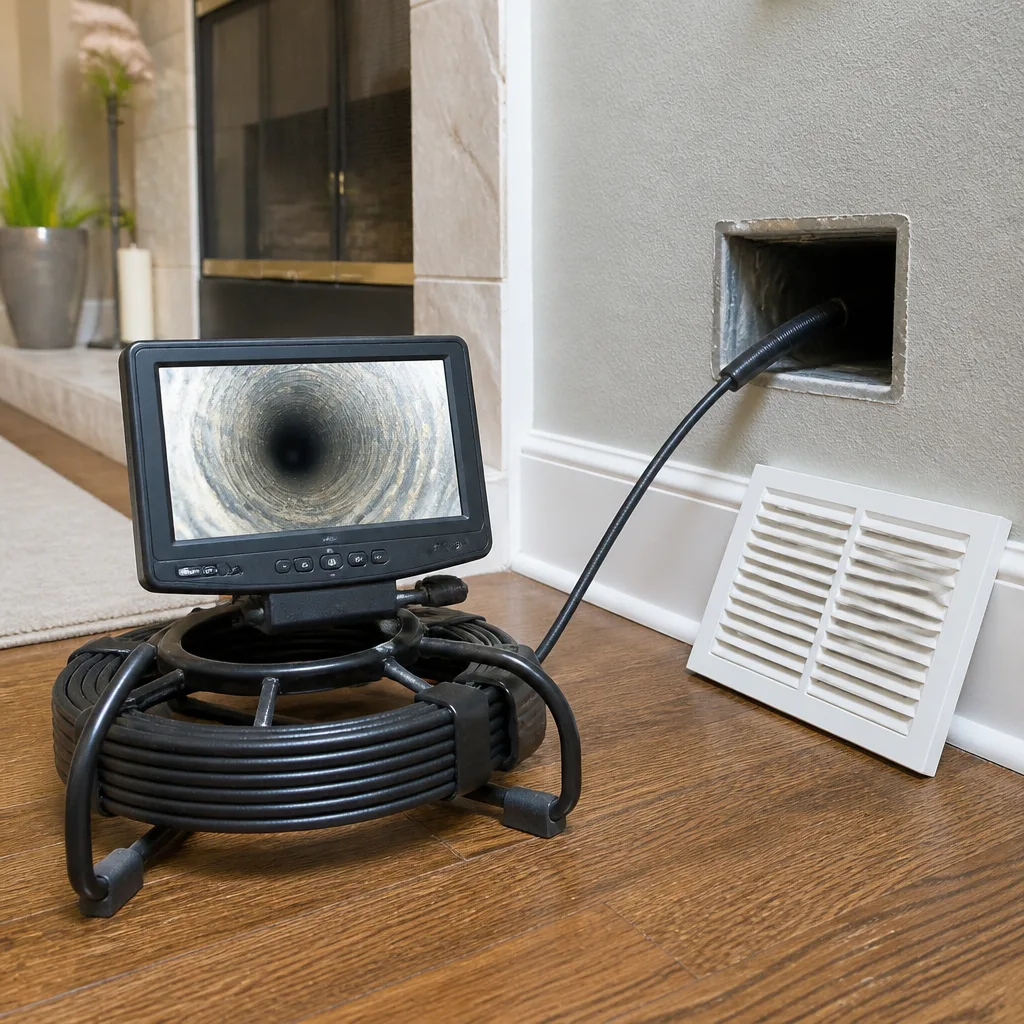 Camera inspection
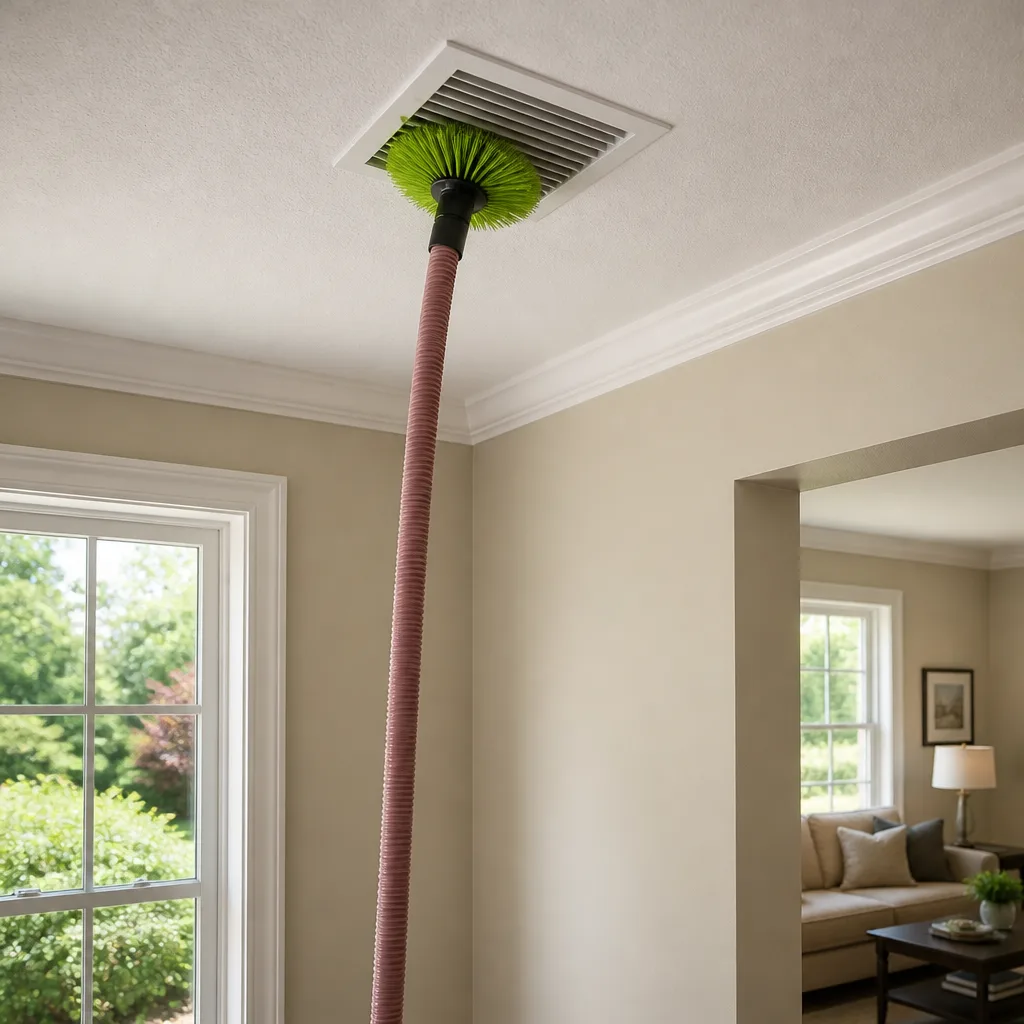 Sanitizing & deodorizing
Whole-system duct and dryer vent check with before-and-after photos - you see exactly what came out of your vents
That "$99 whole-house special" is a bait ad - the real number appears once they are in your hallway, or the "clean" is a shop-vac at the register. We photograph the inside of your ducts before and after instead.
Air Duct Cleaning Maintenance Checklist for Lexington Homeowners
If you replaced your MERV-8 filter on schedule but never checked your return air grilles, you may have vacuumed your living room while your duct system quietly collected a year’s worth of bypassed debris. Filters catch what reaches them. Grilles, boots, and the negative-pressure side of the system catch everything else, and most homeowners never look. That gap is what this checklist fixes. We’ll walk through a monthly, quarterly, and annual routine built for the forced-air systems common in Lexington homes, how to inspect supply and return registers with nothing but a flashlight, why indoor humidity between 40 and 50 percent matters more than most people realize, and how to keep a filter log that actually means something when you sell. Print it. Stick it inside a utility closet door.
Quick Answer
A workable air duct maintenance routine has three tiers: monthly filter checks and register inspections, quarterly humidity and airflow reviews, and an annual professional assessment that includes a visual look inside the ductwork itself. Professional cleaning is usually needed every three to five years in a typical Lexington home, sooner after renovation or if you have pets or allergy sufferers. Consistent small tasks are what stretch the gap between cleanings and make each one count.
Styles & brands we work with
- Whole-home duct cleaning
- Dryer vent cleaning
- Camera inspection
- Sanitizing & deodorizing
Table of Contents
- Why a Maintenance Checklist Beats One-Time Cleaning
- The Monthly Checklist
- The Quarterly Checklist
- The Annual Checklist
- How to Inspect Your Registers Without Tools
- Humidity, Microbial Growth, and Your Ductwork
- Filter Upgrade Thresholds: MERV-8 to MERV-11 and Beyond
- Building a Service Log That Matters at Resale
Why a Maintenance Checklist Beats One-Time Cleaning
Duct cleaning is not a one-time event. It’s one node in a system that also includes filtration, humidity control, airflow balance, and periodic visual checks. Get those other nodes right and your cleanings happen less often and accomplish more when they do. Skip them and even a thorough cleaning starts degrading the day the equipment leaves.
Here’s what happens mechanically. A forced-air system moves air through supply trunks, branch runs, boots, and return chases. Every joint is a potential leak. Every register is a potential bypass. When return-side grilles clog with dust and pet hair, the blower pulls harder and finds air wherever it can, including through gaps in duct seams in unconditioned attic or crawlspace space. That’s how debris that never entered your living room ends up coating the inside of your ductwork.
Lexington’s housing stock adds its own wrinkles. The city has a deep bench of mid-century ranches and older two-story homes where duct systems were retrofitted into spaces never designed for them. Attic-mounted air handlers and flex duct runs are common, and flex duct sags and tears in ways rigid metal doesn’t. Older neighborhoods near downtown and around the Chevy Chase area see plenty of systems that have been added to, patched, and re-routed over the years. A maintenance routine that accounts for this is different from one written for a new build.
Understanding the whole system, not just the vents, is where we start every conversation. If the phrase “duct cleaning” makes you think of a truck-mounted vacuum and an hour of noise, the checklist below will reframe that. You can read more about what full-system work involves on our air duct cleaning page.
The Monthly Checklist
Monthly tasks take under twenty minutes total. They’re the cheapest insurance you have against premature duct contamination, and they’re the ones most homeowners skip.
- Check the filter. Hold it up to a light source. If you can’t see light through the pleats, replace it. In Lexington’s pollen season, which runs long thanks to the surrounding horse country and blue ash canopy, filters load faster than the calendar suggests.
- Look at every return grille. Returns pull the dirtiest air in the house. A return that’s visibly gray or furry is passing debris straight into the return chase. Vacuum the face with a brush attachment.
- Spot-check supply registers. A flashlight across the register face shows streaking within seconds. More on reading those patterns below.
- Confirm airflow at each register. Hold a tissue near the grille. It should flutter steadily. A register that’s noticeably weaker than its neighbors signals a damper issue, a disconnected run, or a blockage worth investigating.
- Clear the area around the air handler. Stored boxes and holiday bins pressed against the unit restrict return air and force the blower to work harder.
- Check your dryer vent exterior hood. The flapper should open freely and close flat. Lint visible around the hood means it’s time for a full cleaning.
Record the date of each filter change. It feels excessive for two months. By month eight, that little log is the only reliable record of how your system actually behaves.
The Quarterly Checklist
Every three months, go a layer deeper. These tasks catch problems while they’re still cheap to fix.
- Measure indoor humidity. A basic hygrometer costs less than a dinner out. Target 40 to 50 percent relative humidity. Lexington summers push indoor humidity well above that in homes with oversized or short-cycling systems.
- Inspect accessible duct joints. Where ductwork runs through an open basement or garage ceiling, look for separated seams, torn flex duct jacket, or tape that’s dried and peeled.
- Vacuum return grille faces thoroughly. Not just a pass with the brush attachment. Pull the grille if it’s screwed on and clean both sides.
- Check condensate drainage. A clogged condensate line raises indoor humidity fast, and elevated moisture is the single biggest driver of microbial growth inside ductwork.
- Book or schedule professional dryer vent cleaning if it’s been a year or more. Lint accumulation in a dryer vent is one of the leading causes of residential fires, and the exterior hood check you do monthly won’t reveal buildup inside the run.
- Review your filter log. If you’re changing filters more often than the manufacturer’s schedule calls for, that’s information. It usually means return-side leakage or a filtration problem worth diagnosing.
The Annual Checklist
Once a year, ideally before heating season, do a full-system review. This is the tier where professional help earns its cost.
- Schedule a professional duct assessment. A proper assessment includes a visual inspection inside the ductwork, not just a look at the registers. Our technicians use Rotobrush and Nikro contact-cleaning systems that agitate and extract debris rather than relying on suction alone, and we bring Abatement Technologies air-scrubbing equipment on-site for containment-grade air quality control during the job.
- Have duct integrity checked. This is the step most companies skip. Loose joints, disconnected runs, and torn flex duct are common in Lexington homes, and cleaning a leaking system without repairing it wastes the cleaning. We diagnose and fix duct breaches as part of the same visit.
- Have the HVAC system serviced. A dirty evaporator coil or blower wheel reintroduces debris into clean ductwork within weeks.
- Replace or upgrade filtration. Review whether your current filter is the right match for your blower. More on this below.
- Consider whole-home filtration. If anyone in the house has allergies or the home sits near a busy corridor, a media cabinet or whole-home purifier from the Honeywell or Aprilaire lines is worth discussing during the assessment. We source and install both.
- Document everything. Photograph filter changes, note dates, file the assessment report. Your future self, or your buyer’s inspector, will thank you.
One call covers cleaning, repair, and air quality recommendations. That matters when a cleaning visit uncovers a problem: nobody has to come back out and start over.
How to Inspect Your Registers Without Tools
You don’t need a borescope to catch most duct problems early. You need a flashlight, five minutes, and the ability to read what you’re seeing.
Start with the supplies. Shine the light across each register face at a shallow angle rather than straight at it. Streaks and films show up in raking light that disappear under direct illumination.
Then read the discoloration pattern. Each pattern points somewhere specific:
- Uniform light gray film on every register. Normal dust loading. Cleaning on schedule will handle it.
- Dark streaking radiating outward from the register slots. Air is being forced through with enough velocity to carry debris. Often a sign of undersized duct or a partially closed damper elsewhere.
- Black or sooty deposits concentrated at one register. This one register is collecting debris the others aren’t. A disconnected or leaking run nearby is the usual cause.
- Gray fuzz on return grilles only. Return-side bypass. The return chase is pulling air from an unintended source, often an attic or crawlspace.
- Greenish or powdery white spotting near the grille. Moisture. Stop and check the humidity question before anything else.
- Rust streaks at the boot. Condensation forming on cold ductwork in summer. Insulation on that run is compromised.
Photograph anything that catches your eye and date it. When you eventually call a professional, those photos shorten the diagnosis considerably. If you find a disconnected run or a badly torn duct, leave the repair to a trained technician. Sealing ductwork correctly requires mastic, proper materials, and access you probably don’t want to attempt from a ladder.
Humidity, Microbial Growth, and Your Ductwork
Keep indoor relative humidity between 40 and 50 percent. Above 60 percent, the risk of microbial growth inside ductwork rises sharply, because dust deposits plus sustained moisture is exactly the environment mold and mildew need. Below 30 percent, you get dry sinuses and static, but the ductwork itself stays healthier.
Lexington’s climate makes this an active management problem rather than a set-and-forget setting. Summers are humid enough that an oversized air conditioner cools the house before it dehumidifies it, leaving indoor humidity in the sixties. Winters swing dry. The duct system feels both extremes.
What to watch for:
- A hygrometer reading above 55 percent in summer despite the AC running normally points to an oversized system, a clogged condensate line, or a dirty evaporator coil.
- Musty smell from supply registers when the system first kicks on suggests moisture has been sitting in the ductwork or on the coil.
- Condensation on duct surfaces in unconditioned space means the insulation on those runs has failed. Wet insulation is a microbial reservoir.
If you find persistent humidity problems, the fix is usually upstream of the ducts: air sealing, a properly sized system, or a whole-home dehumidifier. Cleaning moldy ductwork without addressing the moisture source just resets the clock. During a cleaning visit we check for moisture issues and recommend filtration or dehumidification solutions from the Aprilaire line where they fit the problem.
Filter Upgrade Thresholds: MERV-8 to MERV-11 and Beyond
A MERV-8 filter is the right default for most Lexington homes. Step up to MERV-11 when someone in the house has allergies, when you’ve recently renovated, or when you have multiple pets. Beyond MERV-11, check your blower’s rating before buying, because a filter that’s too restrictive starves the system of airflow and can damage the blower motor over time.
Here’s the practical breakdown of when each threshold applies:
- MERV-8: Standard 1-inch filter slot, no specific air quality concerns. Protects equipment and captures most large particulate.
- MERV-11: Allergy sufferers, pets, recent renovation dust, or a home near a busy road. Captures fine particulate without excessive pressure drop in most systems.
- MERV-13 and above: Only with a media cabinet or a system rated for the pressure drop. A 1-inch MERV-13 in a standard slot is usually a mistake; it chokes airflow and the motor pays for it.
Check the static pressure rating on your air handler’s spec plate before upgrading. If you can’t find it, ask during your annual assessment. A media cabinet from Honeywell or Aprilaire sits outside the return, holds a deep pleated filter, and delivers high filtration with far less airflow restriction than a thick 1-inch filter in a thin slot. That’s the upgrade path most homes actually need, and it’s worth a conversation during a cleaning visit rather than a guess at the hardware store.
Building a Service Log That Matters at Resale
Keep a simple written record of every filter change, every professional visit, every repair, and every assessment. Buyers and lenders care about documented maintenance because it demonstrates the system was cared for, and it’s the difference between a home inspection conversation that goes smoothly and one that doesn’t.
What to log, in a notebook or a shared document:
- Date of each filter change, filter rating (MERV), and how dirty it was.
- Date of each professional cleaning, who performed it, and what equipment was used.
- Any duct repairs made: which run, what was fixed, and by whom.
- Humidity readings if you track them, with notes on season.
- Photos of before-and-after for cleaning visits and repairs.
- Any air quality equipment installed: filtration, purifier, dehumidifier, with model numbers.
When we clean a system, we photograph the ducts before and after so you have visual proof of the work, not a line item on an invoice. That documentation goes in your log, and it stays with the house when you sell. A buyer asking for maintenance records is asking a fair question. A homeowner with a dated log answers it in thirty seconds.
If you’re in a Lexington neighborhood where homes turn over regularly, this habit pays off more than most maintenance tasks. It costs nothing but consistency.
Common Mistakes to Avoid
- Replacing the filter but never touching the return grilles. Filters capture what reaches them. Grilles capture what doesn’t. Vacuum the return faces monthly or the filter is doing half its job.
- Upgrading to the highest MERV number available. A MERV-13 in a 1-inch slot can choke airflow and shorten blower motor life. Match the filter to the system, not the label.
- Ignoring humidity because the AC “feels fine.” A house can feel comfortable at 65 percent relative humidity. Ductwork in that house is a microbial risk regardless of how it feels.
- Cleaning ductwork without checking for leaks first. Cleaning a leaking system and then leaving the leaks in place means the work degrades within weeks. We check integrity as part of every cleaning for this reason.
- Treating duct cleaning as a one-time event. No cleaning lasts indefinitely in a house with pets, pollen, and a running HVAC system. The maintenance routine is what makes each cleaning last.
- Never cleaning the dryer vent because the dryer still works. A dryer that runs but takes two cycles to dry clothes is telling you the vent is restricted. Lint buildup in a dryer vent is a leading cause of residential fires, and it’s invisible from the outside.
- Keeping no records. A maintenance log costs nothing and makes a real difference at resale. Skipping it means every future conversation about the system starts from zero.
See the difference
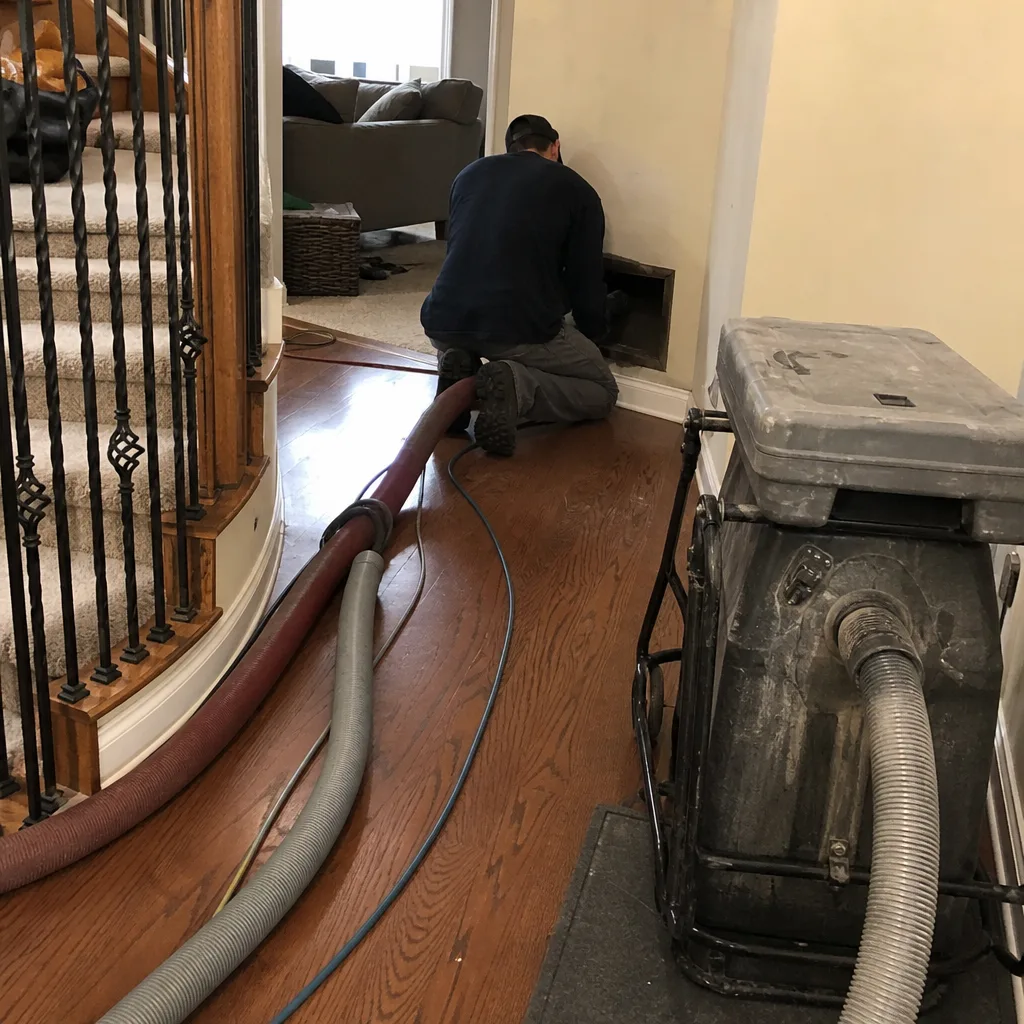 Before
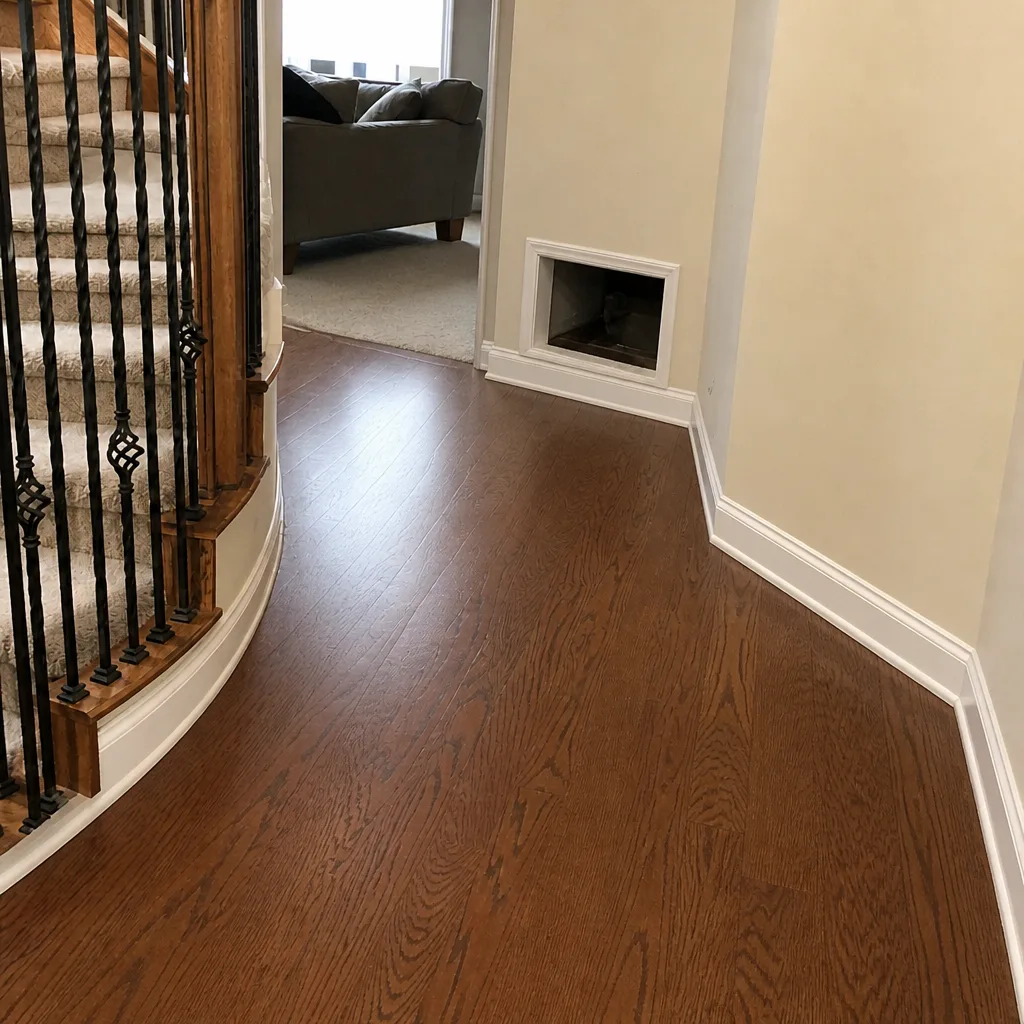 After
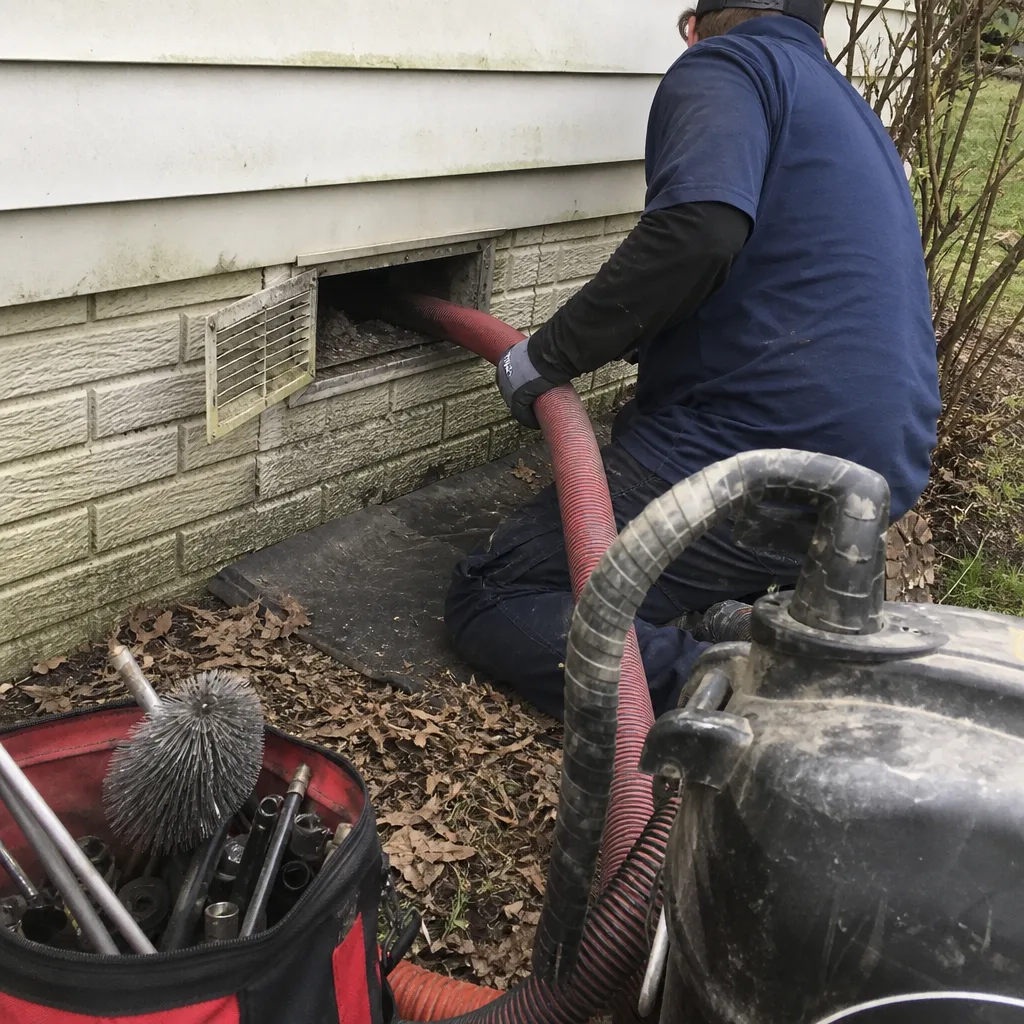 Before
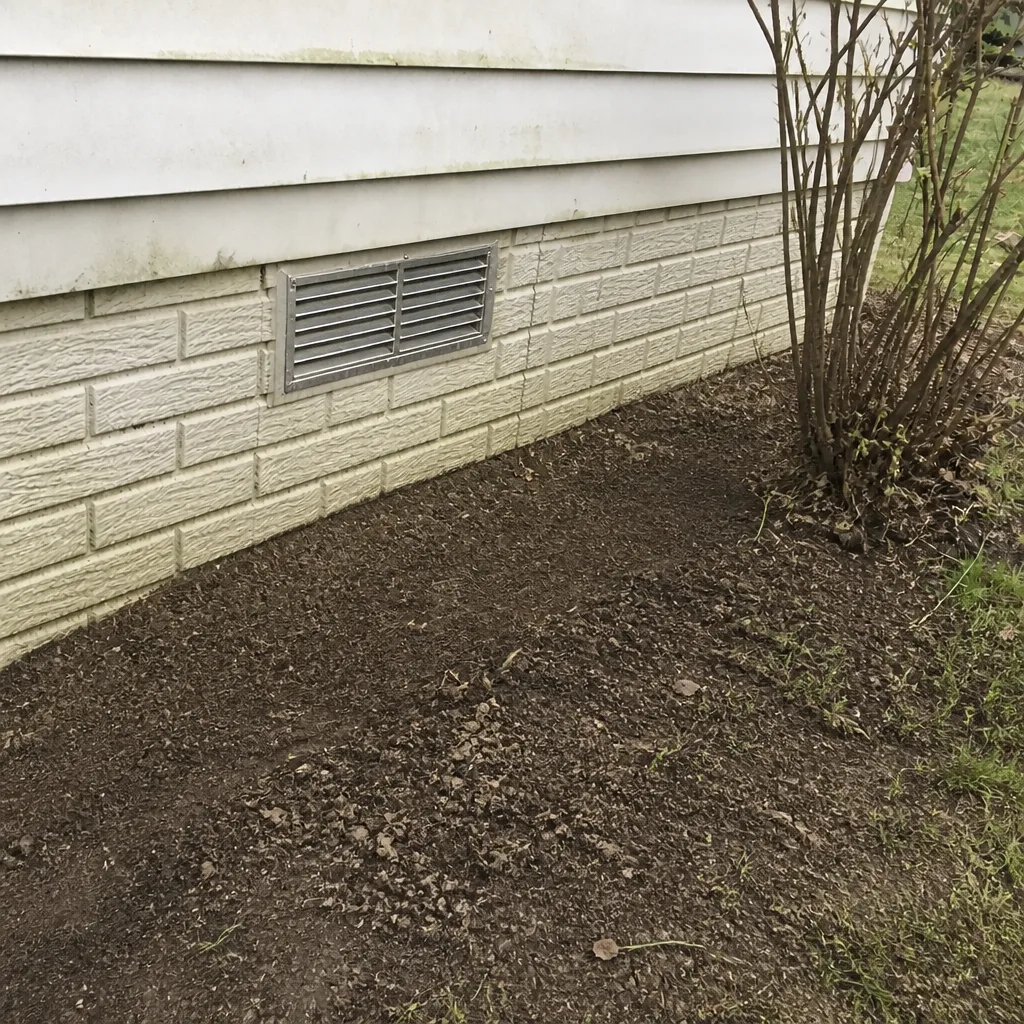 After
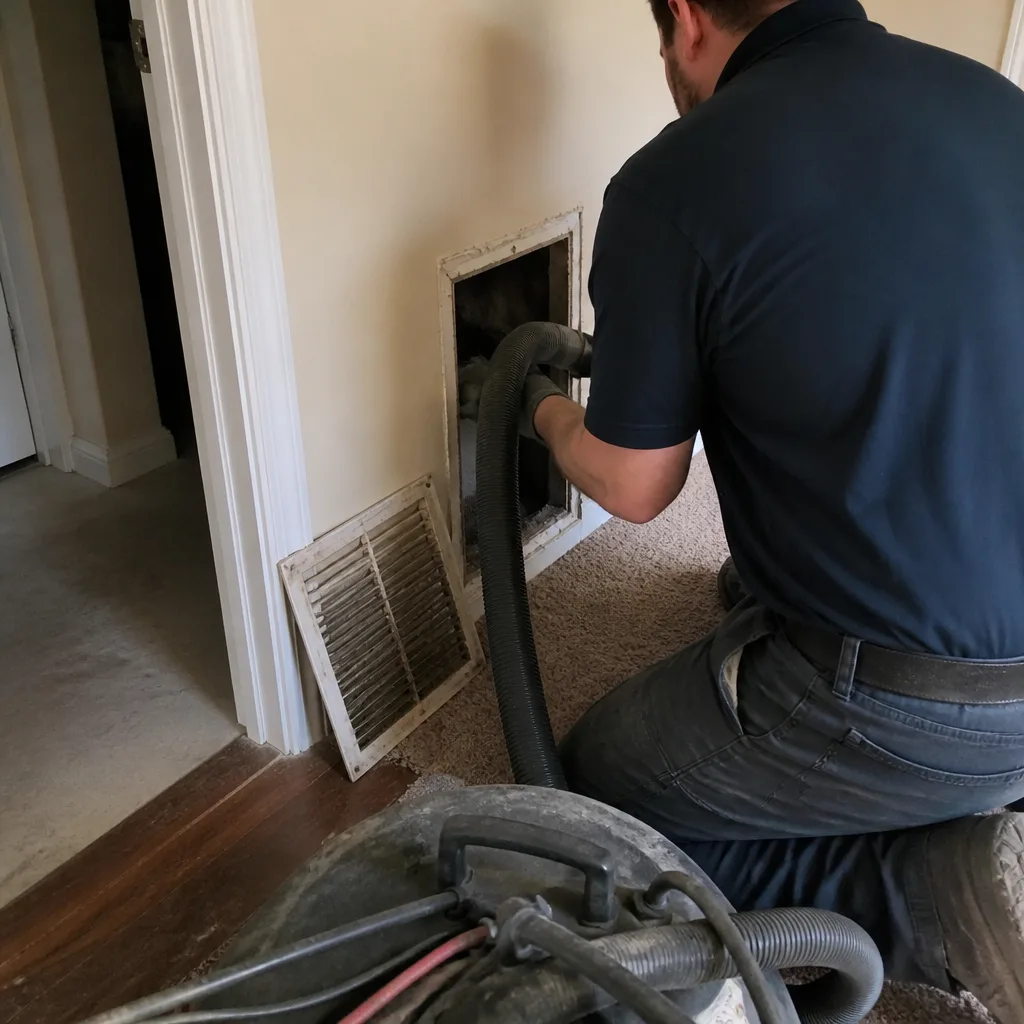 Before
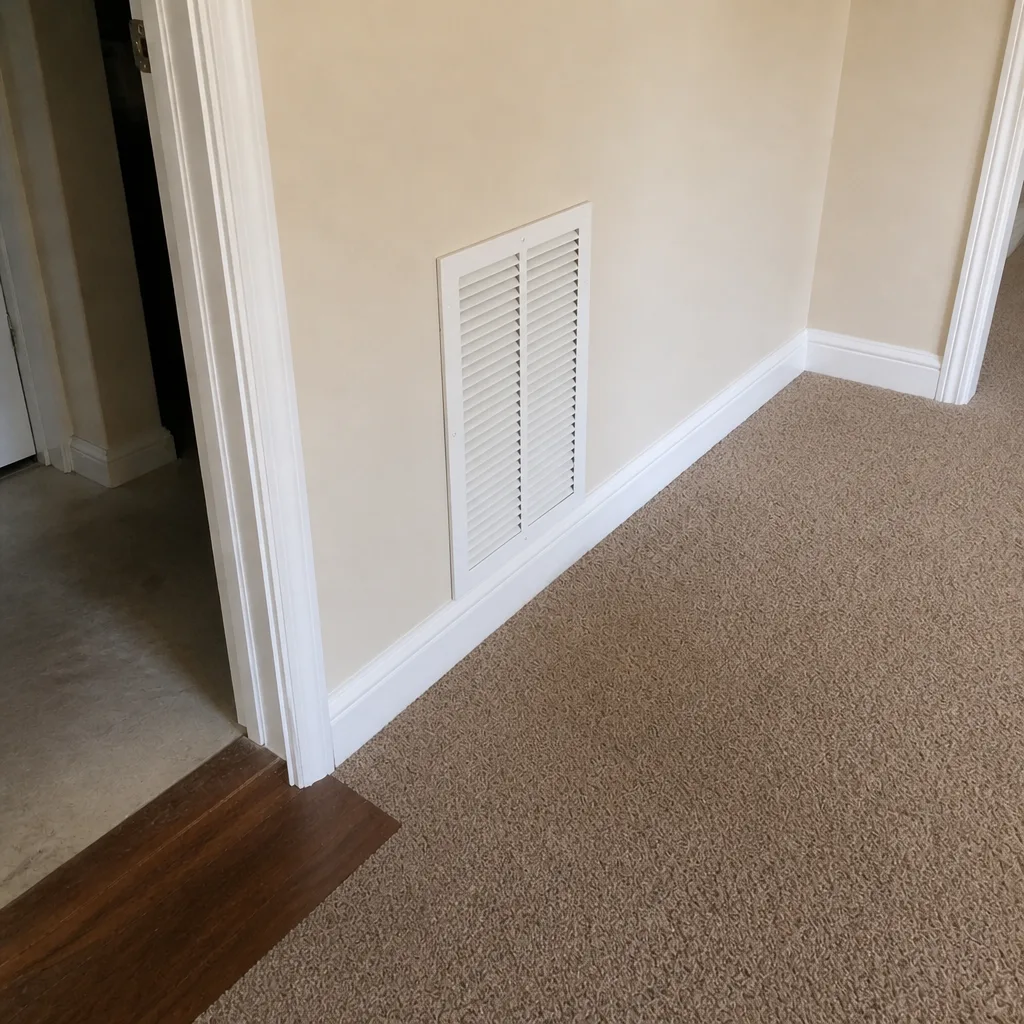 After
When to Call a Professional
Some tasks belong in your monthly routine. Others need equipment and training you can’t replicate with a shop vacuum. Call a professional when you find visible debris accumulation at multiple registers, when airflow drops noticeably at some registers but not others, when you smell mustiness from the supply side, when you’ve just finished a renovation that generated significant dust, when the dryer takes noticeably longer than it used to, or when it’s simply been three to five years since the last cleaning and you can’t remember the last assessment. If you find a disconnected duct run or torn flex duct during a register inspection, stop and get it looked at; sealing ductwork correctly takes the right materials and access. Duct Cleaning Lexington offers free estimates in Lexington, and we’ll tell you honestly whether you need a cleaning, a repair, or neither. Call (877) 331-2339. We answer 24/7. Fast dispatch from 7am to 7pm, Sunday through Friday.
Frequently Asked Questions
Every three to five years is typical for most homes, sooner if you have pets, allergy sufferers, or have recently renovated. Homes with ongoing humidity problems or return-side leakage may need closer attention. The checklist above is designed to stretch the interval by keeping the system healthy between cleanings. Call (877) 331-2339 for an assessment.
Pricing depends on the size of the system, how many runs it has, and what condition it’s in when we inspect it. We give a flat price per system after the assessment, agreed before any work starts, and we don’t price by the vent. That’s the honest way to quote a cleaning. Call (877) 331-2339 and we’ll talk through your system and schedule a free estimate.
Cheap quotes usually price per vent or offer a low teaser that grows once the technician is on site. The equipment matters too: a shop vacuum is not a Rotobrush or Nikro contact-cleaning system, and neither is a quick pass with a wand. Ask any company what equipment they use and whether the price is locked in before work begins. Call (877) 331-2339 for a flat-price estimate.
Ask for before-and-after photos of your own ducts, not stock images. We photograph every cleaning so you can see what came out. If a company won’t show you visual proof, that’s a reason to look elsewhere. Call (877) 331-2339 to schedule an assessment with documentation.
Cleaning helps by removing accumulated dust and biological material from the system, but it’s one part of the picture. Filtration upgrades, humidity control, and the condition of your HVAC equipment all matter. A whole-home media cabinet or purifier from the Honeywell or Aprilaire lines is often the more meaningful improvement for allergy sufferers. We can assess what’s actually in your system and recommend accordingly. Call (877) 331-2339 for a free estimate.
Documented maintenance helps. A dated log with cleaning records, filter changes, and photos of the work gives buyers confidence the system has been cared for, and it answers the inspection questions that come up during a sale. Cleaning itself isn’t a value multiplier, but the record of it matters. Call (877) 331-2339 to start that record.
The Bottom Line
Duct cleaning works best as part of a routine, not as an isolated event. Check filters and registers monthly. Review humidity and schedule dryer vent cleaning quarterly. Have the full system assessed annually, and have anyone who cleans it confirm the ducts aren’t leaking before they start. Keep a log of everything. That routine keeps cleanings less frequent and more effective, and it leaves you with records that matter at resale. In Lexington, where humid summers, heavy pollen, and a lot of retrofitted duct systems make all of this a live question, a simple checklist does more than any single service call. If you’d rather have a professional look, our team at Duct Cleaning Lexington works across Lexington and can walk you through the system in person. Call (877) 331-2339. We answer 24/7. Fast dispatch from 7am to 7pm, Sunday through Friday.
Written by the team at Duct Cleaning Lexington.