
Last updated November 15, 2026
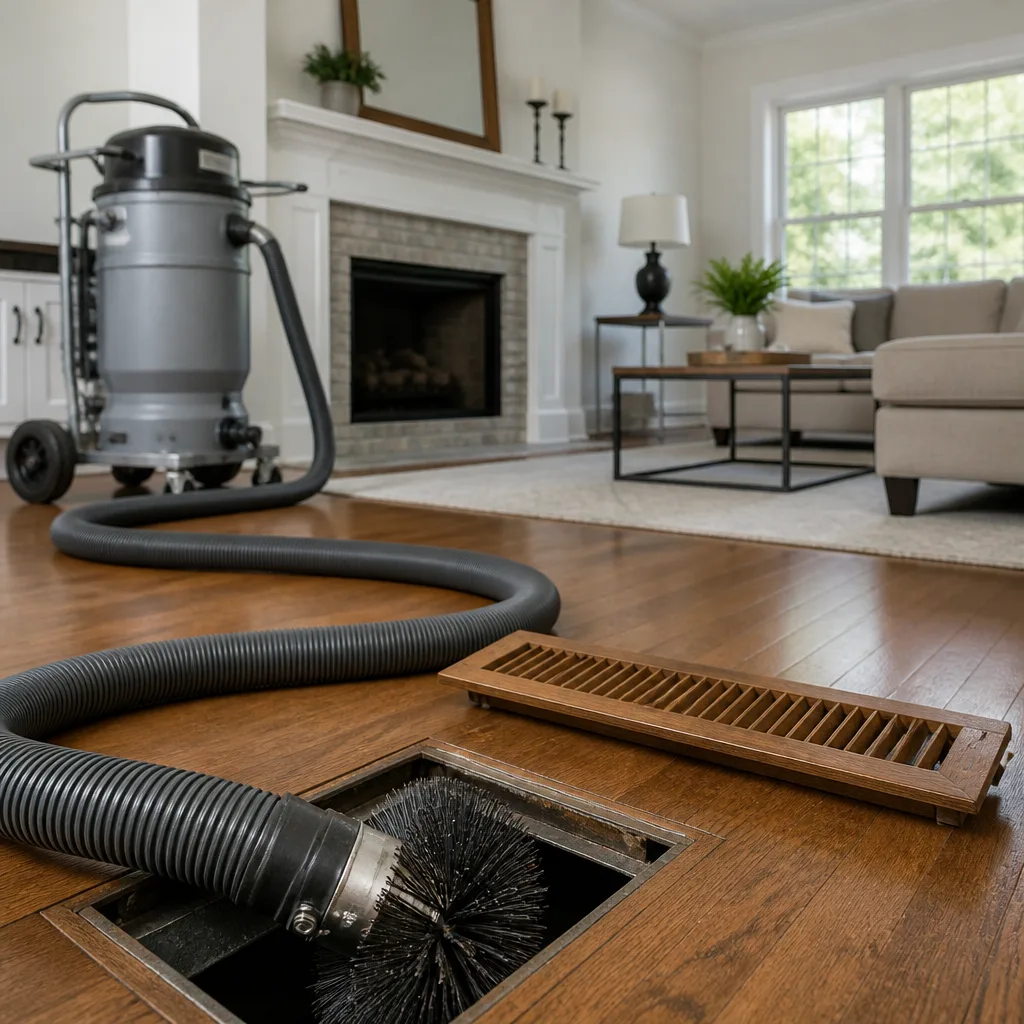 Whole-home duct cleaning
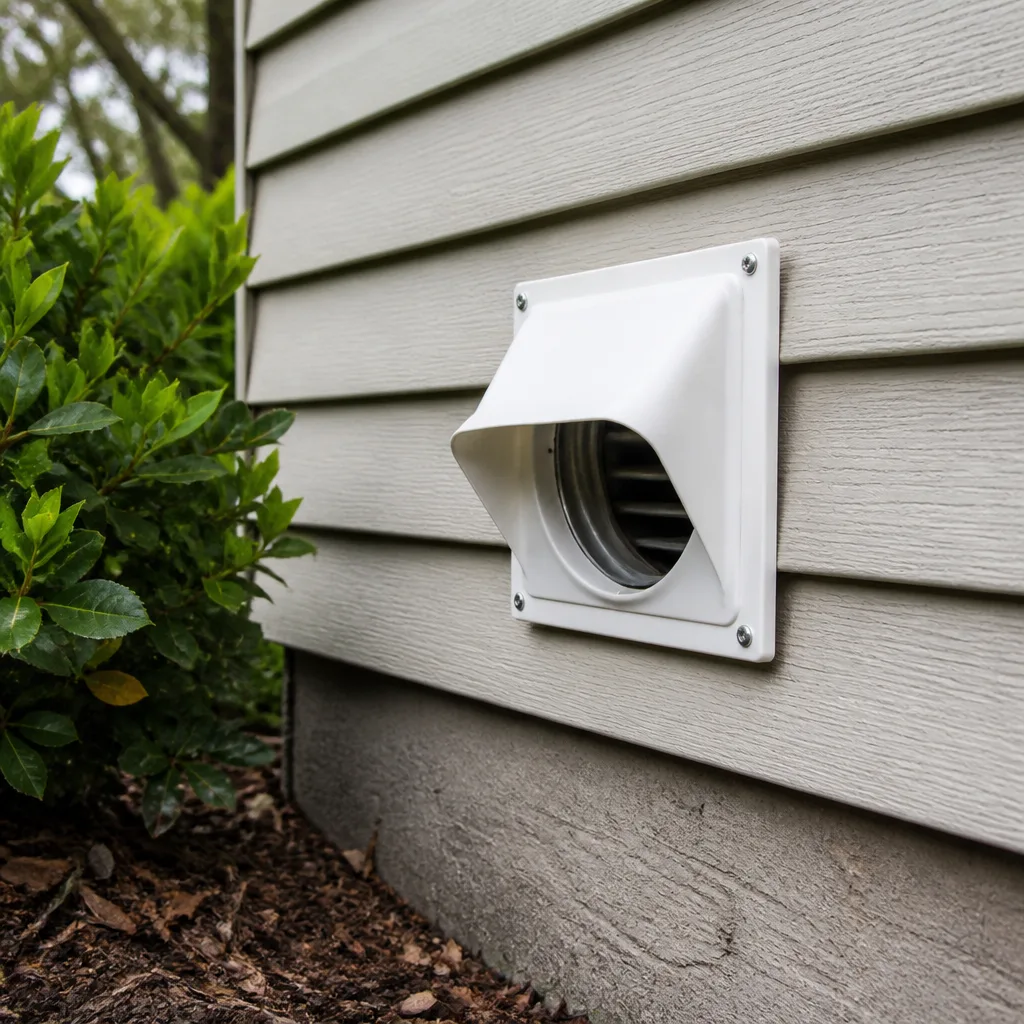 Dryer vent cleaning
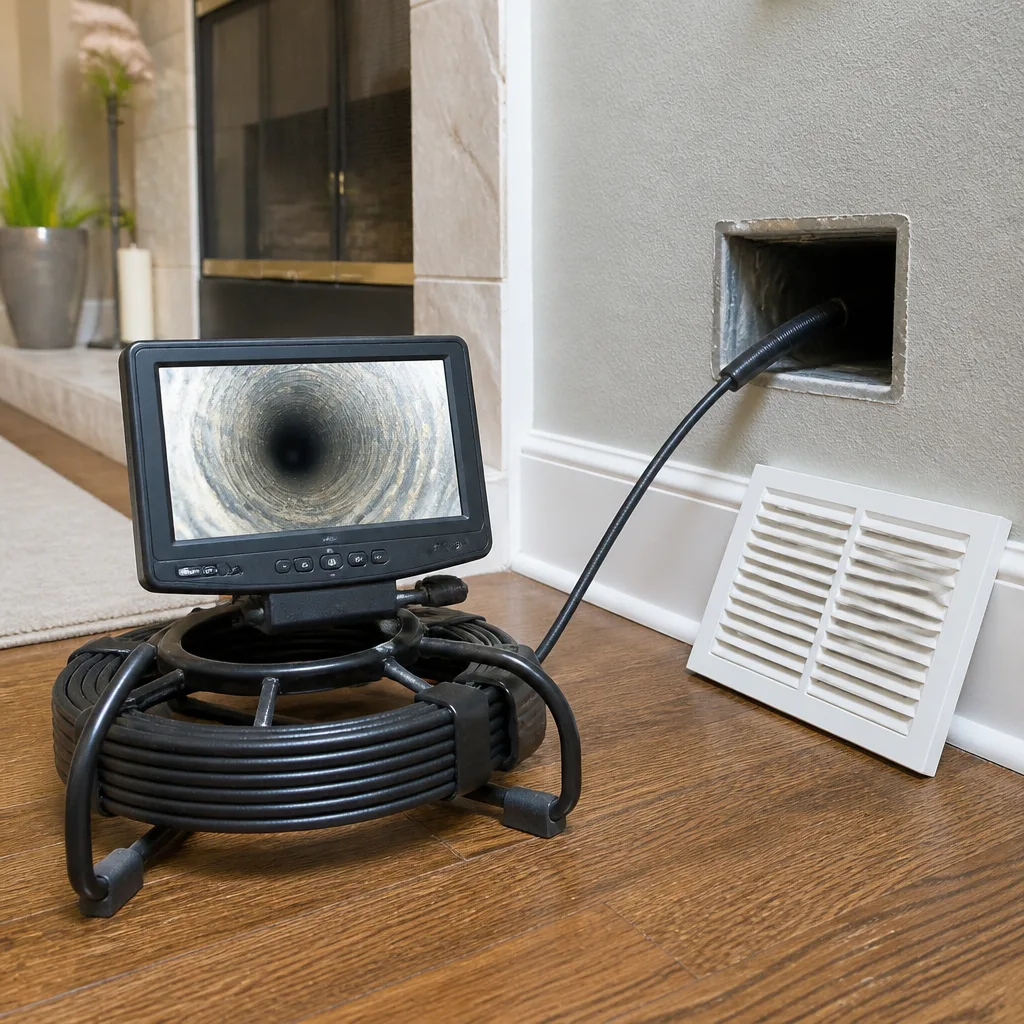 Camera inspection
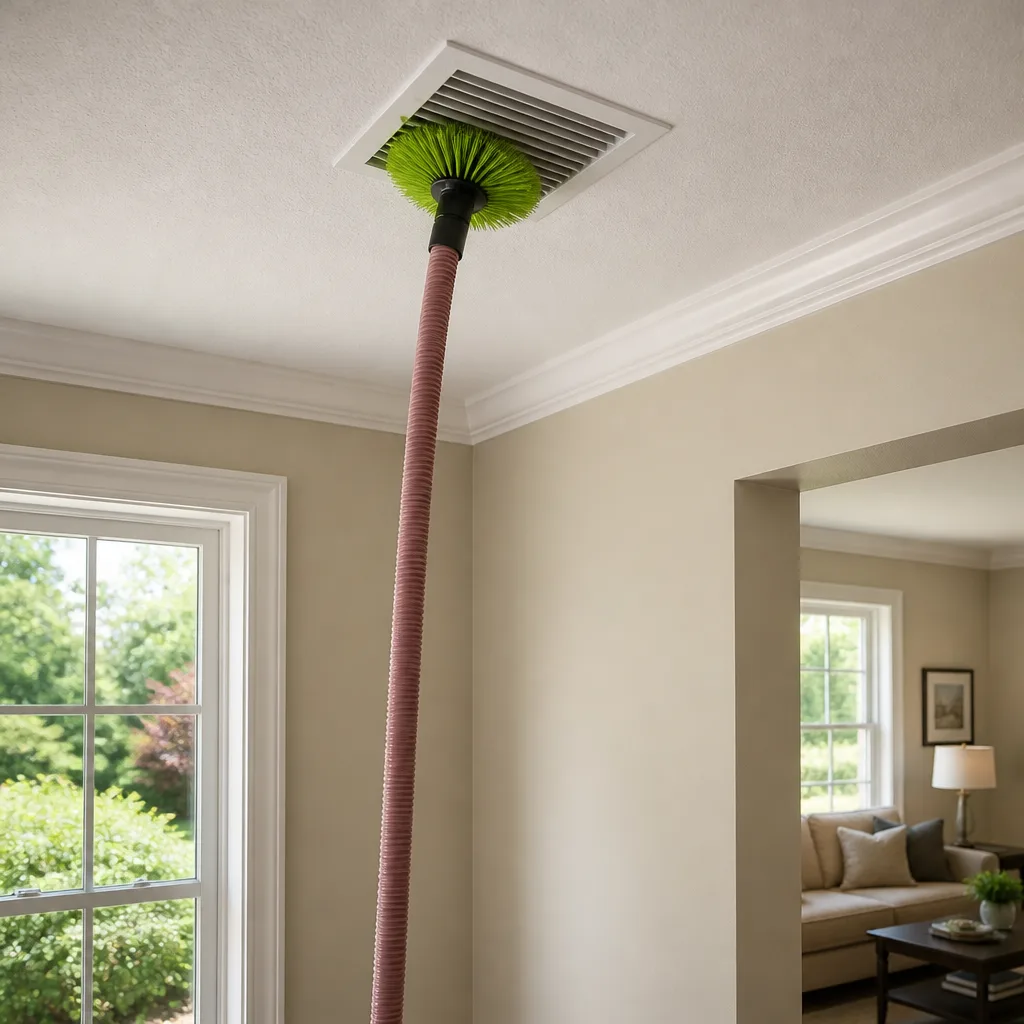 Sanitizing & deodorizing
Whole-system duct and dryer vent check with before-and-after photos - you see exactly what came out of your vents
That "$99 whole-house special" is a bait ad - the real number appears once they are in your hallway, or the "clean" is a shop-vac at the register. We photograph the inside of your ducts before and after instead.
Air Duct Cleaning Permits, Codes & Inspections in Lexington, KY: What You Need to Know
Most homeowners assume duct work is one of those jobs where nobody asks questions. Cleaning is cleaning, right? That assumption holds right up until an appointment turns into a flex duct replacement, a plenum rebuild, or a UV system wired into the air handler. At that point the work stops being maintenance and becomes regulated mechanical work, and if no permit was pulled, the paperwork trail leads right back to the homeowner who signed the estimate. That’s the part contractors rarely explain on the front end. In this guide we’ll walk through where Kentucky’s mechanical code kicks in around duct work, how to check whether a contractor is authorized to do the job they’re quoting, what “cleaning only” versus “repair” should actually look like on paper, and how to protect yourself so a future home inspection or insurance conversation doesn’t turn into a problem. It’s written from Lexington, for Lexington homeowners and property managers.
Quick Answer
Ordinary air duct cleaning in Lexington does not require a permit, because cleaning and debris removal fall outside Kentucky’s mechanical code. The line shifts the moment a contractor cuts into the duct system: installing or replacing duct runs, modifying a plenum or air handler, or wiring in a UV or filtration system generally counts as mechanical work that needs a permit from the Lexington-Fayette Urban County Government’s Division of Building Inspection. Get the work description in writing and confirm who is pulling the permit before anyone starts.
Styles & brands we work with
- Whole-home duct cleaning
- Dryer vent cleaning
- Camera inspection
- Sanitizing & deodorizing
Table of Contents
- Where cleaning stops and mechanical work begins
- Kentucky Mechanical Code and your ducts
- How to verify a contractor’s work authorization in Lexington
- Reading a contract: “cleaning” versus “mechanical work”
- What a home inspector looks for
- How unpermitted duct work complicates an insurance claim
- UV and whole-home filtration: the permit question
- When it’s scheduled work and when it’s a repair
Where Cleaning Stops and Mechanical Work Begins
The dividing line isn’t the size of the job or the price on the invoice. It’s whether the contractor alters the physical duct system or the equipment attached to it.
Cleaning keeps everything in place. A technician running contact-cleaning equipment through the existing ductwork is removing debris. The ducts, the plenum, the air handler, the connections and their dimensions all stay exactly where they were. No new material goes in, no seams come apart, no wiring changes.
Repair changes something. Once a section of duct is cut out and replaced, once a crushed run is rerouted, once a sagging flex line is swapped for hard pipe, the system has been modified. The same is true of a plenum rebuilt to change airflow, a return added to a room, or a UV purifier wired into the unit and mounted inside the supply.
The specific triggers to watch for
- Removing a section of duct liner or duct board. If the lining is torn or breaking down, pulling it out and replacing it alters the assembly.
- Replacing duct runs. Straight swap of a flex run still counts as installation.
- Modifying the plenum. Adding, cutting, or reshaping the sheet metal between the air handler and the first branch.
- Cutting new openings. Adding a return or supply in a wall or ceiling that didn’t have one.
- Installing in-duct UV or filtration hardware. These mount inside the system and draw power, which brings electrical work into a mechanical job.
- Sealing a major breach with new material. Small mastic touch-ups are routine maintenance; joining new duct sections is not.
None of that is a reason to avoid repair. It’s a reason to know which bucket your appointment falls into. A company that is quoting a repair should be able to tell you plainly whether the work needs a permit and who is applying for it. We do a lot of duct cleaning in Lexington, and one of the first conversations we have onsite is whether what we’re seeing is a cleaning problem or a structural one.
Kentucky Mechanical Code and Your Ducts
Kentucky uses a statewide mechanical code modeled on the International Mechanical Code, and local jurisdictions like Lexington-Fayette Urban County administer and enforce it. The sections that matter for duct work generally cover installation, materials, support, sealing, clearance to combustibles, and connections to appliances.
What the code is actually about
Most of the mechanical code exists to protect safety: keeping exhaust gases where they belong, keeping duct joints tight enough to preserve pressure and efficiency, and making sure duct systems are supported and clearanced properly. A duct run that’s installed with improper material, unsupported or too close to a heat source is a code problem even if it looks fine from the grille.
When cleaning-adjacent work trips it
Cleaning alone doesn’t trigger the code, because nothing is being installed. But a repair that replaces duct material, changes the duct layout, or attaches new equipment triggers the installation rules in that same code. The most common places we see this in Lexington are:
- Flex duct runs in a crawlspace or attic that have collapsed and need replacing.
- Original 1970s or 1980s duct board in older Lexington neighborhoods where the lining has broken down.
- Air handlers that were modified by a previous owner to accommodate an added room, sunroom or addition.
- Return plenums that were undersized and now need to be reworked to handle a new furnace.
What homeowners should ask
- Does this work require a permit under Kentucky’s mechanical code?
- Which permits is the contractor pulling, and who is named on them?
- Will the work be inspected, and when?
- If the answer is “no permit needed,” ask them to put that in writing with a one-line explanation of why.
For straightforward air duct cleaning, none of this applies. Cleaning and inspection don’t need a permit, and they’re the right starting point for most people who are trying to figure out whether anything is actually wrong.
How to Verify a Contractor’s Work Authorization in Lexington
Anyone doing permitted mechanical work in Lexington-Fayette County needs to hold the appropriate state contractor license and pull the permit through the Division of Building Inspection, which sits under the Lexington-Fayette Urban County Government. That is the office that will also inspect the finished work.
Step-by-step verification
- Ask for the contractor’s license number in writing before you sign. Not verbally, in the estimate.
- Call or check the Division of Building Inspection and confirm the license is active and the contractor is in good standing.
- Ask for the permit number once the job is sold. A legitimate crew should have it before work starts on anything that requires one.
- Look up the permit in the county’s records. It should show the scope of work, the address, and the contractor of record.
- Confirm the inspection step happens. Some mechanical work is inspected before it’s covered; some is inspected at rough-in or final. The inspector’s sign-off is the record that the work passed.
- Keep the permit and inspection paperwork with your home records. It’s evidence a future buyer will ask for, and it’s what an insurance adjuster will want if a claim ever extends to the duct system.
For cleaning-only work, the checks you need are lighter. Ask for the company’s state license status, ask whether their technicians are insured, and ask what equipment they’re bringing. If they’re using a shop vacuum rather than commercial contact-cleaning equipment and negative-air containment, the price should tell you something.
Reading a Contract: “Cleaning” versus “Mechanical Work”
The single most useful thing you can do before a duct appointment is ask for the scope in writing, itemized, with the word cleaning used only where cleaning is actually happening. A contract that mixes cleaning and repair into one line is a contract you can’t audit later, and it’s the one that creates headaches during a home inspection.
What a cleaning-only scope should say
- The number of supply and return runs being cleaned, with a count.
- Equipment being used (for example, Rotobrush or Nikro contact-cleaning systems, plus an Abatement Technologies air scrubber for containment).
- Before-and-after photos of your own ducts, not stock images.
- Whether the air handler, blower, and coil are being cleaned, and how.
- That no duct material, plenum modification, or electrical work is included.
What a repair scope should say
- Which sections are being replaced, in linear feet or run count.
- The material being used (flex, rigid, duct board).
- Who is pulling the permit, and the permit number once issued.
- Whether the local building department will inspect the finished work.
- Whether the repair affects anything else in the system that will now need adjusting.
These are two different products with two different walls of liability behind them. The cleaning contract protects you because it establishes the baseline condition of your ducts. The repair contract protects you because it ties the work to a permit and an inspection. A single-company setup makes this cleaner, because the same people who clean also diagnose and fix what they find. That’s part of why we offer duct cleaning and air duct repair as one call.
What a Home Inspector Looks For
When a home is sold, the inspector is going to look at the mechanical systems with fresh eyes. Ducts are a normal part of that walk-through, and the questions are usually about the same handful of things.
The inspector’s checklist, roughly
- Duct material and condition. Flex runs that are crushed, kinked, or sagging get noted. Duct board that’s deteriorated or soaked through gets noted.
- Joints and sealing. Visible gaps at connections, tape that’s failing, mastic that’s peeling.
- Plenum connections. Whether the plenum is properly attached and whether it looks modified.
- Support and clearances. Ducts resting on the ground in a crawlspace, ducts touching a heat source.
- Evidence of moisture. Staining, rust, or microbial growth in the duct runs or on the air handler.
- Paperwork. If recent mechanical work is visible, the inspector may ask for a permit or a receipt that shows who did the work.
The inspection itself isn’t the problem. The problem is when a buyer’s inspector sees a duct modification with no permit on record. That turns a straightforward close into a negotiation, and it can cost the seller time and money well beyond whatever the original repair cost. For a seller, the best move is to have cleaning and any needed repair documented before listing. For a buyer, the best move is to ask for that documentation up front. Both scenarios come back to the same thing: paper.
How Unpermitted Duct Work Complicates an Insurance Claim
Homeowners insurance typically covers sudden, accidental damage. It generally does not cover work that was done improperly, and unpermitted mechanical work is exactly the kind of thing an adjuster will flag when they’re reviewing a claim that touches the duct system or the air handler.
What the adjuster will ask
- What work was done to this system recently?
- Who did it, and were they licensed?
- Was a permit pulled?
- Was the work inspected and passed?
If the documented answer to any of those isn’t clear, the claim can be delayed, denied, or paid at a reduced amount. That’s the honest version of what happens. Nobody’s sitting at the insurance company looking for duct paperwork specifically, but once a claim involves fire, smoke spread through the duct system, water intrusion in the air handler, or a moisture problem blamed on duct failure, the trail of who modified what becomes the center of the conversation.
Situations where this comes up
- Fire or smoke claims. Smoke travels through ducts. If the duct system was modified without inspection, the adjuster will want to know whether the modification was part of the cause or the spread.
- Water damage near the air handler. A modified plenum that’s not sealed properly can be a water intrusion path.
- Mold claims. A duct repair done with the wrong material or without proper sealing can trap moisture and create the conditions for growth.
- Liability after a sale. If a buyer discovers unpermitted work after closing, the seller can end up responsible for the cost of bringing it into compliance.
The fix is simple. Pull the permit when the work requires one. Get it inspected. Keep the paper. Cleanings don’t need any of that, which is why keeping the two categories clear is the most useful thing you can do for yourself.
UV and Whole-Home Filtration: The Permit Question
Adding filtration or air purification to your system is one of the most common upsells a duct company will offer, and it’s the one where the permit conversation gets skipped the most often.
When a filtration upgrade requires a permit
- In-duct UV systems mount inside the plenum or return and draw low-voltage power from the system. That likely brings electrical and mechanical work into the job.
- Whole-home media filters installed in a filter cabinet built into the return will modify the plenum. A carton filter that slides into an existing slot generally doesn’t.
- Whole-home air purifiers that mount to the ductwork and draw power are the same conversation as UV systems.
When it doesn’t
- Replacing a standard filter with a higher-MERV filter that fits the existing slot.
- Cleaning an existing filter cabinet or purifier housing.
- Recommending filter specs or replacement intervals.
We work with Honeywell and Aprilaire product lines because they give homeowners a real path to better filtration, and we’re honest that the better path sometimes involves a permit and sometimes doesn’t. The moment a purifier is mounted into the plenum with a dedicated electrical feed, we’re talking about mechanical and electrical work, and that’s when we start pulling permits and scheduling inspections. It’s not the exciting part of the conversation. It’s the part that protects you.
When It’s Scheduled Work and When It’s a Repair
The practical question most homeowners ask is “how do I know before the technician shows up?” The answer is: you can know in advance by asking the right question on the phone.
Ask these before you book
- Is the job you’re quoting cleaning, repair, or both?
- If repair, will you pull a permit?
- Does the price include the permit fee, or is it separate?
- Does the price include the inspection step, or does that happen separately?
- What’s the cost of the cleaning-only version, so I can compare?
Cleaning is a scheduled job. It’s done with containment, with commercial contact-cleaning equipment, and with before-and-after documentation, and it does not need a permit. Repair is a scheduled job too, but one that comes with a permit, an inspection, and a paperwork trail. Both can be done in a single visit if the scope is defined on the front end, and both are safer for the homeowner when the contract clearly says which is which.
What “cleaning-adjacent” really means
When we’re inspecting a duct system during a cleaning visit, we find things that don’t need a permit but do need repair. A disconnected flex run in the attic. A crushed branch behind a wall. A return plenum that’s been taped by the previous homeowner. Those don’t need building department involvement, but they also don’t get better by cleaning around them. We show the homeowner the photos, write out what’s wrong and what the repair involves, and they decide. If the repair crosses into what the code treats as installation, we tell them a permit is part of the job before anyone signs.
For the Lexington area specifically, this is the kind of work we see most often in older neighborhoods where original duct board is still in place, and in newer construction where a flex run got pinched during installation. Different problems, same honest conversation.
Common Mistakes to Avoid
- Assuming “we don’t need a permit” applies to everything. Cleaning doesn’t. Duct replacement and plenum modification usually do. The distinction matters and it’s your responsibility to ask about it before you sign.
- Trusting a verbal scope. Get the cleaning and repair broken out separately on the estimate, with counts of runs and materials named. A verbal “we’ll clean it and see what else needs doing” is how permit conversations get skipped.
- Not asking who pulls the permit. If a contractor says they’ll “handle it,” make sure they can produce a permit number with the company on it before work starts. In Lexington, that permit lives with the Division of Building Inspection.
- Skipping the inspection step to save time. Inspection is the record that the work passed. Skipping it means you have a modification with no paperwork behind it, and that’s what a home inspector or insurance adjuster will flag.
- Installing UV or whole-home filtration without checking permit needs. In-duct purifiers are a mechanical and electrical addition to the system. A quick question about whether a permit is part of the job is worth the two minutes.
- Thinking cleaning equipment doesn’t matter. A shop vacuum is not contact cleaning. Commercial equipment from Rotobrush, Nikro, and Abatement Technologies is what actually agitates and extracts debris. Ask what’s coming to your home.
- Letting the dryer vent go. It’s a separate system with its own failure mode, and a clogged dryer vent is one of the leading causes of residential fires. It doesn’t need a permit, but it does need dryer vent cleaning when it’s overdue.
See the difference
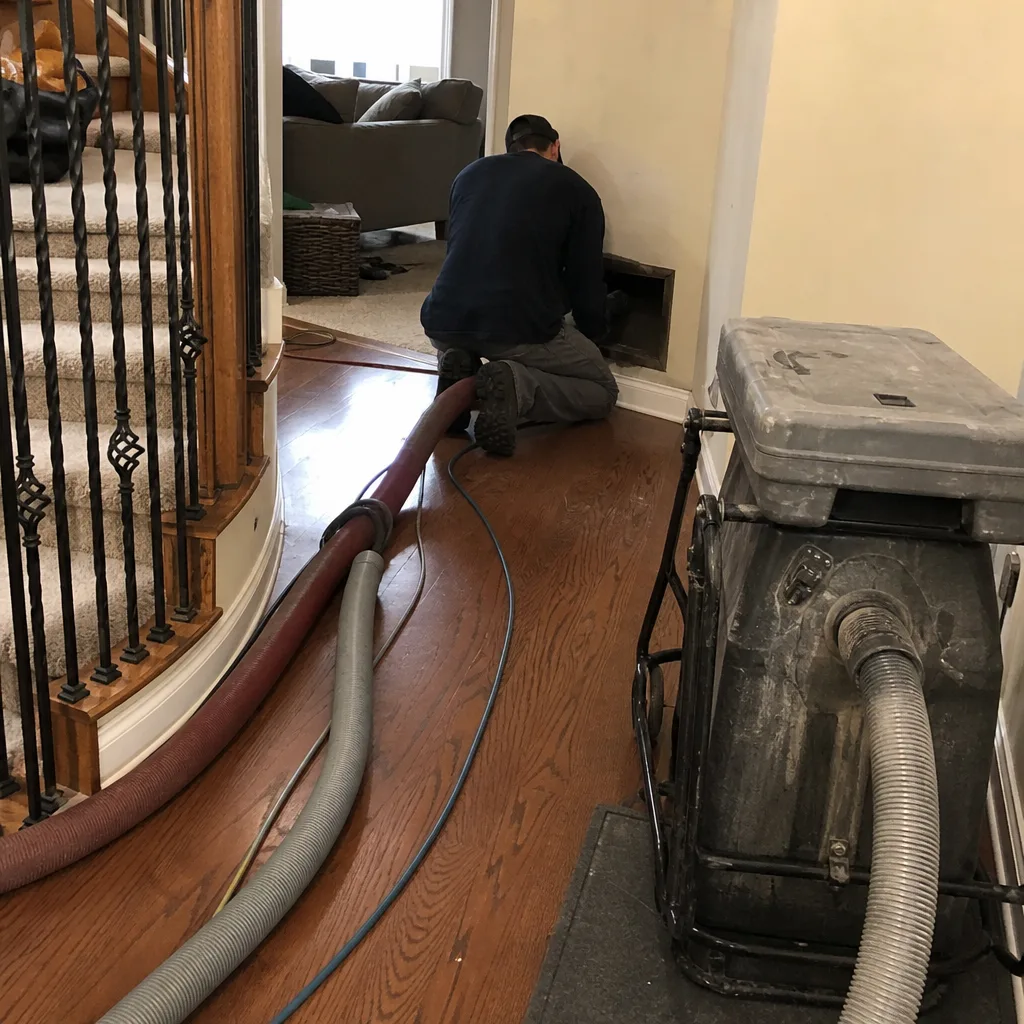 Before
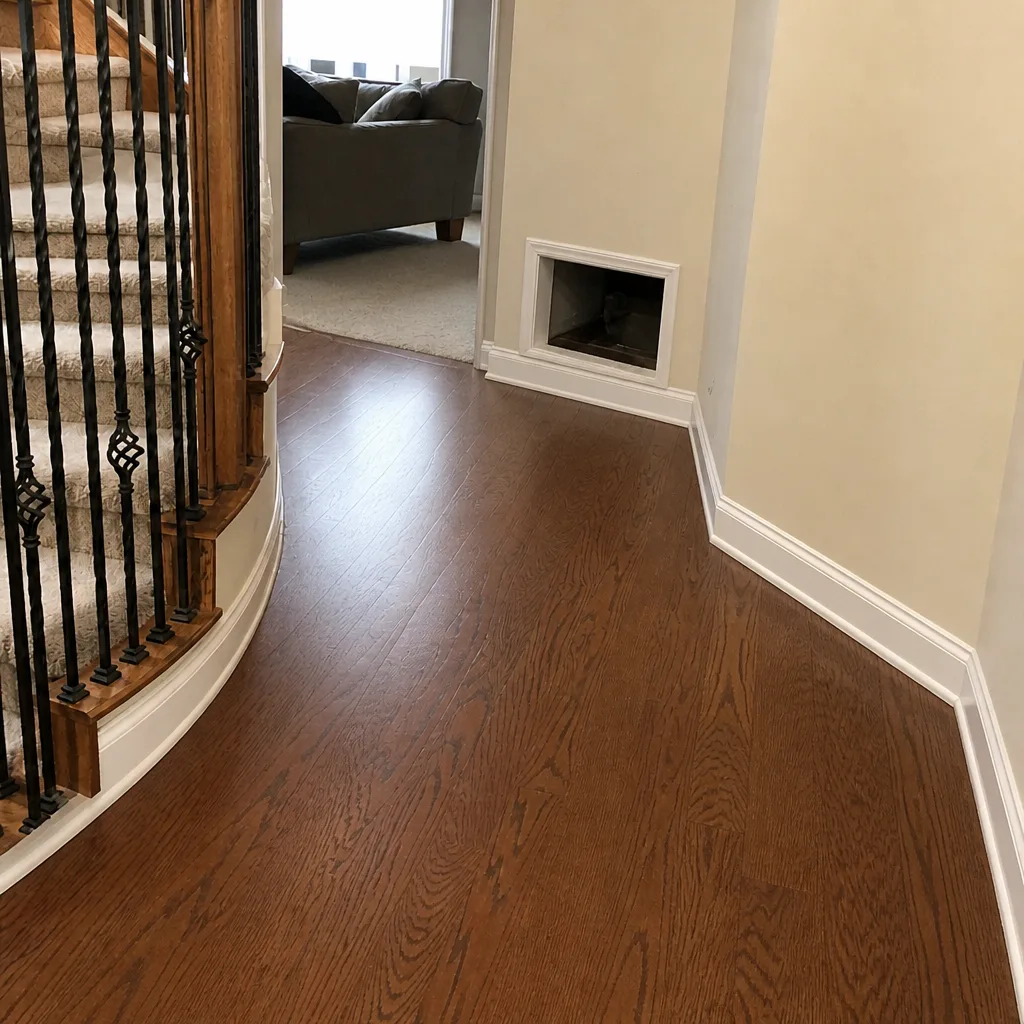 After
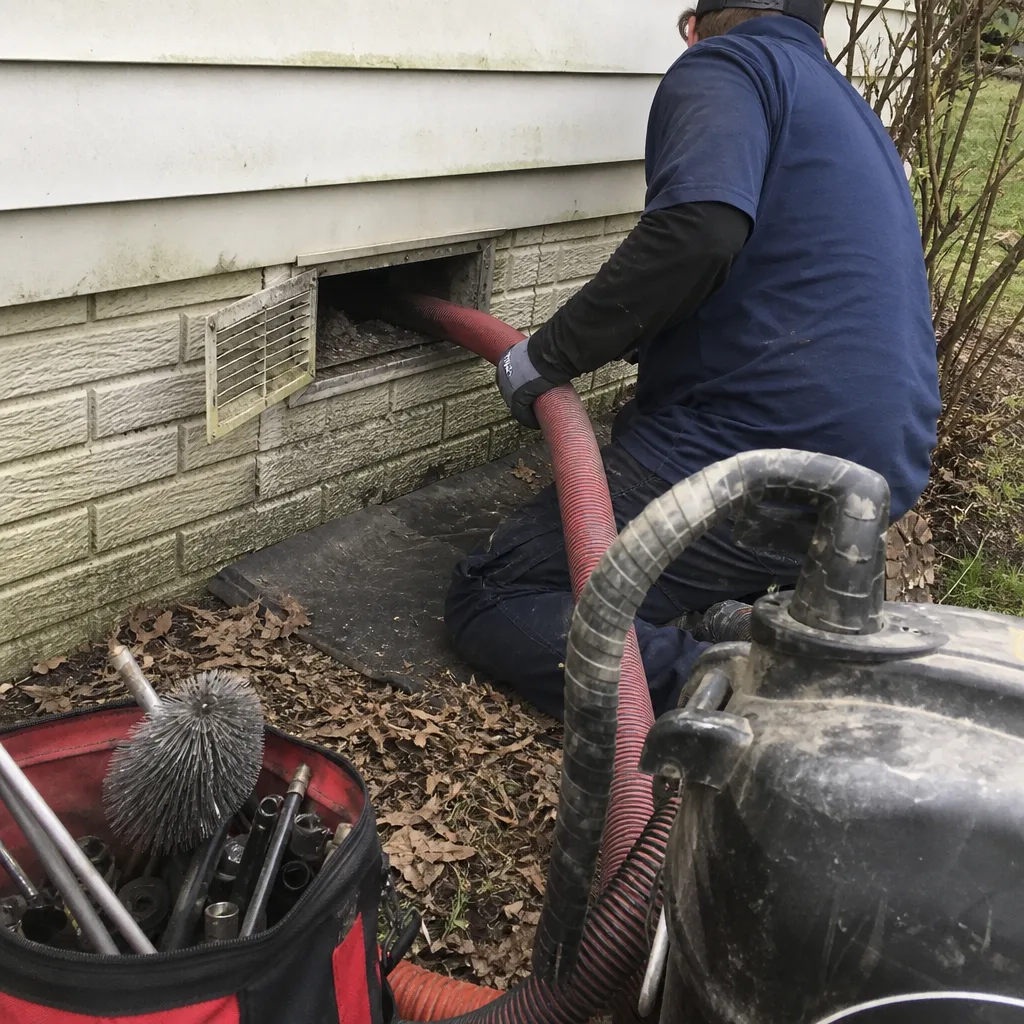 Before
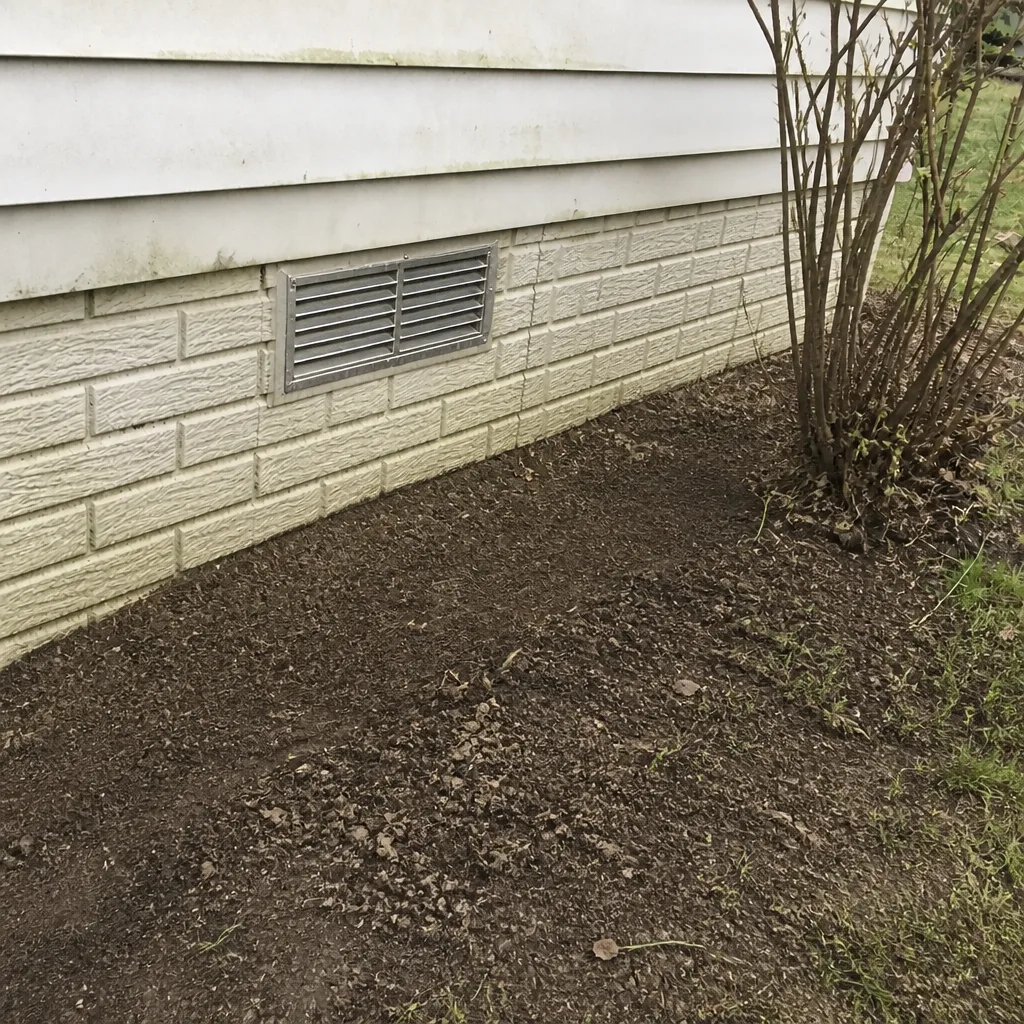 After
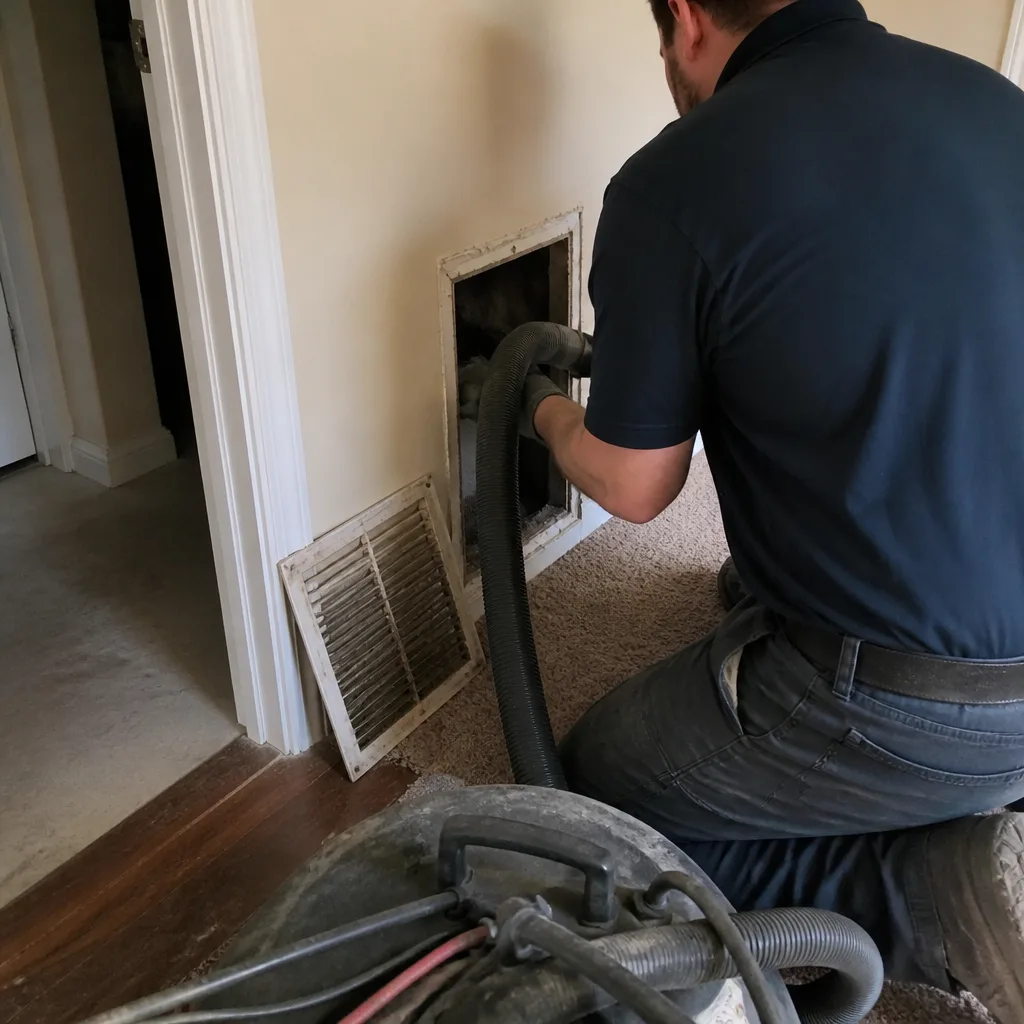 Before
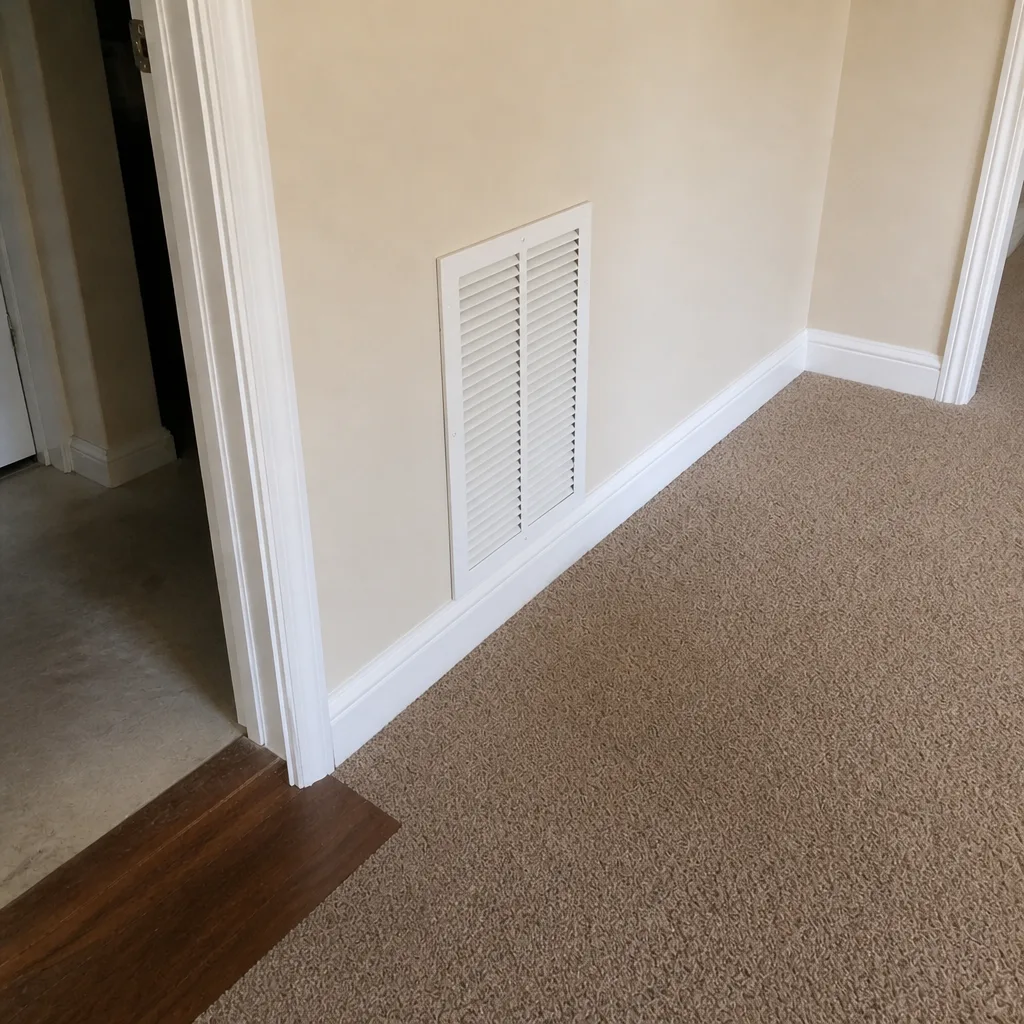 After
When to Call a Professional
Call a professional when the question isn’t “should I clean” but “what am I looking at.” That includes: visible debris blowing out of the supply registers; a musty smell that comes back after filters are changed; a duct run you can see is crushed, disconnected, or sagging in the attic or crawlspace; a recent renovation that left construction dust in the system; a dryer that takes two cycles to dry a load; and any time you’re buying or selling a Lexington home and want a documented baseline before the inspection. Our technicians have up to 8 years of experience with duct cleaning and repairs, and we bring commercial-grade equipment to residential jobs. Duct Cleaning Lexington offers free estimates in Lexington. Call (877) 331-2339. We answer 24/7. Fast dispatch from 7am to 7pm, Sunday through Friday. One flat price per system, agreed before work starts, with before-and-after photos of your own ducts.
Frequently Asked Questions
No. Cleaning alone does not require a permit because it doesn’t alter the mechanical system. The moment the job involves replacing duct material, modifying a plenum, or installing equipment like a UV purifier, it becomes mechanical work that generally does require a permit through the Lexington-Fayette Urban County Government’s Division of Building Inspection. Call (877) 331-2339 for an exact quote on your specific scope – estimates are free.
Cleaning removes debris without changing the physical duct system. Repair replaces or modifies it, which brings the state mechanical code’s installation, materials, and sealing requirements into play. If a contractor is going to cut a duct run out and replace it, that’s installation, and it usually needs a permit and an inspection. It’s the same work, two very different legal categories.
Ask for the license number in writing, then confirm it with the Division of Building Inspection before you sign. Once the job is sold, ask for the permit number and confirm it shows your address and the contractor’s name. Any legitimate company doing mechanical work in Lexington is comfortable with those questions.
It can. Insurance generally doesn’t cover work done improperly, and unpermitted mechanical work is the kind of thing an adjuster will flag when a claim involves the duct system or air handler. The safest approach is to pull the permit when one is required, keep the inspection paperwork, and have any cleaning or repair documented with before-and-after photos.
Usually yes if it’s mounted into the plenum and draws power, because it brings both mechanical and electrical work into the job. Replacing a filter with a higher-MERV version that fits the existing slot generally does not. We work with Honeywell and Aprilaire product lines and we’re straightforward about which upgrades need permits and which don’t. Call (877) 331-2339 for a free estimate on the specific upgrade you have in mind.
There’s no fixed timetable that fits every home. New construction, a recent renovation, a home with pets, a system that hasn’t been serviced in years, or a visible dust problem are the usual triggers. Many homeowners go several years between cleanings, and many never need one at all. The right answer depends on what a proper inspection finds. If it’s time, call (877) 331-2339 for a free estimate – one flat price for the whole system, not a per-vent price.
The Bottom Line
Cleaning is not regulated work. Repair is. That’s the whole distinction, and once you have it, the rest of the conversation gets simpler. Ordinary air duct cleaning in Lexington doesn’t need a permit. Replacing duct runs, modifying a plenum, or installing in-duct UV and filtration equipment generally does, and the permit comes through the Lexington-Fayette Urban County Government’s Division of Building Inspection. Ask for the scope in writing, ask who’s pulling the permit, keep the paperwork, and require before-and-after photos of your own ducts. If a future home inspection or insurance claim ever asks about the system, you’ll have the answer already in hand.
If you’re not sure whether what you’re seeing is a cleaning issue or a repair, that’s the right time to call. Call (877) 331-2339. We answer 24/7. Fast dispatch from 7am to 7pm, Sunday through Friday. Free estimates, one flat price per system agreed before work starts, and photos of what we actually found in your ducts.
Written by the team at Duct Cleaning Lexington.