
Last updated November 15, 2026
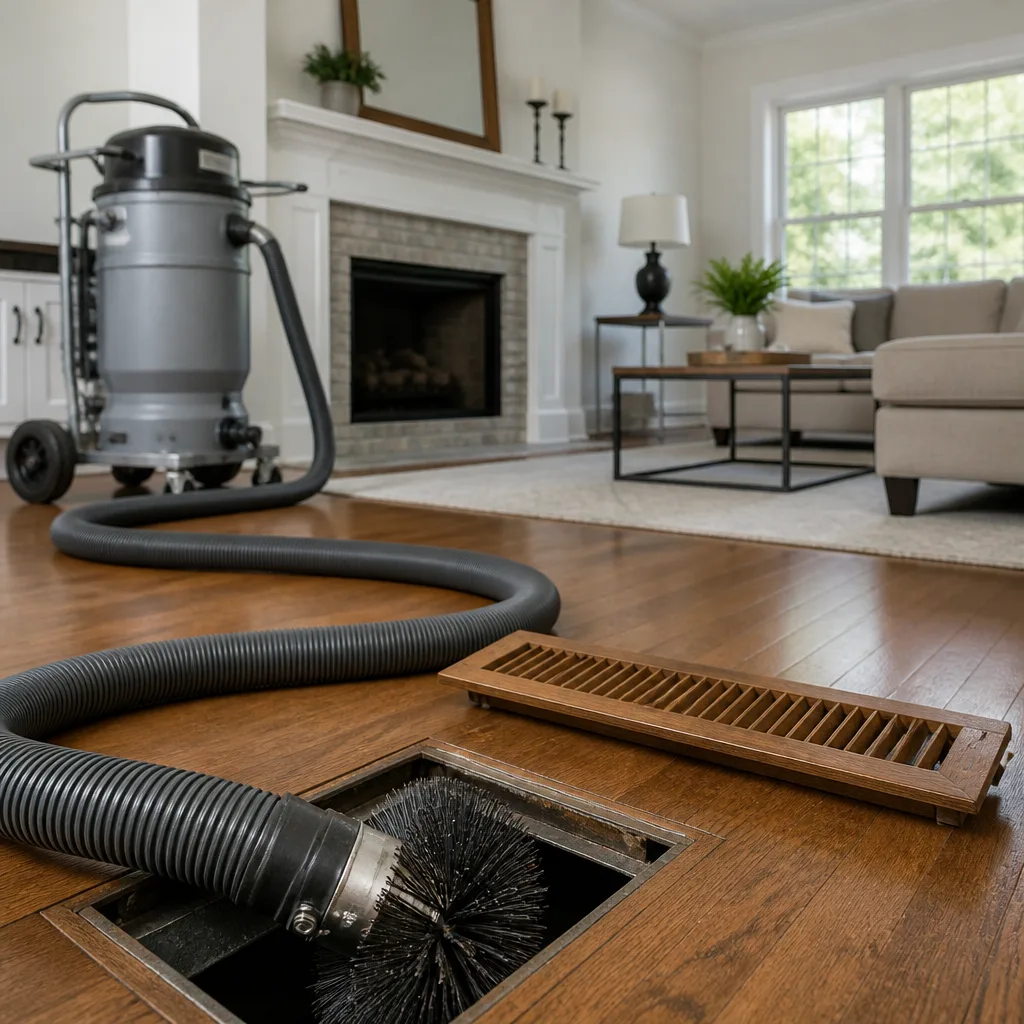 Whole-home duct cleaning
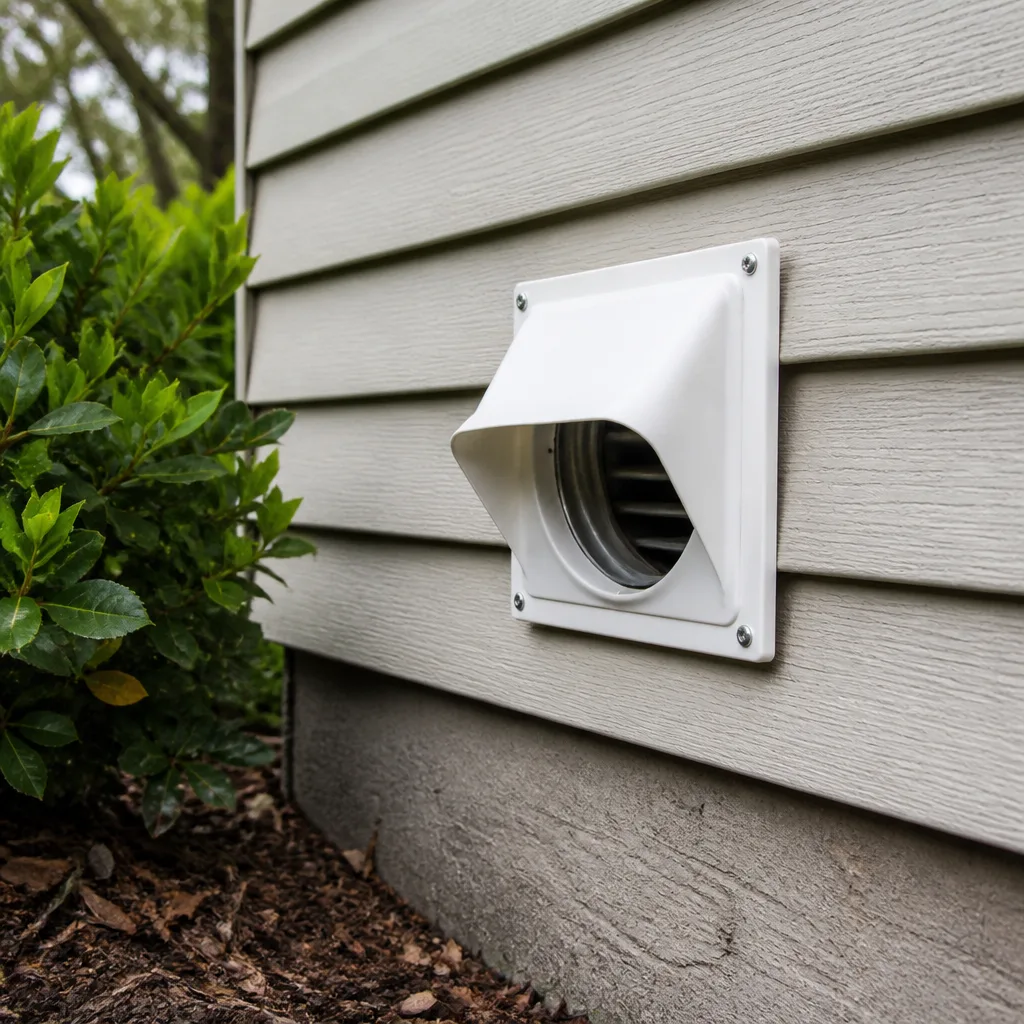 Dryer vent cleaning
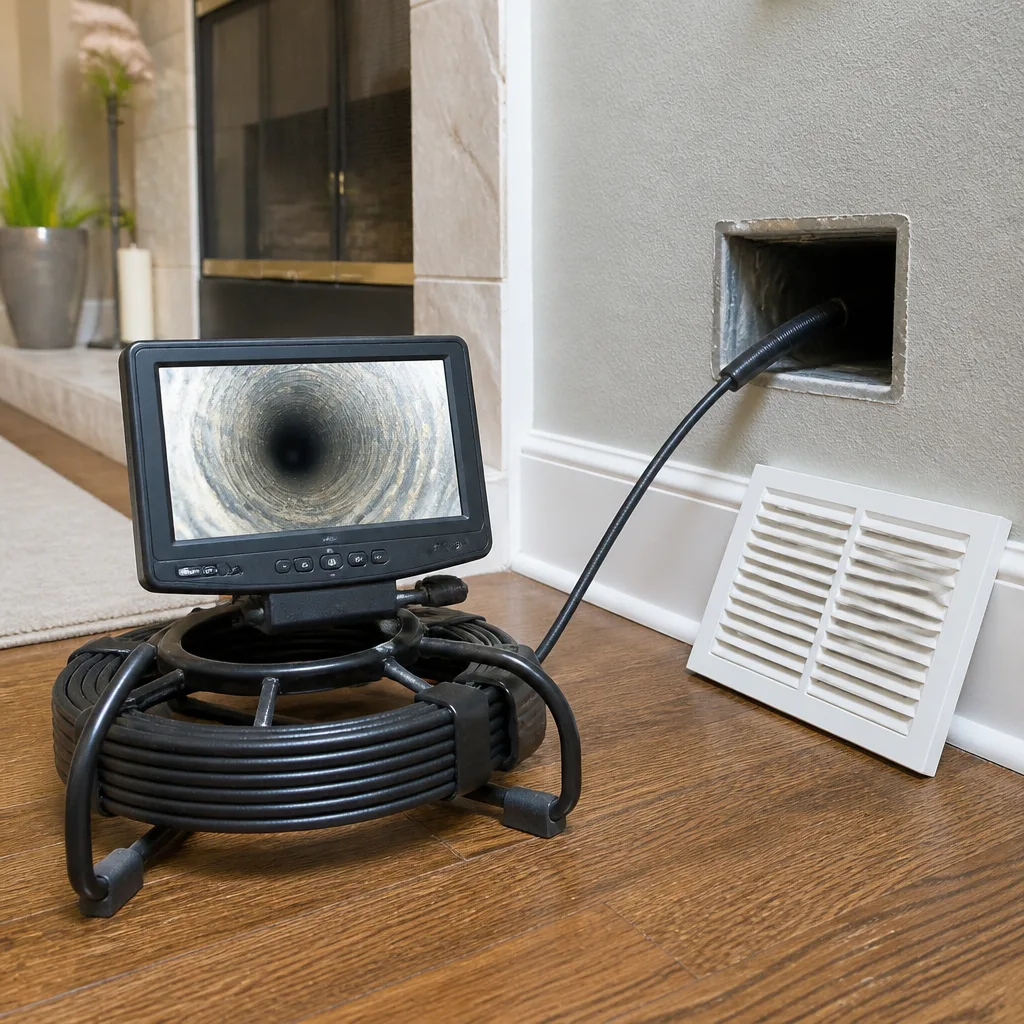 Camera inspection
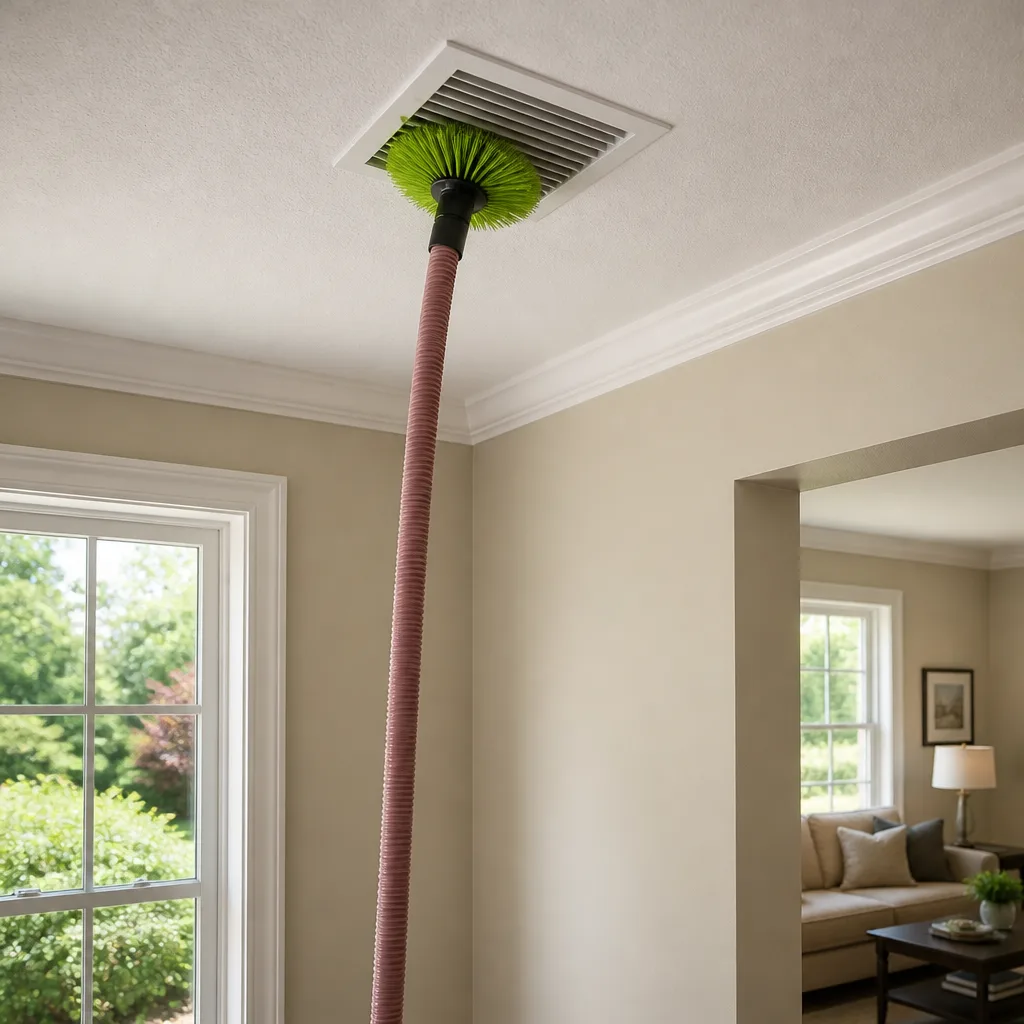 Sanitizing & deodorizing
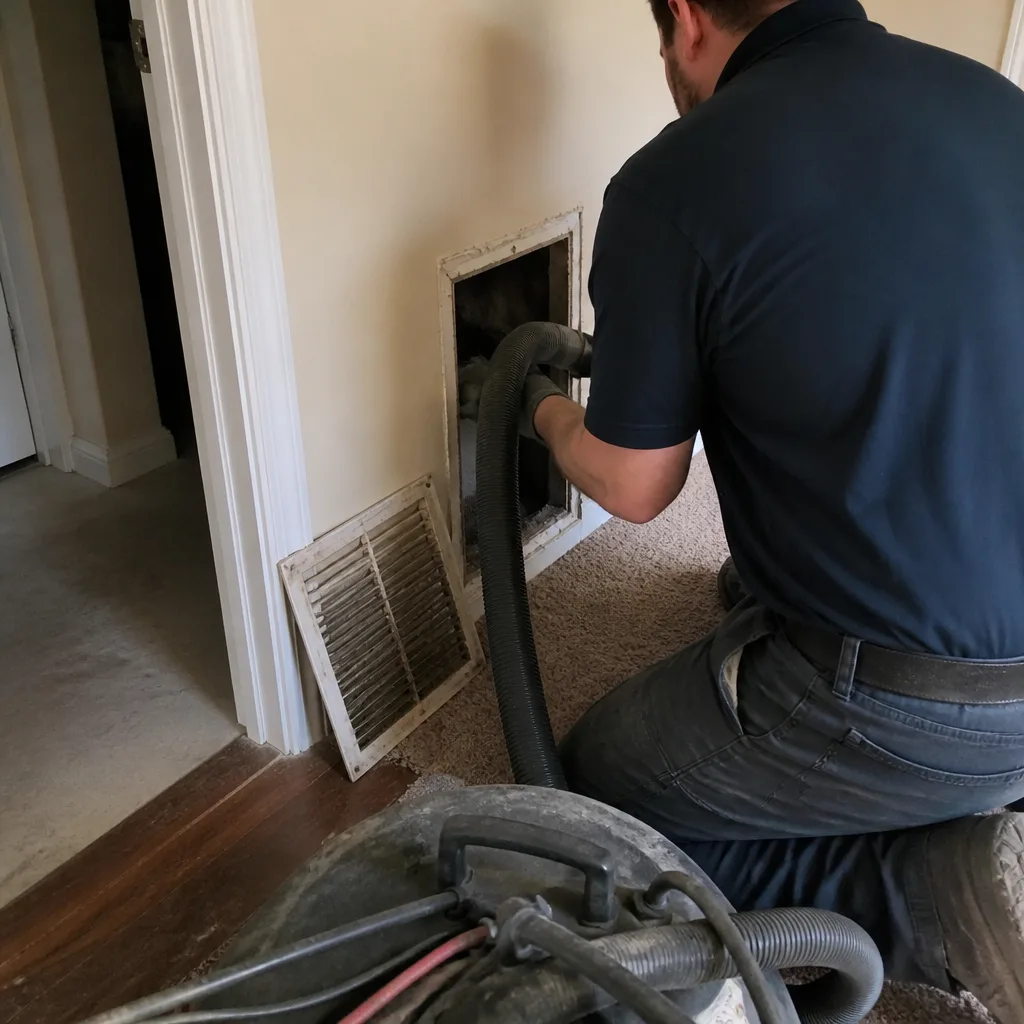
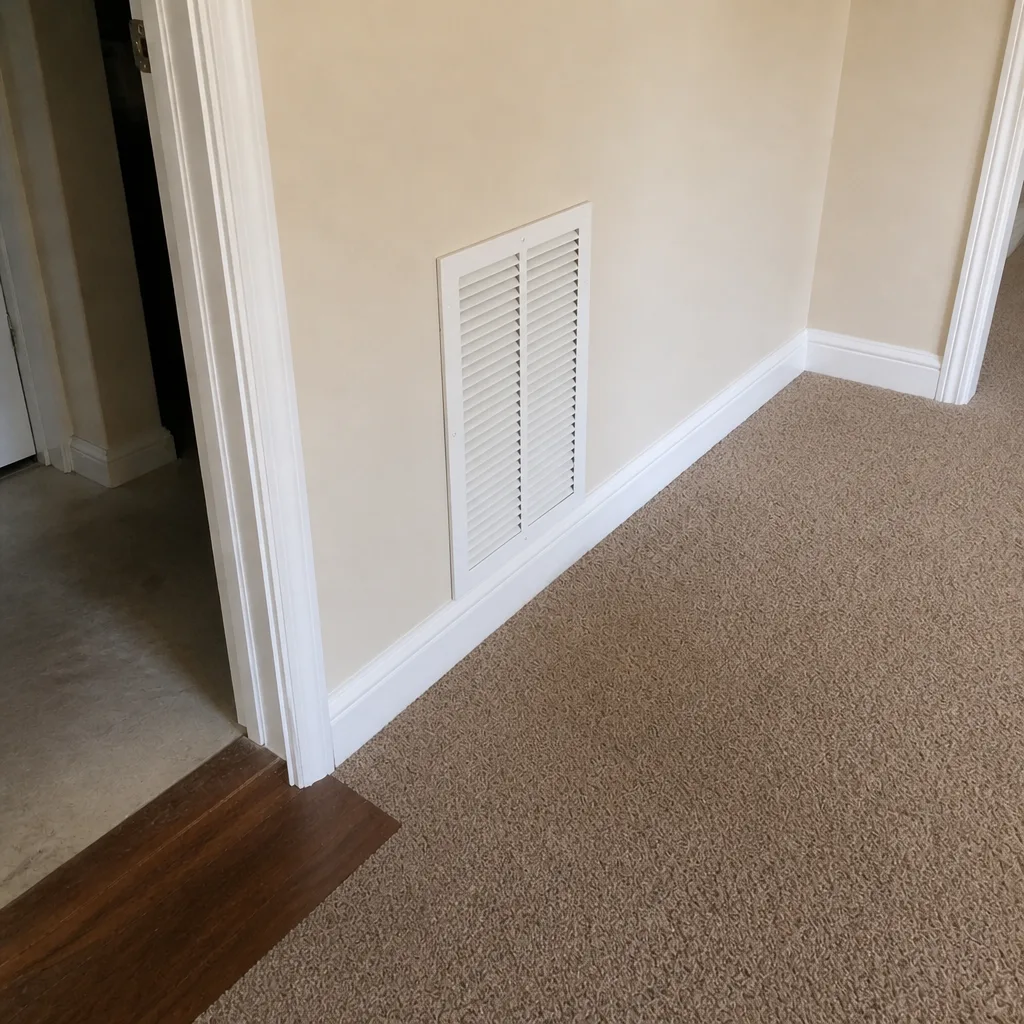
Whole-system duct and dryer vent check with before-and-after photos - you see exactly what came out of your vents
That "$99 whole-house special" is a bait ad - the real number appears once they are in your hallway, or the "clean" is a shop-vac at the register. We photograph the inside of your ducts before and after instead.
Air Duct Cleaning Emergency Preparedness Guide for Lexington Homes
After a basement flood, most Lexington homeowners address the water and the flooring. They call a remediation crew, pull wet carpet, run fans for a week. But if the air handler sits in that basement, or the return ducts run through the crawlspace that took on water, every cubic foot of flood-contaminated air that entered the system gets recirculated through the living space until the ductwork is inspected and cleaned. The water damage gets fixed. The air quality problem quietly stays. This guide covers what to do with your HVAC and duct system before, during, and after the emergencies most likely to affect central Kentucky homes: tornado and severe storm events, basement and crawlspace flooding, regional wildfire smoke, and post-fire restoration. You’ll learn the shutdown decisions, the inspection priorities, and the documentation that insurance adjusters actually want to see.
Styles & brands we work with
- Whole-home duct cleaning
- Dryer vent cleaning
- Camera inspection
- Sanitizing & deodorizing
Quick Answer
Air duct cleaning after a flood, fire, or smoke event is a contamination-control job, not a maintenance task, and it should happen after the water source is stopped and structural drying is underway but before you resume normal HVAC operation. In Lexington, the emergencies that most often contaminate duct systems are basement and crawlspace flooding, tornado and storm debris intrusion through exterior vents, regional wildfire smoke, and house fires. The right response depends on which of those you’re facing, so the sections below walk through each one, with the shutdown protocols and inspection priorities that actually protect the air your family breathes.
Table of Contents
- Why Most Emergency Plans Miss the Duct System
- Tornado and Severe Storm Protocol: When to Shut Down Your HVAC
- Post-Flood Duct Inspection Priorities for Lexington Basements and Crawlspaces
- Wildfire Smoke and Regional Air Quality Events
- Post-Fire Restoration: Why Soot Needs Different Protocols
- How to Document Duct Contamination for an Insurance Claim
- Building Your Duct System Emergency Kit
- Common Mistakes to Avoid
- When to Call a Professional
- Frequently Asked Questions
- The Bottom Line
Why Most Emergency Plans Miss the Duct System
When people put together a household emergency plan, they think about water, food, documents, medication, a meeting place. The HVAC system rarely makes the list. It should. Ductwork is the only part of your house that touches every room simultaneously, moving hundreds of cubic feet of air per minute through spaces you can’t see. In a contamination event, that same network that normally distributes filtered air becomes a distribution system for whatever got into it.
In Lexington, this gap shows up most clearly after basement flooding. Much of the area’s older housing stock has the air handler downstairs, and return ducts that drop into crawlspaces or run low along basement ceilings. A short-duration water event, a sump failure, a failed washing machine hose, a heavy storm-pattern rainfall that overwhelms a foundation drain, can put inches of water into those spaces. Homeowners dry the visible surfaces, replace the pad under the carpet, and turn the system back on. The insulation lining the inside of the return plenum is still damp. That’s a problem.
The reason the duct system gets overlooked is simple: it’s invisible. You can see standing water. You can’t see moisture trapped inside duct liner or settled debris in a horizontal run. But the building science is straightforward. Wet organic material, especially fiberglass duct liner and accumulated dust, supports mold growth within days, and the HVAC system then broadcasts spores through the same supply registers your family sits next to. This guide is meant to close that gap in your emergency planning.
We’re Duct Cleaning Lexington, and our work is almost entirely about what happens inside the parts of your house you don’t see. Our technicians have up to 8 years of experience with residential duct systems in central Kentucky homes, and we’ve learned that the emergencies that damage homes here follow recognizable patterns. The sections below break those down one at a time.
Tornado and Severe Storm Protocol: When to Shut Down Your HVAC
Shut down your HVAC system immediately after a tornado or severe wind event if you suspect debris intrusion, foundation damage, or a compromised roof. The system pulls air from inside the house, including from a damaged attic or crawlspace, and distributes it through every supply register. Running it after structural damage can circulate fiberglass, insulation particles, and roofing debris through the entire living space.
Here’s a sequence we’d recommend for a Lexington homeowner after a severe storm:
- Turn the system off at the thermostat and at the breaker. The thermostat setting alone isn’t enough because some systems run blower-only cycles or respond to humidity. Kill power at the panel.
- Walk the exterior and look for vent damage. Exterior intake and exhaust vents, dryer vents, and fresh-air intakes are the first places wind-driven debris enters. Look for missing hoods, bent louvers, and debris visibly packed against or inside the vent opening.
- Check the air handler cabinet and filter slot. If anything other than filter material is visible inside the cabinet or in the filter slot, leave the system off.
- Look in the basement and crawlspace. Debris in a return duct or a return plenum is easier to see at floor level than it is at the register.
- Have the system inspected before you restart it. An HVAC technician or duct professional should confirm the ductwork is intact and free of debris before the blower comes back on.
What debris intrusion typically looks like after a storm in Lexington: insulation fragments pushed into supply registers, grit and roofing granules at the bottom of the air handler cabinet, visible daylight or a disconnected joint in flex duct in the attic, and in severe cases a section of flex duct pulled loose entirely from a boot or plenum. If you see any of these, the next step is a duct inspection, not a filter change. Filters capture particles. They don’t remove debris that’s already inside the system.
Post-Flood Duct Inspection Priorities for Lexington Basements and Crawlspaces
After a flood, the first priority for your duct system is to determine whether water actually entered the ducts, the return plenum, or the air handler cabinet. If the air handler sat in water, the inspection starts there. If water stopped below the cabinet but soaked the return ducts that run through the crawlspace or along the basement floor, those ducts are the priority. If only the basement floor got wet and the ductwork is suspended above the water line, duct cleaning may wait until after structural drying.
What can be cleaned versus what must be replaced depends on the duct material and how long it was wet. In general:
- Sheet metal ductwork that was wet can usually be cleaned and dried after the water is removed, assuming the interior surfaces can be reached and dried.
- Fiberglass duct board and internally lined metal duct are the tricky case. Wet fiberglass liner cannot be dried reliably and is a standard replace recommendation in the restoration industry.
- Flex duct that took on water is typically replaced, not cleaned. The inner liner traps moisture and debris and can’t be cleaned effectively.
- The air handler cabinet should be dried and inspected for corrosion and biological growth. In most cases, a technician needs to open it to check.
- Supply boots that took on water need to be dried and cleaned from the register side.
Crawlspace duct systems are the hardest part of post-flood work in Lexington, because crawlspace humidity levels stay elevated after a flood even after the standing water is gone. If the crawlspace has a moisture barrier, check that it survived intact. If it didn’t, restoring it is part of the drying plan. That’s the underlying education behind professional air duct cleaning: it isn’t about a once-every-few-years scrub. It’s about returning the system to a known-clean state after a documented contamination event.
If your ducts were contaminated by floodwater, they’re classed as contaminated porous materials in the restoration industry. That’s a different situation than typical dust buildup, and it calls for extraction with negative-air containment, not just a shop vac and a hose. Our equipment lineup uses Rotobrush contact cleaning for agitating and removing material from duct walls, Nikro extraction for the fine dust that contact cleaning loosens, and Abatement Technologies air scrubbing equipment for containment-grade air quality control during the job. The work is done with the same discipline commercial and restoration settings expect.
Wildfire Smoke and Regional Air Quality Events
During a regional wildfire smoke event, the HVAC decision is usually about MERV rating, runtime, and whether to shut the system off entirely. Smoke events in central Kentucky often come from fires hundreds or thousands of miles away, carried in on upper-level winds. During those events, the air outside can be worse than the air inside, and the HVAC system becomes both a filtration opportunity and a contamination risk depending on what’s inside it.
The essentials for a smoke event:
- Upgrade your filter, but stay within your system’s limits. A higher-MERV filter catches more fine particles, but too high a restriction can stress the blower. Most residential systems support a MERV 8 to MERV 13 filter; check your system’s documentation before moving up a step. If you aren’t sure what your system was designed for, a technician can confirm it.
- Change a dirty filter before the smoke event arrives, not during it. A filter loaded with dust has less surface left for smoke particles, and pulling it out during a smoke event sends the trapped particulate back into the air.
- Run the fan continuously if the filter is fresh and the system is tight. Continuous fan on low speed with a clean filter is the best passive way to reduce indoor particulate during a smoke event.
- Shut the system off if you smell smoke from the supply registers. Smoke odor at a supply register means smoke is getting into the return path from outside or from a leak in the envelope, and running the system is pulling more of it in. That’s a service call, not a filter change.
- Close windows and doors, and set the system to recirculation if your thermostat has that mode. Fresh-air intake on a typical Lexington residential system is limited, but if yours has one, close it during a smoke event.
If you want permanent help beyond a filter change, whole-home filtration products from Honeywell and Aprilaire can be added to a residential system during a service visit, and we recommend specific upgrades based on what we observe during a cleaning. That’s the “your whole system, not just the vents” approach: addressing the supply and return side together, not bolting a gadget onto the air handler and calling it done.
Post-Fire Restoration: Why Soot Needs Different Protocols
After a house fire, duct cleaning is a distinct service from standard maintenance cleaning because soot particles behave differently than ordinary dust and debris. Soot is fine, oil-based, and adhesive. It attaches to duct surfaces electrostatically and chemically, and it carries odor compounds that return if the soot isn’t physically removed. Suction alone doesn’t get it. Contact cleaning with a mechanical agitation tool is what removes soot from a duct wall; extraction tools then pull the loosened material out under negative pressure.
The post-fire sequence for a Lexington home is usually:
- Structural fire damage is addressed first. Duct cleaning happens after the fire department has cleared the home and structural remediation is underway. Cleaning ducts before the building is dry is a waste of money, because ongoing smoke residue from the structure will recontaminate them.
- All ductwork is inspected for soot and smoke entry. Soot travels through returns, travels through gaps in duct joints, and can enter through any negative-pressure path. The inspection follows where the smoke went, not just where the fire was.
- The cleaning uses contact methods, not just suction. Rotobrush contact cleaning is the standard for this, and the debris pulled out goes to a HEPA-filtered vacuum source. Negative-air containment equipment, like Abatement Technologies air scrubbers, is used on-site so the cleaning doesn’t push soot back into the living space.
- Filters and any porous components are replaced. The air filter goes, and any wet or soot-saturated fiberglass liner goes with it.
- The system is aired out, then verified before normal operation resumes. A trained technician or duct professional should confirm that odor isn’t returning from the supply registers before the family moves back in.
Whole-home filtration is commonly recommended after a fire because the filter upstream of the air handler is your last line of defense against residual soot and odor compounds. Honeywell and Aprilaire media cabinets and purifiers can be added during the restoration to give the system a better chance of keeping residual odor down once normal operation resumes. Dryer vents deserve a mention too, because a fire restoration crew often finds a lint-clogged dryer vent that didn’t cause the fire but was the next hazard waiting.
If you need to arrange a cleaning after a fire, our dryer vent cleaning service is separate from the duct work and worth scheduling in the same visit. One call covers both, plus any duct repair the inspection turns up.
How to Document Duct Contamination for an Insurance Claim
Insurance adjusters need documentation that connects the damage to a covered event, not just a general statement that the ducts are dirty. What they want is a clear, chronological record: photos before the loss, photos immediately after, photos at the time of inspection, a written report from the contractor describing what was observed, and a scope of work that justifies the recommended treatment. Duct cleaning is usually a legitimate covered cost when it’s directly caused by a covered peril, like water, fire, or wind. It’s not typically covered as routine maintenance.
The photo set that gets adjusters to approve the work usually includes:
- Wide shots of the affected area before any cleanup starts, showing the water line or soot deposition relative to the ductwork and air handler.
- Close-ups of the register faces and the return grilles, with a ruler or coin for scale.
- Interior shots of the duct taken during the inspection (technicians use a camera or open sections of duct and photograph what’s inside).
- Photos of any filter that caught contaminated material, with the filter shown in place before removal.
- Photos of the air handler cabinet interior, dry or wet as found.
- Any moisture readings, if a restoration crew has been on site. Moisture content in framing and duct insulation is what tells the adjuster how long the material was wet.
The written report we provide after an inspection typically lists what was found, where it was found, photos tied to the locations, and a scope of treatment that separates cleaning from repair from replacement. If your claim requires a written report on duct status in a Lexington home, we can prepare one during an inspection. This is the paperwork side of Lexington air quality work that most homeowners don’t expect to need until they’re in the middle of it.
Building Your Duct System Emergency Kit
You don’t need a shelf full of gear, but a small kit makes a real difference when the power’s out and the water’s rising. Building it before the event saves the scrambling. Here’s what we suggest Lexington homeowners keep available:
- A written shutdown procedure. One page, taped inside the air handler closet, listing the breaker switch, the thermostat-off step, and the phone number to call once the water is out.
- Several spare filters of the correct size. Know the size, not just the brand. A filter you can swap in after a smoke or debris event gets the system running safely while you wait for an inspection.
- A flashlight and a digital camera or phone. Photos taken in the moment are what claims get built from. Date stamps help.
- A moisture meter (optional, but useful). For under $50, a basic pin meter tells you whether the duct insulation and framing are dry, not just whether they look dry.
- A cheap hygrometer for the basement. Elevated relative humidity after a flood is the early warning sign that duct liner is holding moisture.
- The contact numbers for your HVAC technician, a restoration crew, and a duct cleaning company. Add ours to the list: (877) 331-2339.
Keep the kit in the same place the water heater manual is kept, or in a kitchen drawer that doesn’t flood. The point is that the procedure and the numbers are visible and accessible, not in an email folder you can’t reach without power.
Common Mistakes to Avoid
- Turning the HVAC back on before the ducts are inspected. The system is a distribution network. Once it runs, whatever’s inside the ducts is in the living space. If you’re not sure, leave it off until someone confirms.
- Treating post-flood duct work like routine cleaning. Flood-contaminated ducts need contact cleaning and containment, not a single pass with a shop vac. A standard maintenance cleaning on a flooded system will miss the trapped moisture and organic material.
- Running a higher-MERV filter on a system that wasn’t designed for it. Higher filtration is good, but a filter that’s too restrictive for the blower can reduce airflow, cause coil freeze-up, and shorten equipment life. Match the filter to the system.
- Not documenting before cleanup starts. The photos and readings you take before the water is pumped out are worth more to an adjuster than anything taken afterward. Take them first.
- Assuming a smoke event is a filter problem. If you smell smoke at the supply registers, the filter isn’t the issue. Smoke is entering the return path or the envelope, and that’s a service call.
- Cleaning ducts in a fire-damaged home before the structure is dry. Ongoing smoke residue from the framing will recontaminate the ducts if they’re cleaned too early. The sequencing matters.
- Forgetting the dryer vent in a flood or fire event. A wet or soot-laden dryer vent is a fire hazard and a moisture problem at the same time. It belongs on the same inspection list as the duct work.
When to Call a Professional
Call a professional after any of the following: water at or above the level of the air handler, water in the return ducts or crawlspace ductwork, visible debris packed into a supply register or filter slot, smoke odor at a supply register during or after a smoke event, a fire anywhere in the home, or a severe storm that damaged the roof or exterior vents. Also call if you’re handed a restoration report by your water mitigation crew and it recommends duct inspection, but you don’t have a duct provider on the list. A written estimate from a duct professional is worth doing before you file your claim because it gives the adjuster a documented scope of work. Duct Cleaning Lexington offers free estimates in Lexington and can prepare a written inspection report for insurance purposes. Call (877) 331-2339 and we’ll schedule an inspection, take photos, and give you a written scope with photos attached.
Frequently Asked Questions
Yes, if water reached the air handler, return ducts, or crawlspace ductwork. Floodwater is classed as contaminated water, and any porous material it reaches inside the HVAC system needs inspection and likely replacement or cleaning. If water stayed below the ductwork and the ducts are suspended above the water line, you may be able to wait until structural drying is complete and then have an inspection confirm the outcome. A written estimate from a duct professional is the safest way to know which situation you’re in.
Look at the air handler cabinet, filter slot, and the floor of the air handler closet for grit, insulation fragments, or roofing granules. Then check the exterior vents, dryer vent, and any flex duct in the attic for visible separation or debris. If anything turns up, have the system inspected before you turn it back on. Estimating the extent of contamination from the outside isn’t reliable, because the distribution can extend far past the point where debris is visible.
The low quotes are usually for a single-pass cleaning with basic suction equipment, not for the contact cleaning and containment work a flooded or smoke-damaged system needs. After a contamination event, the work includes inspection, negative-air setup, contact cleaning of duct surfaces, extraction of loosened debris, and often repair or replacement of damaged sections. If a quote doesn’t mention the equipment or the containment, ask what’s included before you agree to it. Call (877) 331-2339 for an exact quote on a Lexington home, estimates are free.
No. Running the system after a fire distributes soot and odor compounds through the entire home and recontaminates any surfaces the restoration crew has already cleaned. Leave the system off, have the ductwork inspected, and clean it with contact tools after the structure is dry. The order matters, and getting it wrong means repeating the fire restoration work.
Most residential systems benefit from a cleaning every few years, and sooner in a home with pets, recent renovation, or a family member with allergies. The bigger driver in central Kentucky is not a fixed interval but the events: any flood, fire, or smoke event is a reset. If you’re due for a scheduled cleaning and haven’t had an emergency, we can take a look at what’s actually inside the system before recommending a full cleaning. Call (877) 331-2339 and we’ll give you an honest read on what the ducts need.
Inspection comes first, and it usually turns up one of three things: the ducts are intact and need cleaning only, a joint or section has separated and needs repair, or a section of flex duct was water-damaged and needs replacement. We handle all three, and we use contact cleaning equipment from Rotobrush and Nikro for the cleaning stage, plus Guardsman and Aprilaire products where whole-home filtration upgrades make sense. If your ducts are damaged, we can repair them; if they’re contaminated but intact, we clean them. One call covers both. Call (877) 331-2339 to schedule.
The Bottom Line
Emergency preparedness for a Lexington home has to include the duct system, because that’s the system that distributes whatever gets inside it to every room in the house. If you remember five things from this guide: shut the HVAC off after a storm or flood before you know the ducts are intact; inspect the air handler, filter slot, and crawlspace ductwork after any water intrusion; upgrade your filter carefully and stay within your system’s limits during smoke events; don’t run the HVAC after a fire, clean it with contact tools after the structure is dry; and document everything with photos and a written report before cleanup begins. Duct cleaning after an emergency is a different job from routine cleaning, and treating it that way is what keeps your home’s air safe once the visible emergency is over.
If you’re past the emergency and want to know what state your ducts are in, call Duct Cleaning Lexington at (877) 331-2339 for a free estimate. We answer 24/7. Fast dispatch from 7am to 7pm, Sunday through Friday. We clean it, and if it’s broken, we fix it.
Written by the team at Duct Cleaning Lexington.
See the difference
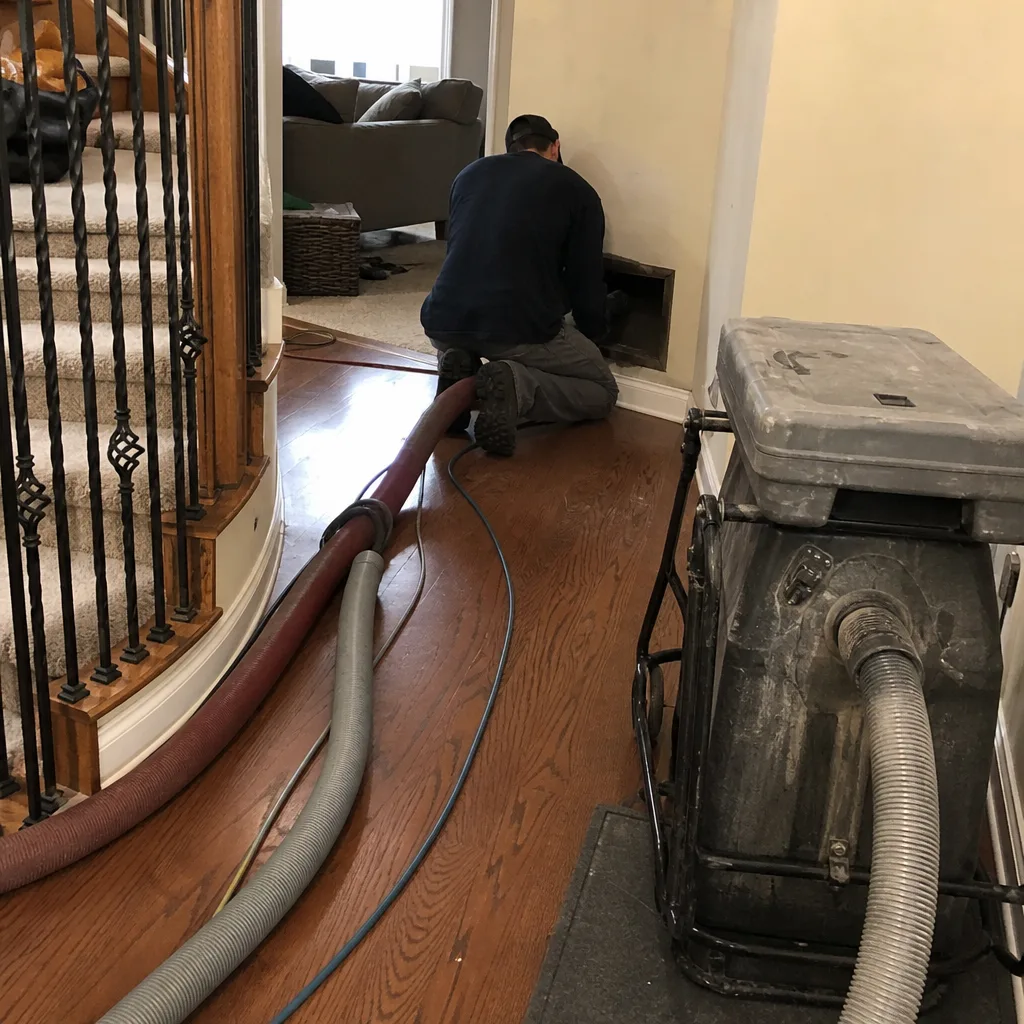 Before
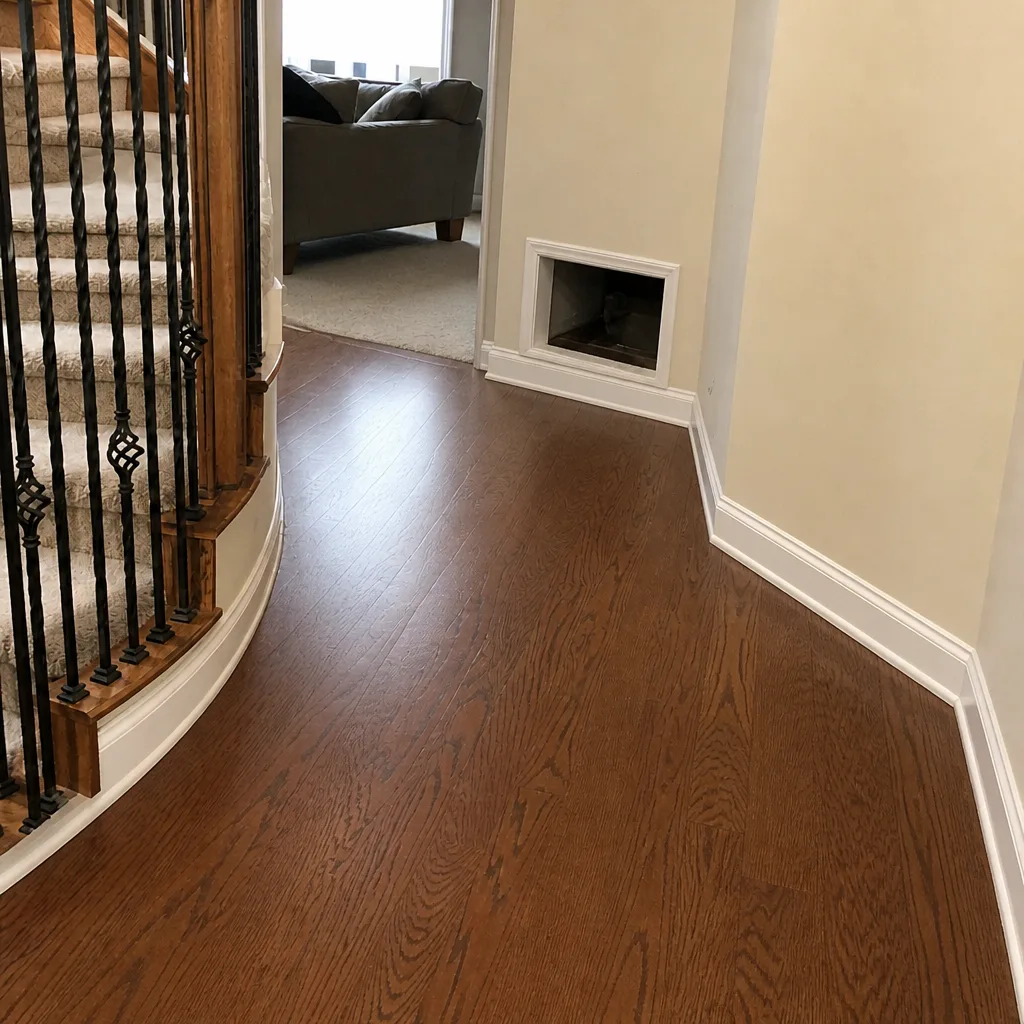 After
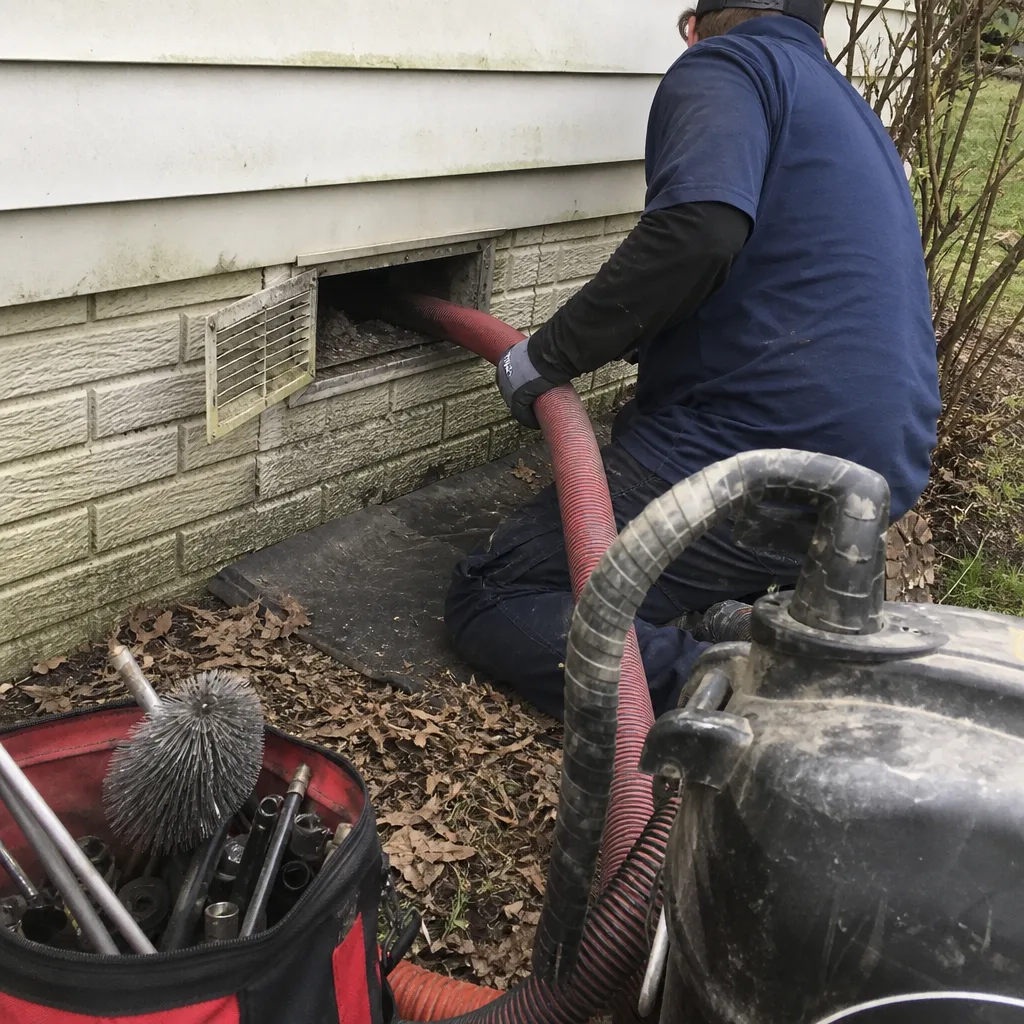 Before
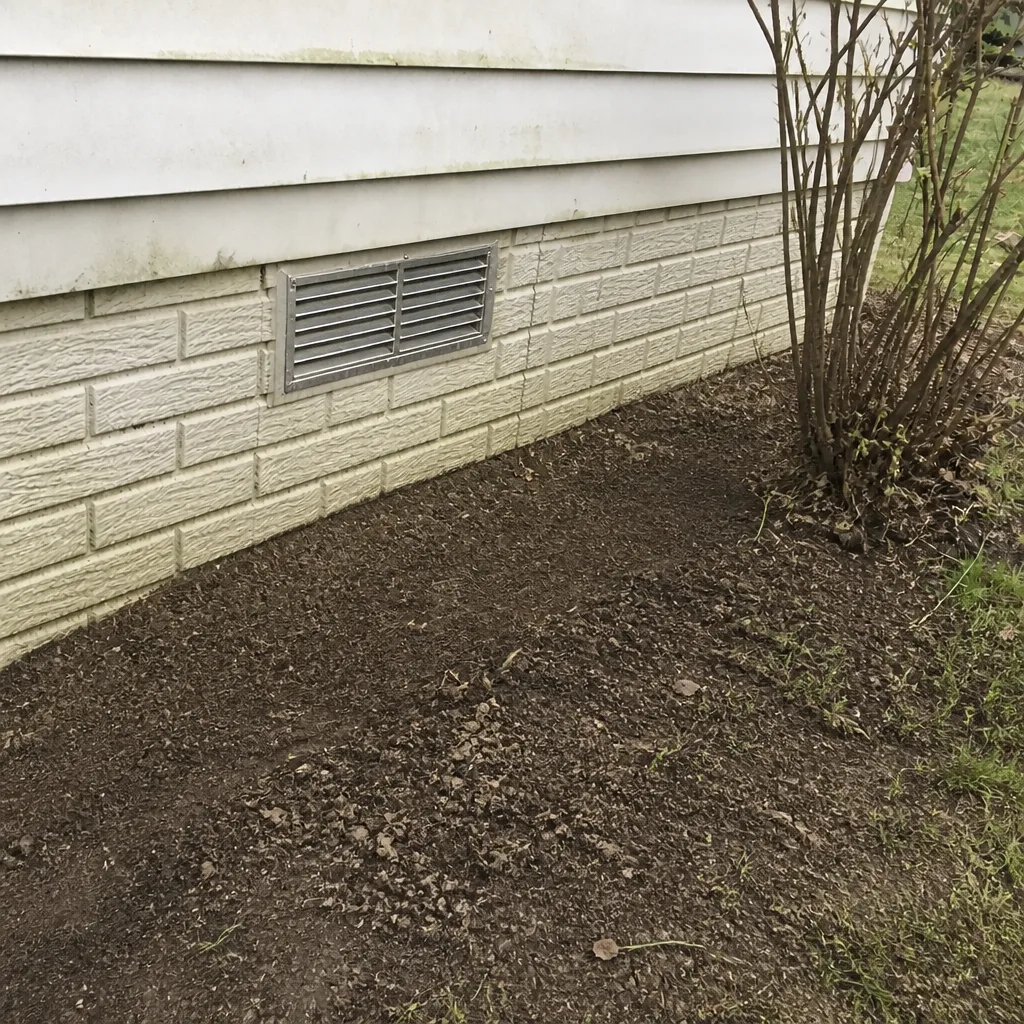 After
 Before
 After