
Last updated November 15, 2026
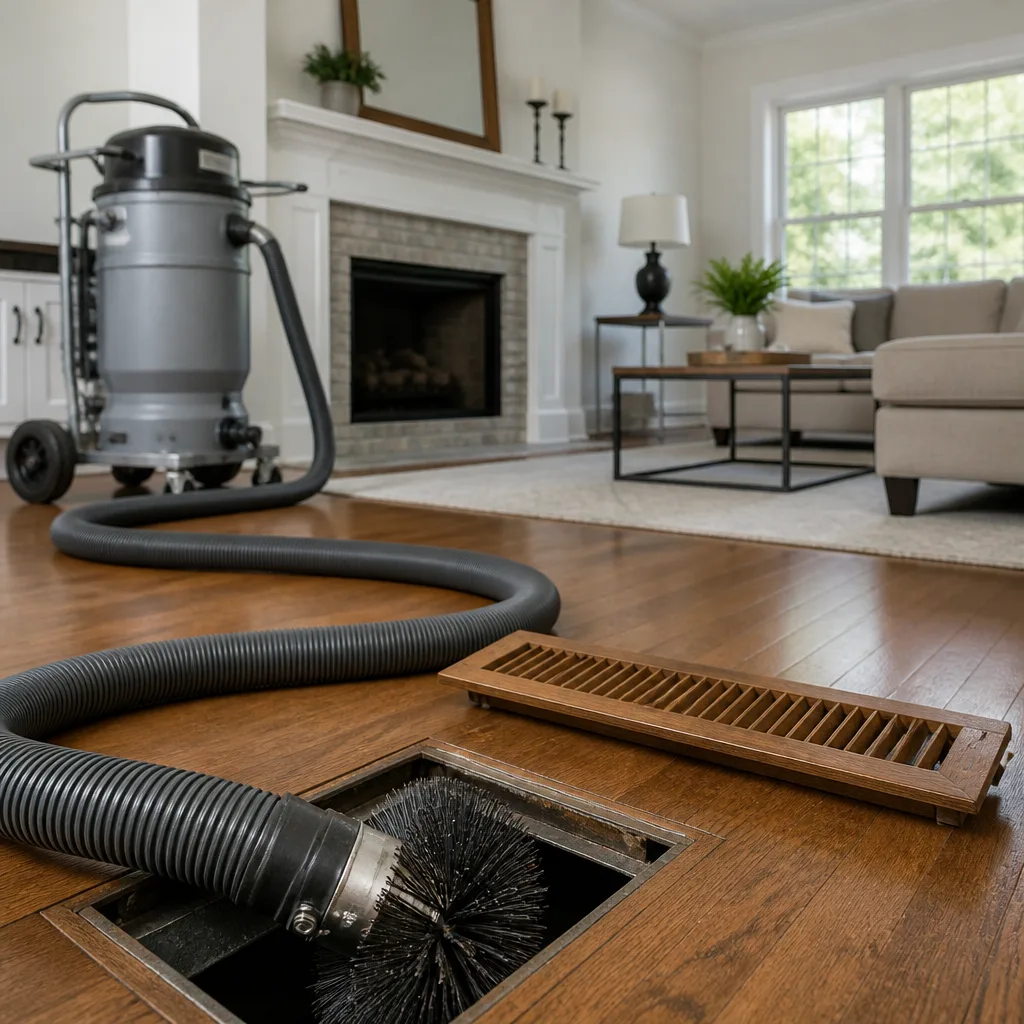 Whole-home duct cleaning
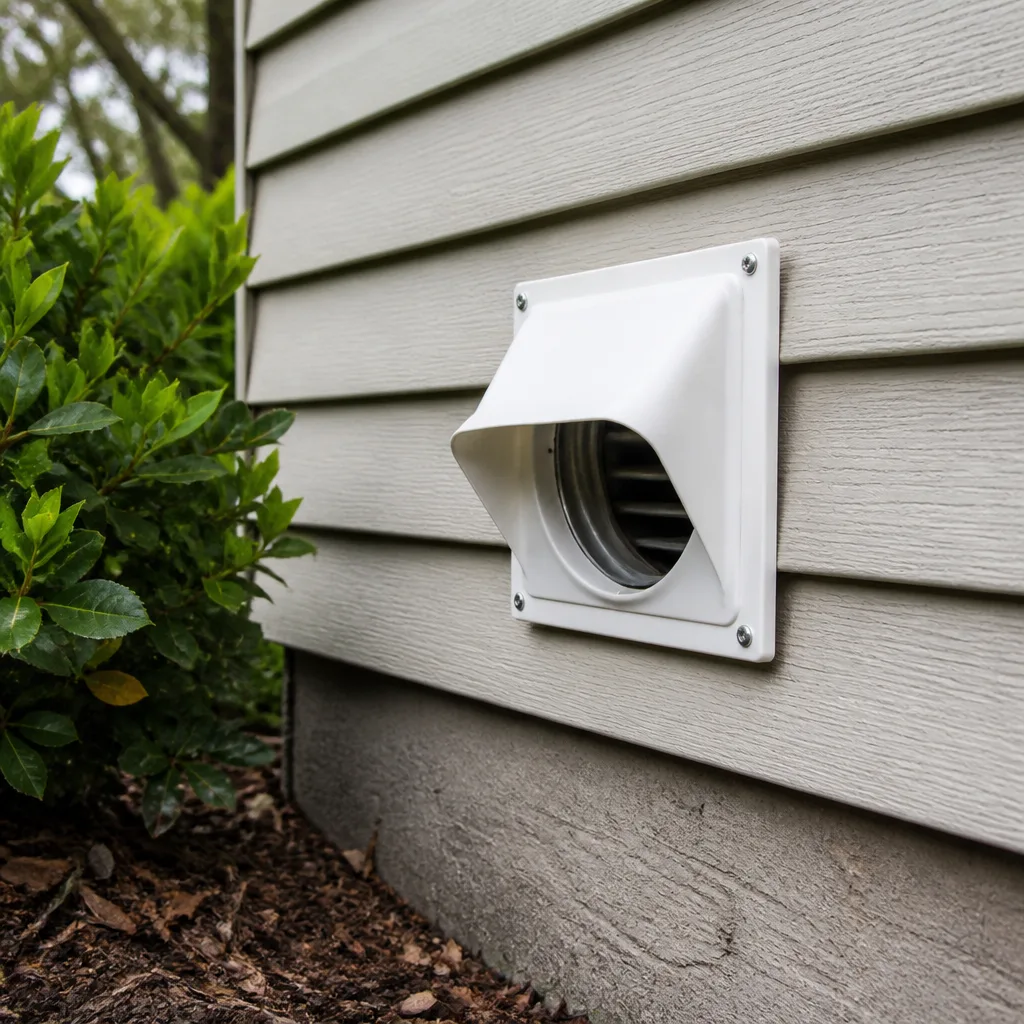 Dryer vent cleaning
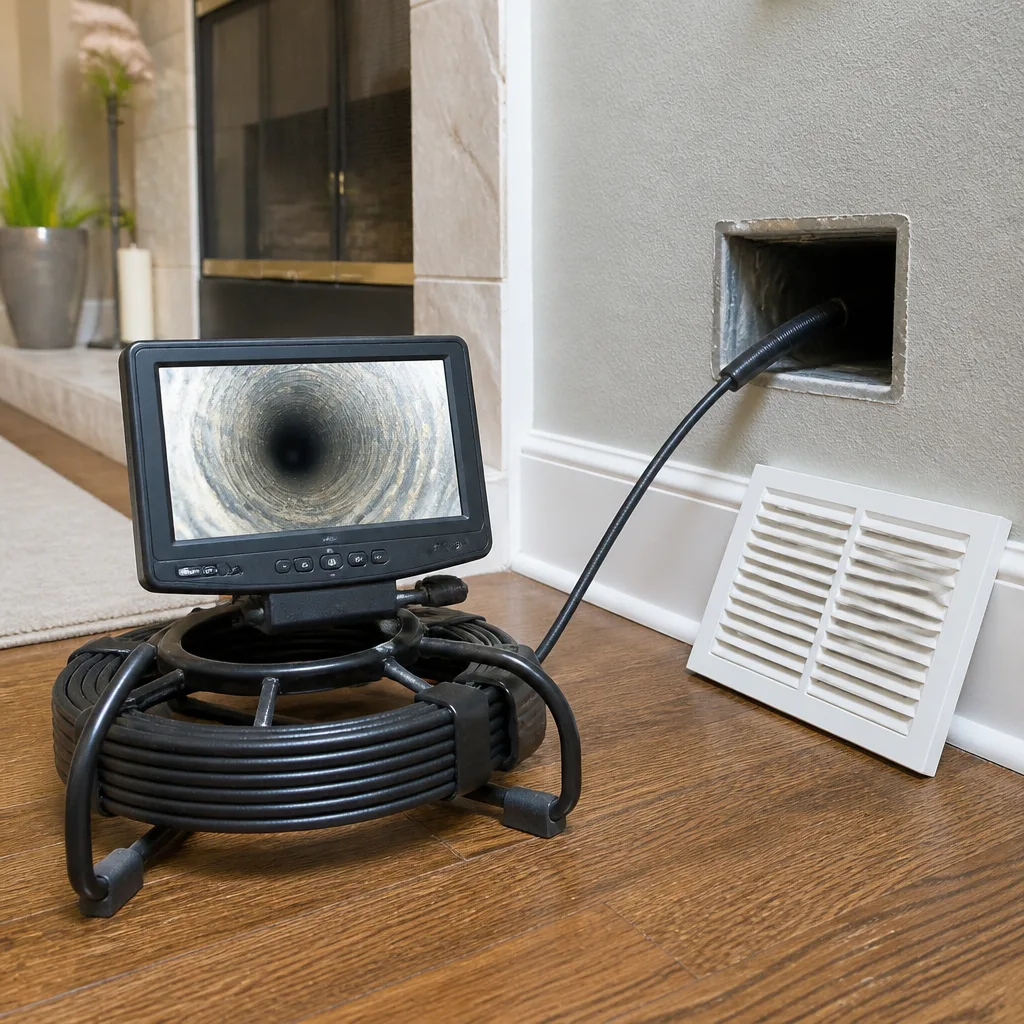 Camera inspection
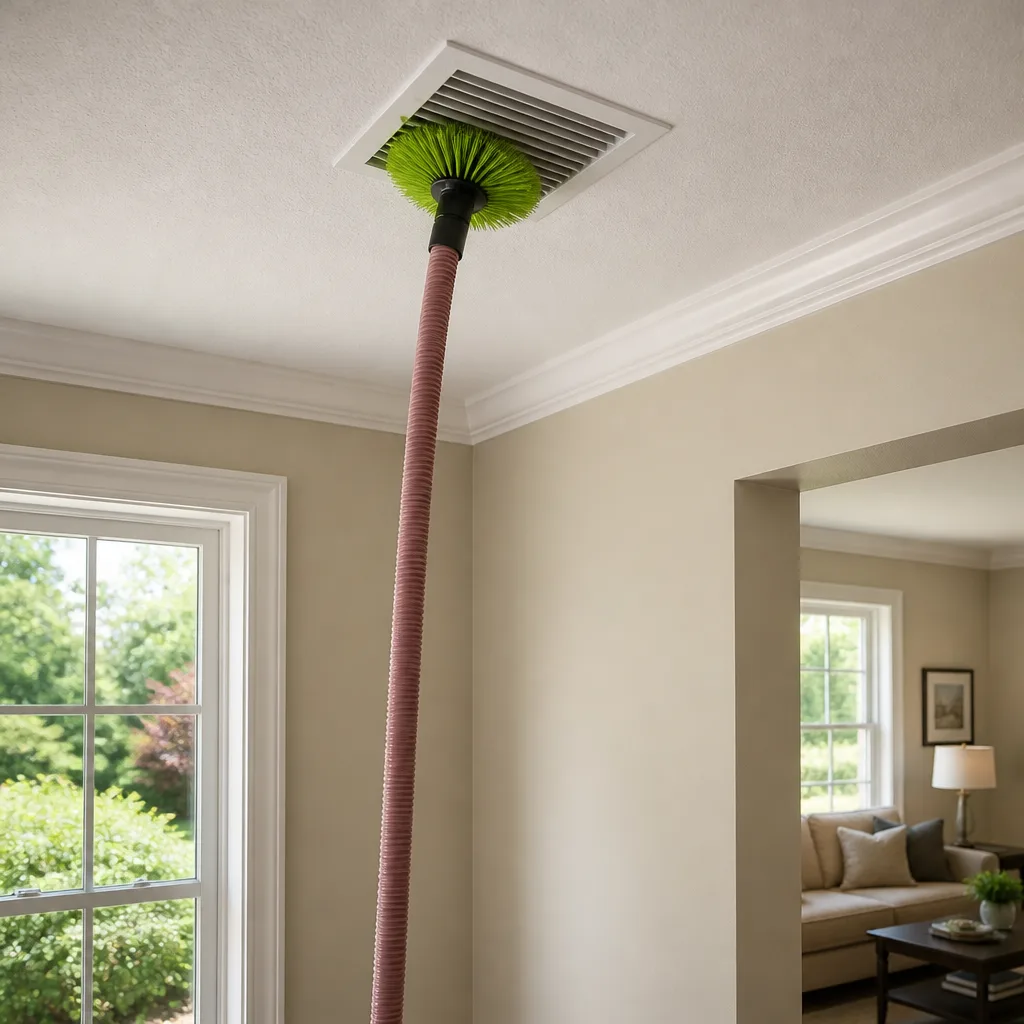 Sanitizing & deodorizing
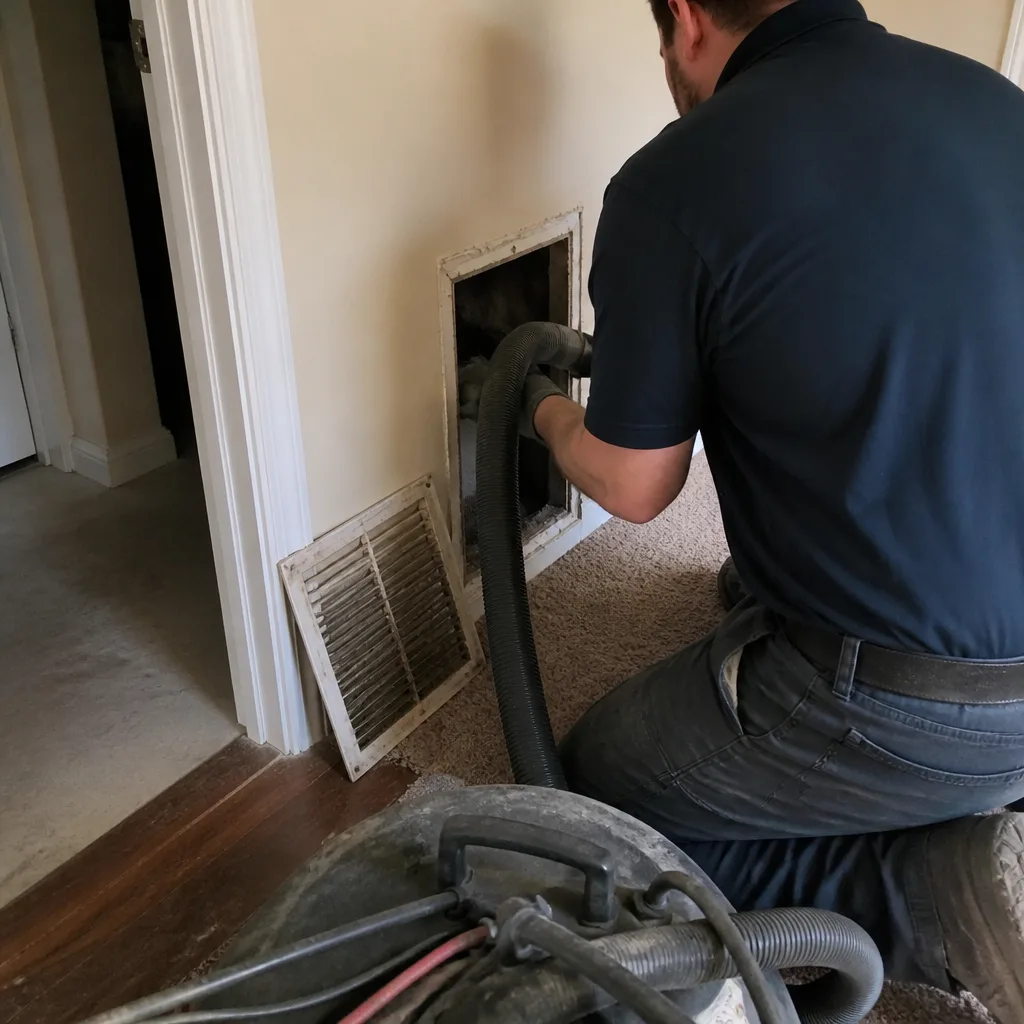
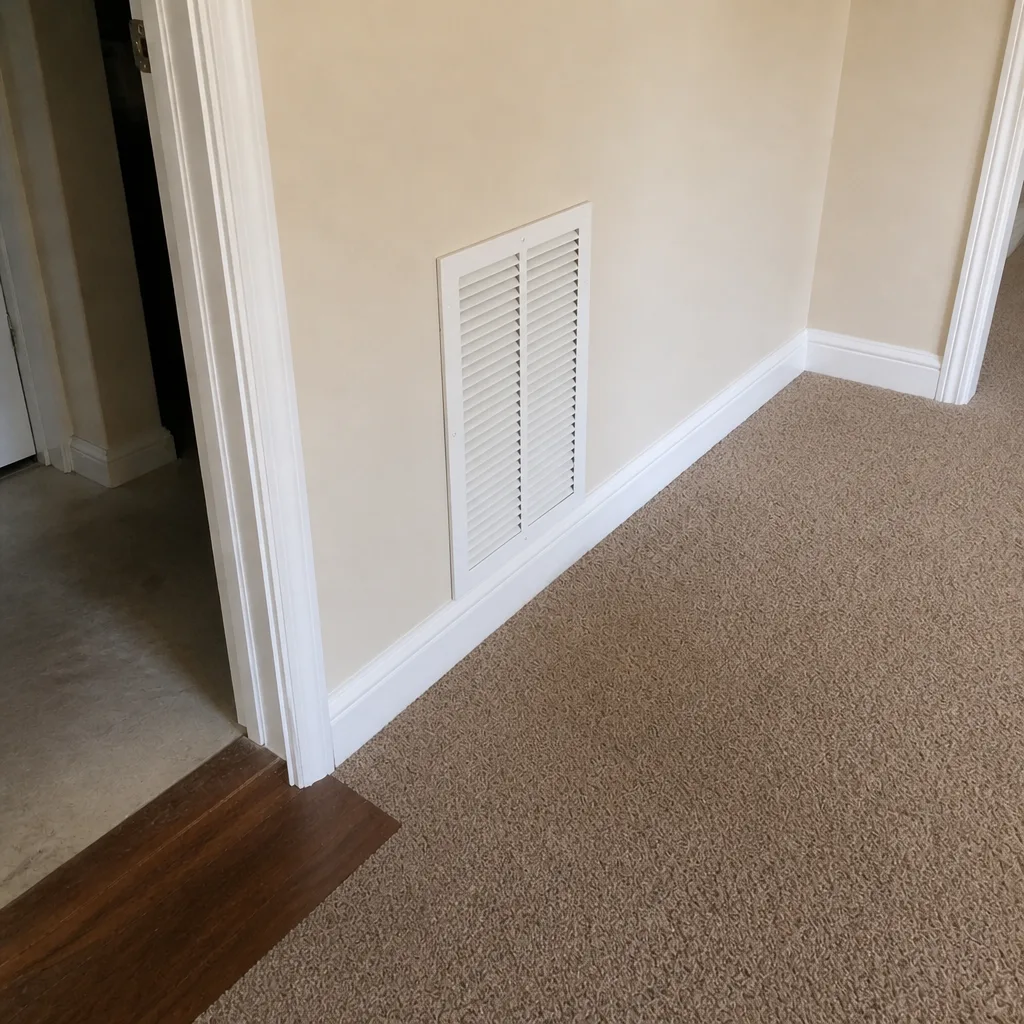
Whole-system duct and dryer vent check with before-and-after photos - you see exactly what came out of your vents
That "$99 whole-house special" is a bait ad - the real number appears once they are in your hallway, or the "clean" is a shop-vac at the register. We photograph the inside of your ducts before and after instead.
Air Duct Cleaning Cost Breakdown: The Lexington Homeowner’s Reference for 2026
Most homeowners shop for duct cleaning by comparing two numbers. That’s the mistake. A $280 quote and a $750 quote in Lexington often describe two different jobs entirely, and the gap usually isn’t quality or markup. It’s scope. One price covers the supply side of your system. The other covers supply, returns, the plenum, and possibly a repair. Until you know what a price includes, you’re comparing apples to receipts. This guide breaks down every component of air duct cleaning cost in Lexington for 2026, what the local housing stock does to those numbers, and which add-ons are worth paying for.
Quick Answer
Air duct cleaning in Lexington typically runs $280 to $900 for a whole-system job, with most single-furnace homes in the $350 to $600 range. The single biggest factor driving the total is whether return-air ductwork is included, since returns carry 100% of the air your system pulls in and are frequently the dirtiest part of the system. Per-vent pricing tends to look cheaper at the quote stage and often costs more by the end on homes with 20 or more registers. A written estimate with the scope spelled out is the only way to compare two quotes fairly.
Styles & brands we work with
- Whole-home duct cleaning
- Dryer vent cleaning
- Camera inspection
- Sanitizing & deodorizing
Table of Contents
- Per-Vent vs. Whole-System Pricing: What Each Model Covers
- Cost Variables Specific to Lexington Homes
- What a Legitimate Quote Should Include
- Legitimate Add-Ons vs. Upsells That Rarely Justify the Price
- How Duct Repair and Sealing Get Priced
- 2026 Lexington Market Rate Benchmarks by Home Size
- How a Whole-System Cleaning Actually Works
- Why the Equipment on the Truck Sets the Price Floor
Per-Vent vs. Whole-System Pricing: What Each Model Covers
There are two pricing models in the Lexington market, and they don’t measure the same thing. Per-vent pricing charges a fixed dollar figure for each supply register. Whole-system pricing charges one flat price for the entire connected duct system, regardless of how many registers it feeds. On a small home with 8 vents, per-vent pricing often looks cheaper. On a home with 20 or more registers, it usually costs more, and the total isn’t visible until the technician is already counting vents in your hallway.
The trap with per-vent pricing isn’t that it’s dishonest. It’s that the base rate often covers only supply runs. Return-air ducts, the main trunk line, the plenum at the air handler, and the blower compartment are frequently listed as line-item extras. By the time you add returns and the plenum, a $299 per-vent quote on a 20-vent home can land well above a whole-system quote that included everything from the start.
Whole-system pricing is the model we use, and it’s why our estimates are structured around one flat price per system. It also forces an honest conversation up front: the technician has to see the whole system, count the air handlers, and check whether returns are connected before the number gets written down. That’s the moment to nail down scope, not after work begins.
What each model typically covers
- Per-vent, base rate: Supply registers only. Returns, trunk, and plenum are usually extra.
- Per-vent, fully loaded: Adds returns and plenum at a per-unit charge, which is where the total climbs.
- Whole-system, standard: All connected supply and return ductwork plus the plenum, priced as one job.
- Whole-system, multi-handler: Priced higher on homes with two or more air handlers, because each one adds a full duct network to the job.
If you request an estimate from any provider, ask one direct question: “Does this price include the return-air system?” The answer tells you more about the final invoice than the headline number does. When you’re ready to compare against a real whole-system figure, our air duct cleaning page spells out what’s included.
Cost Variables Specific to Lexington Homes
Lexington sits in the Bluegrass region, on clay-heavy soil with a humid subtropical climate, and the housing stock here has three quirks that move duct cleaning cost in ways price lists from other markets don’t capture.
1. Crawlspace duct systems
A meaningful share of Lexington homes, especially in older neighborhoods, run ductwork through unconditioned crawlspaces. That changes the job in two ways. Access takes longer, since a technician has to enter and work in a tight, often damp space. And crawlspace ductwork is where breaches and disconnected joints tend to live, because flex duct on the ground gets stepped on, sagged, and pulled apart over time. A cleaning that ignores crawlspace runs isn’t a whole-system cleaning. Budget for the access labor being real.
2. Multiple air handlers
Two-story homes and homes with additions often run two air handlers, each with its own network of ductwork. Each handler is effectively a separate cleaning job. A single-handler benchmark price does not apply, and any quote that assumes one handler on a two-handler system is going to be revised once the technician is on site. Tell the estimator up front if you have more than one furnace or air handler closet.
3. Uncased fiberglass duct liner in older homes
A lot of Lexington’s mid-century housing stock used internal fiberglass duct liner, sometimes without a rigid casing around it. Uncased liner degrades. It sheds fibers into the airstream, and old liner also hides breaches where the interior surface has crumbled away from the metal. Cleaning around failing liner is a slower, more careful job than cleaning smooth galvanized duct, and some of what a technician finds is not dirt but disintegrating material that needs to be addressed before cleaning does any good. That’s one reason duct cleaning in Lexington often turns into a repair conversation rather than a cleaning-only ticket.
None of these three factors is a sales tactic. They’re physical realities of the housing here, and they’re why a Lexington homeowner should expect the quote to shift once a technician has actually seen the system rather than hearing a number over the phone.
What a Legitimate Quote Should Include
A quote that consists of a single number on a business card is not a quote. It’s an opening bid. A legitimate written estimate in Lexington should name each of the following before work begins, and if any of them is missing, that’s the question to ask before agreeing to anything.
- The full scope: Supply ducts, return ducts, plenum, and the number of air handlers covered. Written down, not verbal.
- The equipment being used: Contact cleaning with an agitation tool and negative-air extraction, not a shop vacuum. Ask what brand is on site.
- Access and containment plan: How the technician keeps dust from migrating into living space during the job.
- Before-and-after documentation: Photos of your system’s own interior, not stock images from a manufacturer’s brochure.
- What happens if a breach is found: Whether the price covers the cleaning only, or whether repair is quoted separately, itemized, and approved by you in writing first.
- The final-price statement: Language confirming the written estimate sets the final price, not a starting point that grows.
That last item is the one to hold a provider to. It’s also the reason our process is built around one flat price per system, agreed before work starts, with the before-and-after photos handed to you at the end so you can see the work was done rather than taking someone’s word for it. If you’re comparing quotes right now, this is the standard to apply to every one of them, including ours.
Legitimate Add-Ons vs. Upsells That Rarely Justify the Price
Once the cleaning is priced, add-ons appear. Some address a real problem in your system. Others are fuel for the invoice. Here’s how to tell them apart in a Lexington market where both kinds are actively being sold.
Add-ons that typically earn their price
- Dryer vent cleaning: A standalone service that addresses one of the leading causes of residential fires. Worth doing on its own schedule, and inexpensive relative to the risk it reduces. We treat it as a separate job rather than a bolt-on. Our dryer vent cleaning page has the details if you want to book it together with the duct work.
- Evaporator coil cleaning: If the coil is visibly fouled, cleaning it restores airflow and system efficiency. This is a genuine HVAC maintenance item, not a duct-cleaning decoration.
- Duct sealing or repair when a breach is found: Covered in the next section, but the short version is that a found breach needs a fix or the cleaning gets undone by every subsequent heating and cooling cycle.
- Whole-home filtration: A practical upgrade when the existing filter cabinet is undersized or the homeowner wants higher filtration than a 1-inch filter can deliver. Sourced from Lexington-market product lines we trust, like Honeywell and Aprilaire.
Add-ons that usually don’t
- Generic antimicrobial spray: In most homes, the value is unproven, and the spray can leave a residue. If a provider leads with this as the selling point, ask what the spray is meant to accomplish and whether the source of the problem has been addressed by cleaning and repair first.
- “Sanitizing fog” with no diagnosis: Cleaning removes debris. A fog treatment applied to ductwork without knowing why the system was dirty doesn’t solve the underlying issue.
- Per-vent “deodorizing” fees: A smell coming from ducts is usually a moisture or contamination problem. Fix the cause, not the symptom with a scent.
The rule of thumb: an add-on should have a diagnosis behind it. If the technician can point to a specific condition on your system and explain what the add-on does about it, it’s worth evaluating. If the add-on is presented before anyone has looked at anything, that’s the upsell.
How Duct Repair and Sealing Get Priced
Duct repair pricing is where unscrupulous providers inflate a cleaning bill fast, because the homeowner can’t see inside the ductwork and has to trust the technician’s description of what was found. The only defense is scope in writing, before work starts.
How repair pricing typically breaks down
- By repair type: A disconnected flex joint at a register boot prices differently from a collapsed run in a crawlspace, which prices differently from re-lining a length of failing interior duct liner.
- By access: A repair reachable from an attic access hatch is a smaller job than one requiring crawlspace work or removing a section of ceiling.
- By materials: Sealing with mastic and mesh is different from replacing a run of duct with new insulated flex or rigid duct.
The protection: a written scope before work begins
Ask for the repair to be described and priced separately from the cleaning, itemized, and approved by you in writing before any work begins. A legitimate provider will do this without being asked twice. A provider that starts work on a “we found something” basis and hands you the bill at the end is the exact scenario the written-estimate rule exists to prevent.
We can offer this because duct repair is part of what we do, not a referral out to a second contractor. We clean it, and if it’s broken, we fix it. When a breach is found, the technician shows you the photos, explains what the repair involves, and prices it before anything gets touched. One call covers cleaning, repair, and any filtration recommendation. If you’re trying to figure out whether a repair is needed before you get the cleaning, our repair capability is a good reason to make a call rather than a second appointment later.
2026 Lexington Market Rate Benchmarks by Home Size
Below are typical 2026 ranges for Lexington duct cleaning, broken out by home size and system type. These are estimates, not quotes, and the written estimate for your specific system sets the final price. Larger homes with multiple air handlers, crawlspace runs, or failing duct liner will land at the higher end of each tier or above it, and that’s not a markup. It’s more system to clean.
| Home size and system type | Typical total range | What to expect at this tier |
|---|---|---|
| Under 1,500 sq ft, single handler | $280 to $420 | Standard supply and return cleaning, one plenum, standard access |
| 1,500 to 2,500 sq ft, single handler | $350 to $600 | Whole-system cleaning including returns, plenum, one air handler, standard access |
| 1,500 to 2,500 sq ft, two handlers | $500 to $750 | Two duct networks cleaned, both plenums, pricing reflects the second system |
| 2,500 to 3,500 sq ft, two or more handlers | $650 to $900 | Larger duct networks, more registers, more access time |
| Any size, crawlspace duct system | Add roughly 15 to 25% | Crawlspace access labor and the higher likelihood of discovered breaches |
| Any size, failing interior duct liner | Quoted per repair | Priced as repair, not cleaning, after inspection |
Low, mid, and premium tiers
Low tier ($280 to $350) covers smaller homes with straightforward access and one handler. It’s a real service, not a teaser, but it assumes nothing surprising is found.
Mid tier ($400 to $650) is the standard range for most Lexington homes: whole-system cleaning including returns, one or two handlers, plenum, and standard access. This is where most honest quotes land.
Premium tier ($700 to $900 and up) reflects multi-handler systems, larger duct networks, crawlspace access, or a cleaning combined with repair. The higher price is scope, not salesmanship.
If a quote comes in significantly below the low end for your home size and system type, ask what’s excluded. If it comes in significantly above, ask what’s included that justifies it. Both questions have answers, and the answers tell you whether you’re comparing equivalent services.
How a Whole-System Cleaning Actually Works
Understanding the process makes the price make sense, because every stage on this list represents labor and equipment the total has to cover. This is a general description of a whole-system cleaning, not a step-by-step you should attempt yourself; ductwork frequently involves electrical components, sharp edges, and confined access.
- Inspection and scope confirmation. The technician walks the system, counts air handlers and registers, checks access points, and confirms what the written estimate covers.
- Negative air setup. A high-volume vacuum and containment equipment, like the Abatement Technologies gear we use, is connected to create negative pressure in the duct system so debris gets pulled out rather than blown into the house.
- Contact cleaning. A rotary brush and agitation tool on a flexible line, such as the Rotobrush and Nikro systems we run, is fed through each run to physically scrub the interior surface. Suction alone doesn’t remove adhered debris; contact cleaning does.
- Register and boot cleaning. Each supply register and boot is cleaned individually, since debris collects at the transition where the duct meets the floor or wall opening.
- Return-air and plenum cleaning. The return system, which carries every cubic foot of air the system pulls in, is cleaned along with the plenum at the air handler.
- Blower and coil check. The blower compartment and evaporator coil are inspected, and any visible fouling is noted for the homeowner.
- Documentation. Before-and-after photos of your own system are handed over so you can see what was cleaned, not just hear about it.
If a quote is dramatically cheaper than a whole-system range, one of these steps is missing. Nine times out of ten, it’s the returns.
Why the Equipment on the Truck Sets the Price Floor
You can’t clean a duct system to a meaningful standard with a shop vacuum and a hose. The equipment is where most of the cost sits, and it’s why the very cheapest quotes can’t actually deliver a whole-system cleaning at the price they advertise. The truck has to bring a truck-mounted or high-volume vacuum, a rotary agitation tool, and containment gear. That’s a capital cost the operator carries and the estimate reflects.
Our approach pairs Rotobrush and Nikro contact-cleaning systems with Abatement Technologies containment and air-scrubbing equipment, the same class of gear used in remediation settings. It means the job is built around agitation plus extraction plus containment, not suction alone. It also means the technician can find a breach instead of just cleaning around it.
Beyond the cleaning itself, the visit is the moment to talk about the whole system, not just the vents. If the filter cabinet is undersized or the homeowner wants better filtration, we source from Honeywell and Aprilaire product lines and can recommend a whole-home solution based on what we saw. That conversation is part of the visit, not a separate sales call.
Common Mistakes to Avoid
- Comparing headline numbers without comparing scope. A $299 quote and a $650 quote can be the same job if the low one excludes returns (very common) and the high one includes them. Always compare scope first, then price.
- Accepting a phone quote as a binding estimate. A phone number is a guess. A legitimate estimate requires someone to see the system, count handlers, and check access. Ask if the number is firm and what changes it.
- Booking per-vent pricing on a home with 20+ registers without a total cap. Per-vent pricing on a large home can exceed a whole-system quote by a meaningful margin, and the total isn’t known until the vents are counted on site.
- Skimping on returns because they’re “just the intake.” The return side carries the dirtiest air in the system and is often where the original problem originates. Cleaning supply runs only is not a whole-system cleaning, however cheaply it’s priced.
- Approving an unbudgeted repair on the day. If a breach is found, ask for the repair to be itemized in writing before work proceeds. “We found something big” followed by a bill is the pattern to refuse.
- Paying for antimicrobial spray before a diagnosis. If the source of a smell or contamination hasn’t been identified and addressed by cleaning and repair first, a fog treatment is an invoice, not a fix.
- Ignoring crawlspace ductwork on an older Lexington home. Ducts running through crawlspaces are the most likely part of the system to have failed joints or collapsed liner, and skipping them means the return air is pulling from the crawlspace on every cycle.
See the difference
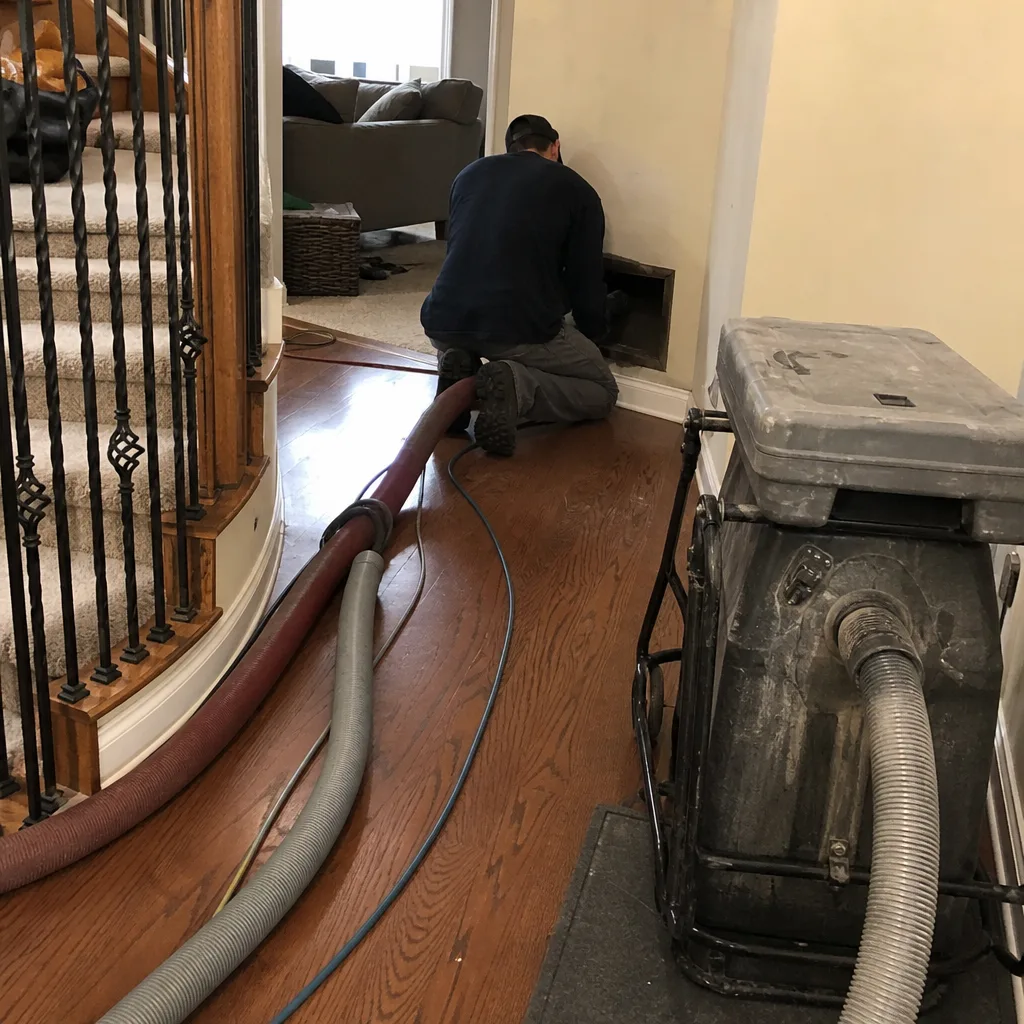 Before
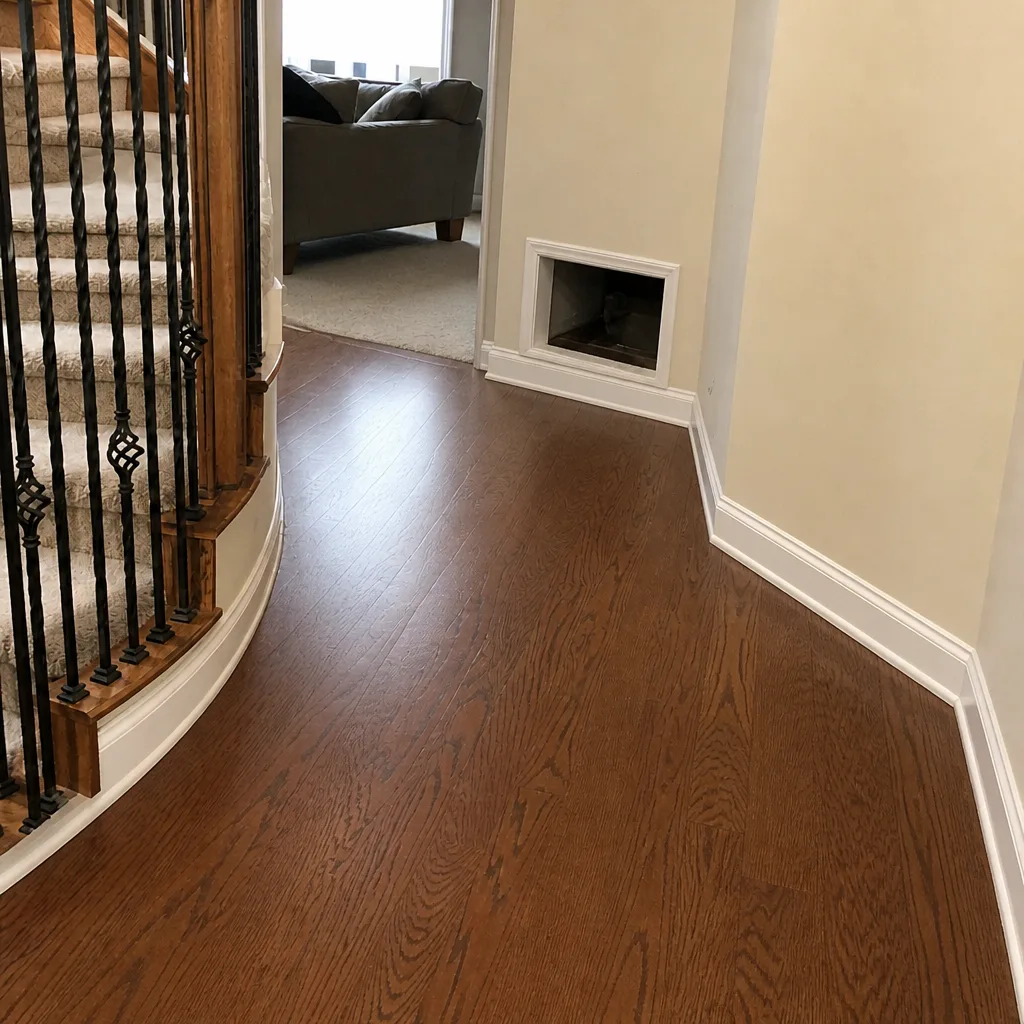 After
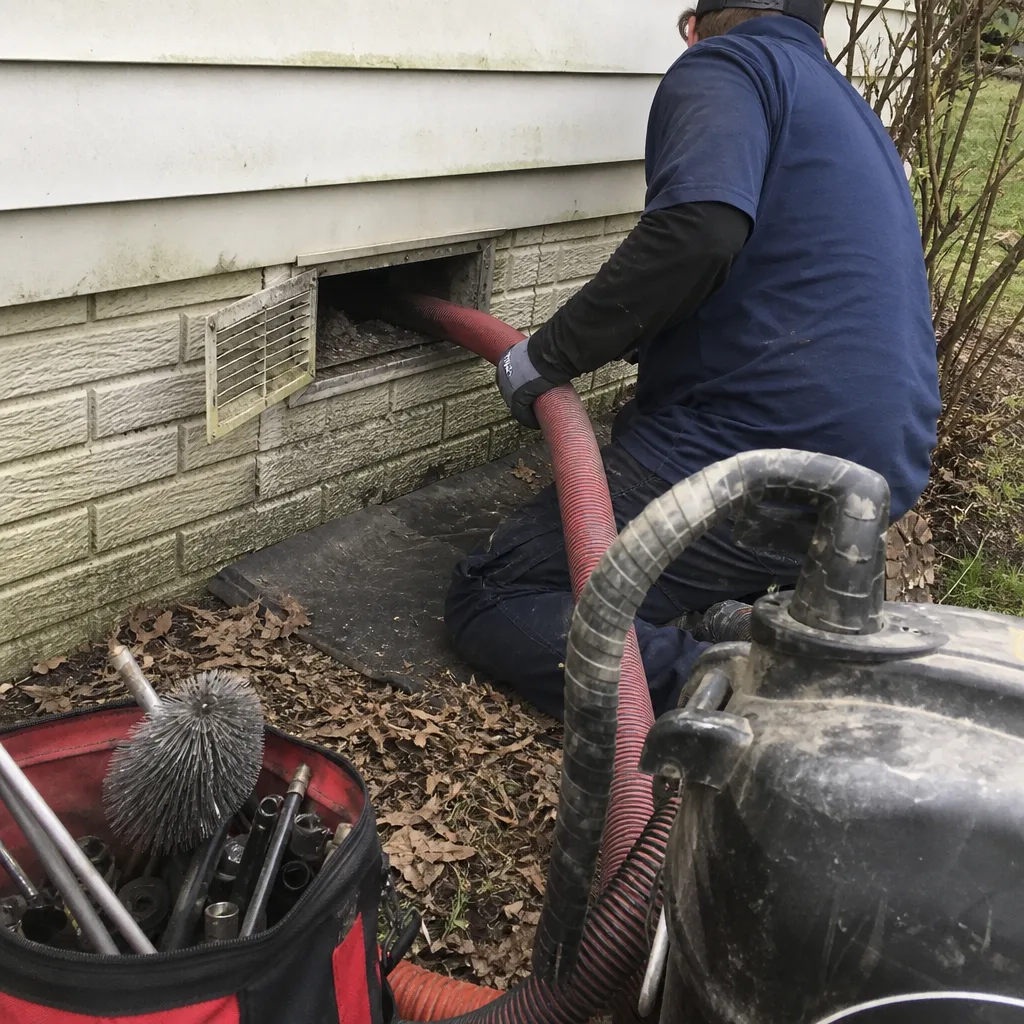 Before
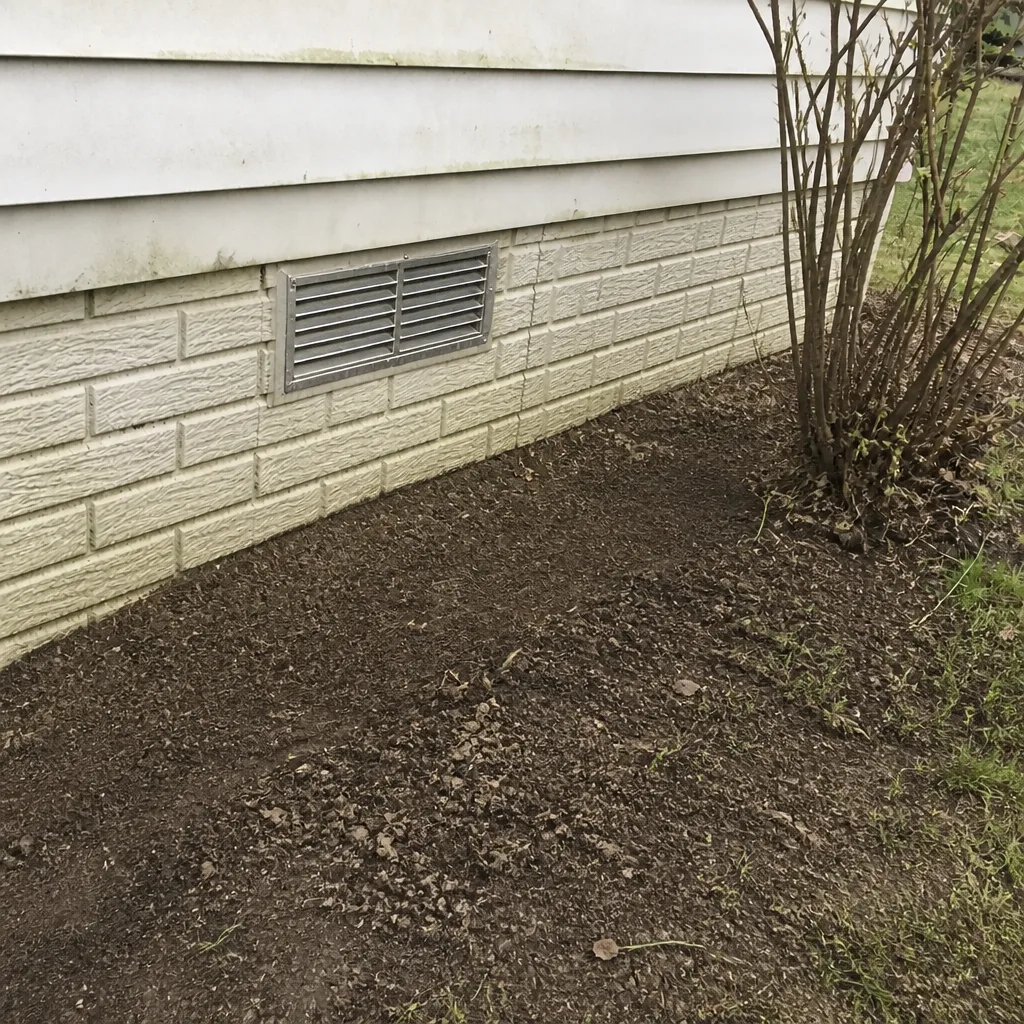 After
 Before
 After
When to Call a Professional
Duct cleaning is a scheduled maintenance decision, not an emergency one, but there are specific situations where the smart move is to get an inspection sooner rather than later. If your home has gone years without duct service, or if you’ve just finished a renovation that generated dust and debris, a whole-system cleaning with a written scope is worth booking. If you have persistent allergies or a system that never seems to move air the way it used to, the underlying cause could be a breach or failing liner, and cleaning alone won’t fix that. If a dryer vent hasn’t been cleaned, that’s a separate call worth making. And if you’ve never had a written estimate on your system, that’s a good starting point regardless. Duct Cleaning Lexington offers free estimates in Lexington, with one flat price per system agreed before work starts. Call (877) 331-2339 to book one.
Frequently Asked Questions
Most Lexington homes land between $350 and $600 for a whole-system cleaning including returns, with the full market range running $280 to $900 depending on home size, number of air handlers, and whether crawlspace ductwork is involved. Per-vent quotes can be cheaper on paper but often cost more once all the extras are added. Call (877) 331-2339 for an exact quote. Estimates are free.
Almost always because they exclude something. The most common exclusion is return-air ductwork, which is often the dirtiest part of the system. The second most common is the plenum at the air handler. The third is using suction-only equipment instead of contact cleaning. A quote below the low end for your home size is a signal to ask what’s not included. Call (877) 331-2339 for a written estimate that spells out every scope item. Estimates are free.
Before-and-after photos of your own duct system, taken during the job and handed to you at the end. Ask any provider whether they document the work this way, and if the answer is vague, that’s your signal. The photos should be of your system, not a manufacturer’s brochure. Call (877) 331-2339 to book a visit with before-and-after documentation. Estimates are free.
For most Lexington homes, every three to five years is a reasonable interval, and sooner after a renovation, a move-in with pets, or if the system has never been serviced. Homes with crawlspace ductwork or failing liner should be inspected more often because those are the spots where problems start. Call (877) 331-2339 if you’re not sure where your system stands. Estimates are free.
Whole-system pricing is generally the better deal on homes with 15 or more registers because there’s no per-unit charge for the extra vents, and the scope is fixed up front. Per-vent pricing can be competitive on smaller homes with 8 to 12 vents, but the total isn’t visible until the vents are counted. Call (877) 331-2339 to get a whole-system figure to compare against. Estimates are free.
Ask for it to be itemized in writing before any repair work starts, including which runs are involved and what materials are being used. A legitimate provider will price the repair separately and get your approval first. Duct repair is one of our three core services, so a discovered breach doesn’t require a second contractor. Call (877) 331-2339 to book an estimate that covers both cleaning and repair scope. Estimates are free.
The Bottom Line
Air duct cleaning cost in Lexington is less about the headline number and more about what the number includes. Whole-system pricing with returns and plenum spelled out, a written estimate that sets the final price, and before-and-after photos of your own system are the three standards to apply to every quote. Per-vent pricing has its place, but on larger homes it can cost more than it looks. Older Lexington homes with crawlspace ductwork or failing liner should expect the estimate to shift once the system is actually seen, and that shift isn’t a marker of a bad provider. It’s the price of doing the job properly, with scope in writing before anything is touched.
Book a Free Estimate
If you’ve compared the numbers and you still aren’t sure which quote is the real one, that’s exactly what a written estimate is for. Our estimates are free, the price is set per job, and you’ll have the scope, the equipment, and the repair terms in writing before anything is agreed. We run commercial-grade Rotobrush, Nikro, and Abatement Technologies equipment in your home, and we clean it and fix it if it’s broken, so one call covers the whole system. Call (877) 331-2339. We answer 24/7. Fast dispatch from 7am to 7pm, Sunday through Friday, closed Saturday. Start with our Duct Cleaning Lexington homepage if you want the full picture of what we do.
Written by the team at Duct Cleaning Lexington.