
Last updated November 15, 2026
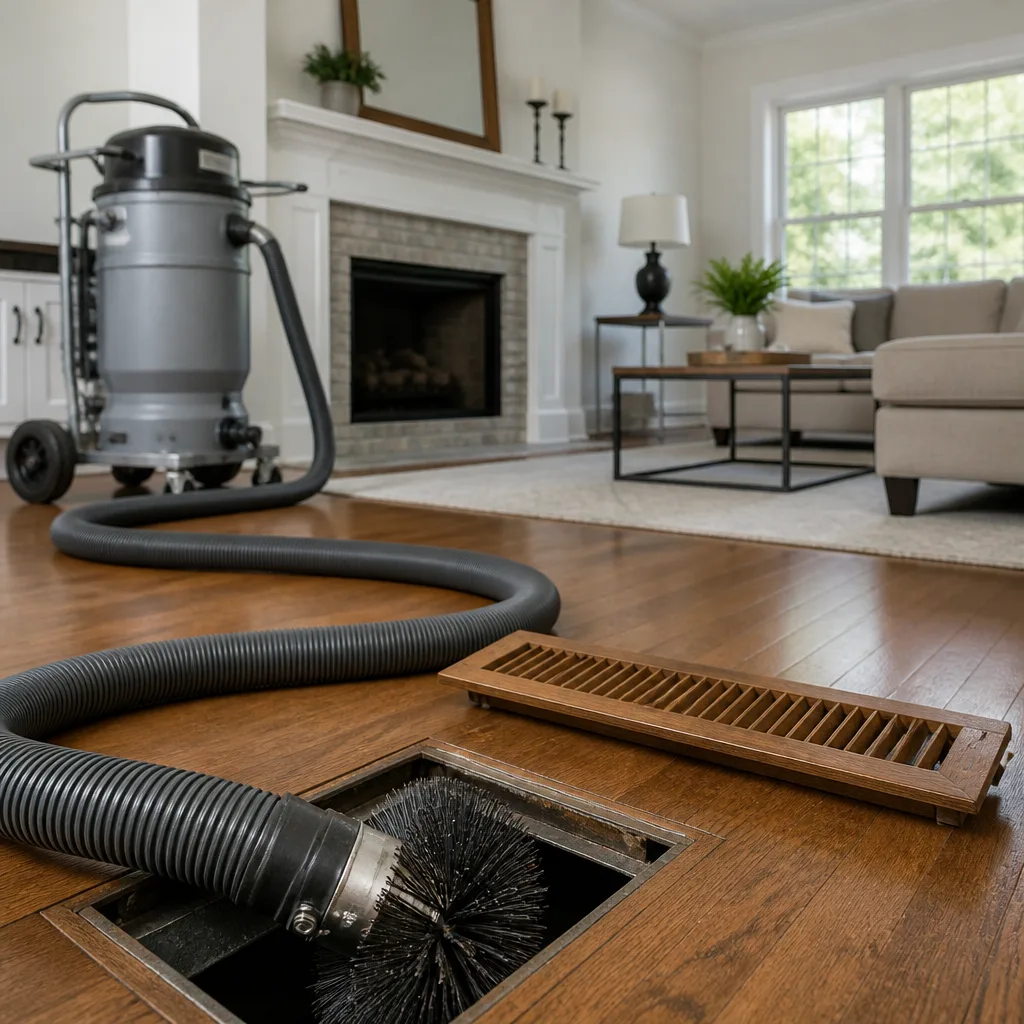 Whole-home duct cleaning
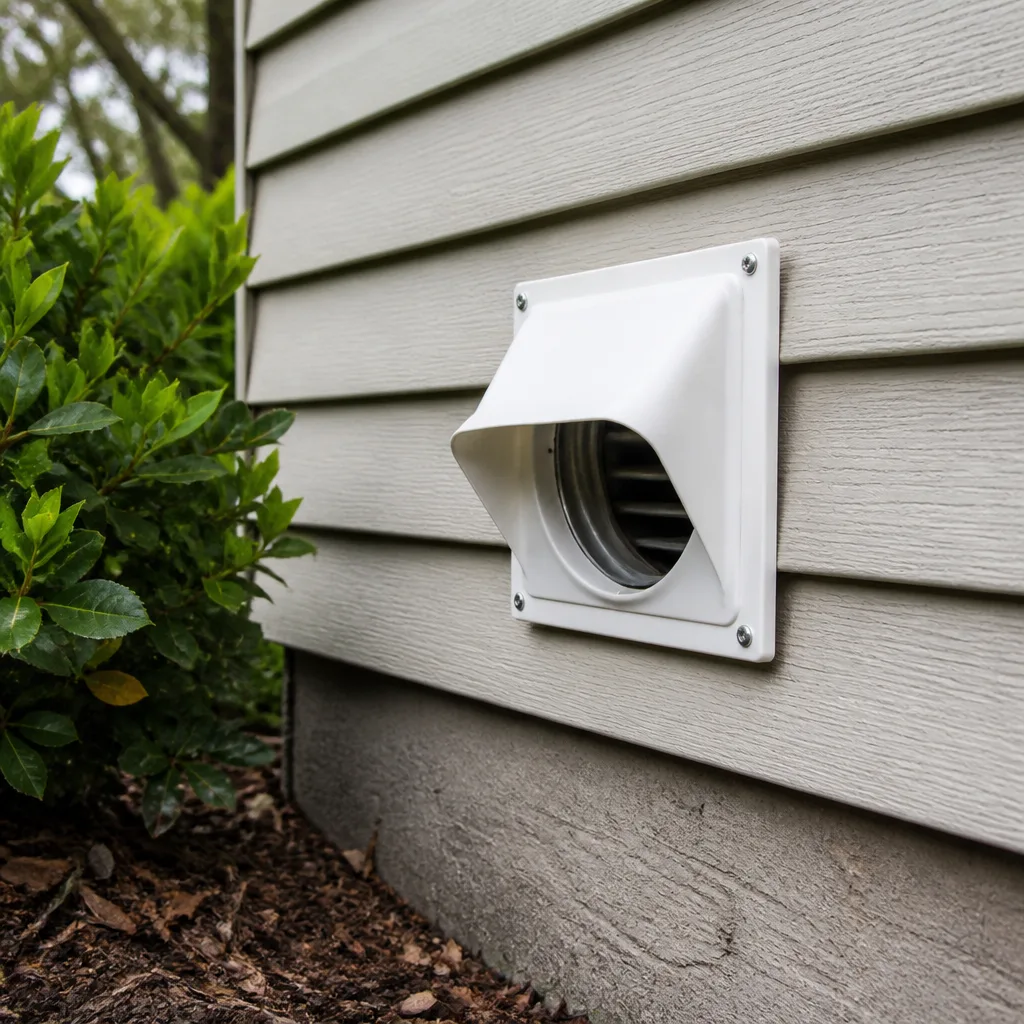 Dryer vent cleaning
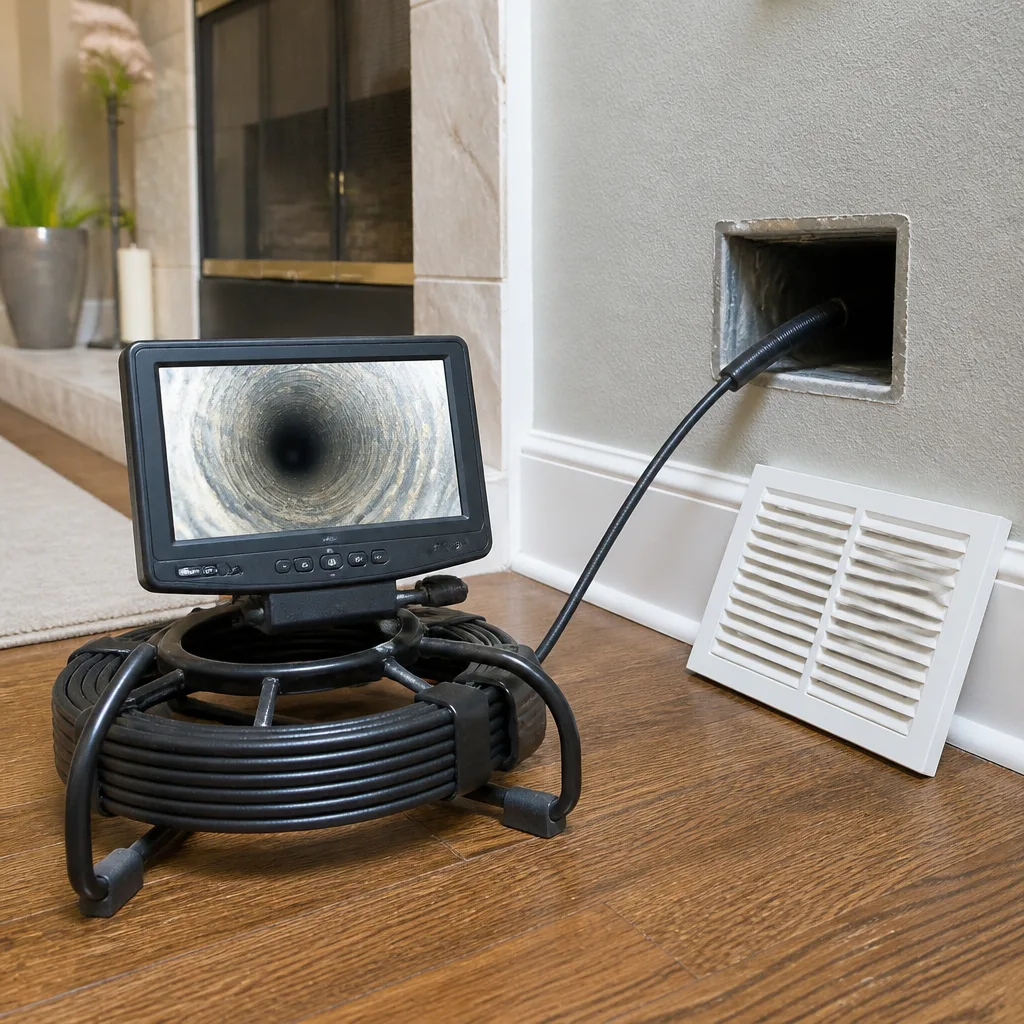 Camera inspection
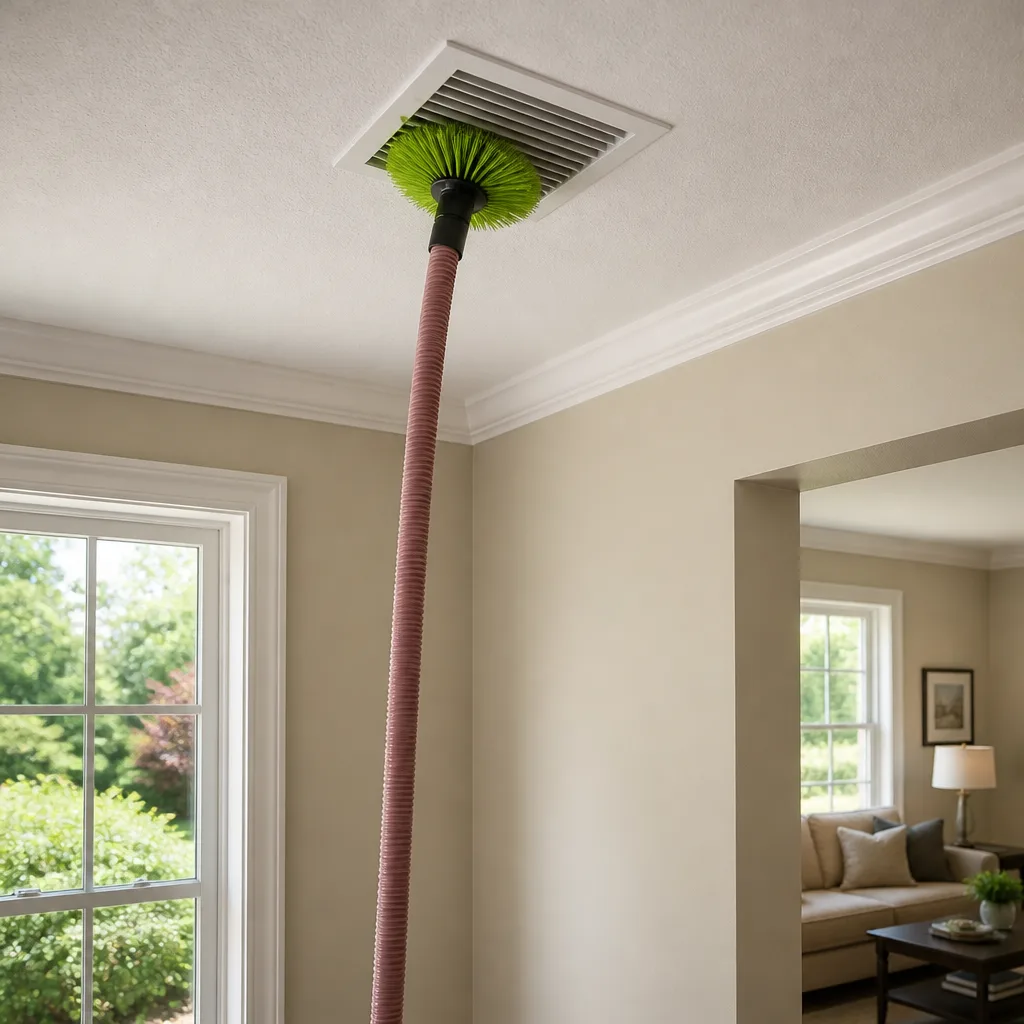 Sanitizing & deodorizing
Whole-system duct and dryer vent check with before-and-after photos - you see exactly what came out of your vents
That "$99 whole-house special" is a bait ad - the real number appears once they are in your hallway, or the "clean" is a shop-vac at the register. We photograph the inside of your ducts before and after instead.
Seasonal Air Duct Cleaning Care for Lexington: Year-Round Homeowner’s Guide
Most homeowners treat duct cleaning as a once-a-decade event, something to schedule when the vents look bad or someone in the house starts sneezing. That single-event approach misses how a home in Lexington actually breathes through the year. Our seasons aren’t background scenery for your HVAC system. They change what gets pulled into it, what grows inside it, and how hard it has to work to move air. Spring pollen, summer humidity, fall startup, winter static pressure: each one loads your ducts differently, and each one calls for a different check. This guide walks through all four seasons in order, with the specific tasks that matter in each and the mistakes that quietly undo the work.
Quick Answer
Air duct care in Lexington works best on a seasonal rhythm rather than a single annual cleaning: inspect and clean in spring before cooling season, watch for condensation and humidity issues through summer, clean before the furnace starts in fall, and check for leak-related static pressure problems in winter. A full professional cleaning is typically needed every few years, but the visual checks and filter changes that protect your system happen four times a year.
Styles & brands we work with
- Whole-home duct cleaning
- Dryer vent cleaning
- Camera inspection
- Sanitizing & deodorizing
Table of Contents
- Spring: The Post-Heating Inspection That Sets Up Your Whole Year
- Summer: Humidity, Condensation, and What to Watch at the Registers
- Fall: Why Cleaning Before Heating Startup Matters Most
- Winter: Static Pressure, Duct Leaks, and the No-Equipment Leak Check
- How to Use Filter Changes as Seasonal Duct Checkpoints
- When Cleaning Isn’t Enough: Duct Repair and Air Quality Upgrades
- Building a Year-Round Duct Care Calendar
- When It’s Time to Bring in a Professional
Spring: The Post-Heating Inspection That Sets Up Your Whole Year
Spring in Lexington is a pollen event, not a season. This part of the state sits in one of the heaviest oak and grass pollen zones in the eastern U.S., and that matters directly to your ductwork because of timing. Your system has just spent months in heating mode, cycling air through the same ducts, and now you’re about to flip it to cooling. The first cooling startup doesn’t just move dust around. It pushes a concentrated load of what settled over winter straight into your living space at the exact moment outdoor allergen levels are peaking.
That’s why the spring inspection is the most valuable one on the calendar. Before you switch over, you want to know what’s sitting in the system.
- Pull and inspect the filter before the first cooling cycle. A filter that ran all winter is loaded. Replacing it at the changeover keeps that trapped debris from being pulled back into the airstream when airflow direction and volume shift.
- Look inside a few supply registers with a flashlight. A light dust film is normal. Visible matting, dark staining, or debris clinging to the register boot tells you the trunk line behind it needs attention.
- Check the return air grille. The return is where most household debris enters the system. If the grille face is visibly loaded, the duct behind it usually is too.
- Note any musty smell at startup. A smell that appears only when the system first runs in cooling mode often points to moisture sitting somewhere in the duct run from the prior summer.
- Book a cleaning if it’s been several years or you’ve had a renovation. Drywall dust and construction debris from a winter remodel travel much further through ductwork than most people expect.
One spring-specific trap deserves its own note: pollen infiltration during filter changes. Every time you open the filter slot and slide a new filter in, unfiltered air has a direct path into the return. Doing filter changes with windows open on a high-pollen day pulls a burst of oak and grass pollen straight into the system. Change filters with the house closed up, and check the filter slot gasket while you’re there. If you want a baseline on the whole system before cooling season, a professional air duct cleaning visit in early spring catches what a visual check can’t.
Summer: Humidity, Condensation, and What to Watch at the Registers
Lexington summers are humid. July relative humidity here commonly runs above 70%, and that changes the physics inside your ductwork. Cool air moving through a duct run in a hot, humid attic or crawlspace creates a temperature differential, and where the duct insulation is thin, damaged, or missing, moisture can condense on the duct surface and sometimes inside the run itself. Damp duct interiors are where mold and biological growth get a foothold, and once that starts, cleaning is the only way to remove it.
You can monitor most of this from the floor without opening anything up.
- Condensation on register faces. Beads of water on the supply register in summer usually mean cold air is meeting humid room air right at the grille. Some is normal in a very humid spell. Constant wetness points to a duct or insulation problem.
- Musty odor when the AC runs. A smell that shows up when the system starts and fades as it runs suggests moisture and growth somewhere in the duct path.
- Uneven cooling between rooms. One room that never quite cools in summer can be a duct leak or a disconnected run dumping conditioned air into the attic. It’s a comfort problem and an energy problem at the same time.
- Visible dust streaking around a register boot. Streaks at the ceiling joint mean air is escaping at the connection rather than coming through the grille.
Summer is also the season where a filter that’s too restrictive hurts you. High-MERV filters trap more, but they also increase resistance and reduce airflow, which a humid-weather system doesn’t need. If you’re unsure what your system can handle, that’s a good question to raise during a cleaning visit. We work with Honeywell and Aprilaire filtration products, and matching filter choice to your actual blower and duct setup is part of the conversation, not an upsell.
For homeowners managing summer allergies or a house that just smells stale once the AC is running, scheduling duct cleaning in Lexington during the humid months addresses the source rather than masking it.
Fall: Why Cleaning Before Heating Startup Matters Most
Here’s the seasonal argument most homeowners have never heard. Cleaning your ducts before the furnace starts for the year is more important than cleaning them after. The reason is what the first heating cycle does. Air sitting in ductwork through a humid summer, having picked up settled dust, mold spores from any damp spots, and whatever came in during the cooling season, gets pushed through the entire house the first time the blower runs in heating mode. And in a gas furnace, that airstream also carries combustion byproducts that enter the return path when a heat exchanger, flue connection, or venting issue exists.
That combination is why fall cleaning earns its place at the front of the list. If your ducts are going to be cleaned once in a year, do it before the furnace fires up.
- Schedule the cleaning before the first cold snap, not after. Once heating season starts, every run pushes the load through the house. Cleaning beforehand means the first warm air is clean air.
- Get the furnace checked in the same window. A heating technician looking at the heat exchanger and flue during the same visit catches venting problems a duct cleaner can’t assess.
- Look for rust or staining at the furnace connection. Discoloration where the duct meets the furnace cabinet can suggest moisture or heat issues worth a closer look.
- Check the return grille again after summer. A summer of open windows, pets, and yard work loads the return faster than any other season.
- Replace the filter at startup. A fresh filter going into heating season is a cheap way to keep the first month of warm air clean.
Fall is also the right time to address anything the spring and summer checks flagged. If a register showed moisture staining in July, get it looked at before the system switches modes. A duct that’s been damp all summer doesn’t dry out just because the air outside gets cold.
Winter: Static Pressure, Duct Leaks, and the No-Equipment Leak Check
Winter in Lexington puts your duct system under more static pressure than any other season. Heating mode pushes more air volume through the same duct runs, and any leak or restriction in the system gets amplified. A duct network that performed acceptably in cooling season can suddenly show problems in heating season because the system is moving more air, and that air finds every gap. Static pressure isn’t something most homeowners can measure without a manometer and a bit of training, but you can identify the symptoms of a system under stress without a blower door test.
- Whistling or whooshing at registers. A vent that’s noticeably louder in heating mode than in cooling is telling you the air is being forced through a restriction or leaking at the boot.
- Cold rooms on the far side of the house. Rooms that heat poorly in winter but cooled fine in summer often sit at the end of a duct run with a leak or a disconnected joint. The system is losing air before it arrives.
- Dust appearing near a specific register. Dust accumulating around a ceiling register during heating season often means the boot isn’t sealed to the drywall and air is moving through the gap.
- A return that’s harder to pull open. A return grille that resists when you lift it is a sign of higher static pressure at the return side.
One honest caution about winter inspections: don’t work inside ductwork, open the furnace cabinet, or probe the heat exchanger yourself. Gas combustion and electrical components are not homeowner territory, and a badly handled flue connection is a genuine hazard. When in doubt, call a professional. That’s true in any season, but it matters most in winter when a heating system is running flat out.
If you identify a leak or a disconnected run in winter, the fix often isn’t cleaning at all. It’s repair. And that’s where we differ from most duct cleaning outfits. We clean it, and if it’s broken, we fix it.
How to Use Filter Changes as Seasonal Duct Checkpoints
Filter changes are the natural backbone of a seasonal duct care routine. Instead of remembering a separate due date for duct inspection, tie a quick visual check to every filter change. You’re already at the system. Take five extra minutes.
- Note the date and the filter’s appearance. A filter that’s gray and matted after a month is telling you the system is moving more dust than it should. A filter that looks clean after two months in a busy house may mean air is bypassing it through a gap.
- Shine a light into the return duct behind the filter. In a typical home the return plenum is the most informative view you’ll get without professional equipment. If you see debris on the duct floor, dust is accumulating downstream.
- Check the filter slot for gaps. Air that slips around the filter rather than through it carries dust straight into the cabinet. Adding a gasket or a filter frame is a small fix with real impact.
- Look at one supply register nearby. Compare it to the return you just checked. If the return is dirty and the supply is clean, the filter is doing its job. If both are dirty, debris is already past the filter.
- Log anything unusual. Musty smells, whistling, condensation, or visible streaks at a boot are worth noting and acting on before the next season.
How often should the filter change itself? It depends on the filter, the household, and the season. In Lexington, the spring pollen months and the summer humidity months load filters faster than winter. Most homes do well changing the filter every one to three months and checking the return at least that often. Homes with pets, recent renovations, or allergy-sensitive occupants need the shorter end of the range. The check matters more than the interval.
When Cleaning Isn’t Enough: Duct Repair and Air Quality Upgrades
Cleaning fixes what’s inside the duct. It doesn’t fix what’s wrong with the duct itself. This is the part of duct care most homeowners only learn about once a technician has the system open, and the seasonal checks in this guide exist partly to catch those issues earlier. If your fall or winter inspection turned up a leak, a disconnected run, or a crushed flexible duct in an attic, no amount of cleaning will deliver clean air. The system is pulling from the attic or crawlspace and delivering that air into the house.
What separates a cleaning visit from a maintenance visit is what the technician can do about it. We offer air duct repair alongside cleaning, so a breach found during the job gets fixed in the same visit rather than turned into a separate contractor search. That single-company accountability covers three services that overlap more than most homeowners expect: cleaning, dryer vent cleaning, and duct repair.
The other piece worth knowing is filtration. Once the ducts are clean and sealed, the next layer of air quality control is what the system filters. Honeywell and Aprilaire whole-home filtration products go beyond standard 1-inch filters, but only make sense when the ductwork can handle the airflow resistance. That’s a judgment built from a look at the actual system, not a catalog. If a cleaning visit uncovers a duct setup that could support better filtration, we can talk through the options then.
Building a Year-Round Duct Care Calendar
Here’s the full calendar in one place, in the order the seasons actually arrive in Lexington.
- Early spring (before cooling switchover): Replace the filter with the house closed up. Inspect a few supply registers and the main return. Note musty odors at startup. Schedule a cleaning if it’s been several years or you’ve had a renovation. This is the best window for a full professional cleaning.
- Late spring (pollen peak): Shorten filter change intervals. Keep windows closed during filter changes. Watch for visible pollen staining on register faces.
- Summer (humidity months): Check registers for condensation. Note uneven cooling and any musty smell when the AC starts. Evaluate whether your filter is too restrictive for the airflow.
- Early fall (before heating switchover): Replace the filter. Look at the furnace connection for rust or staining. Get the furnace checked in the same window. This is the second-best window for a full cleaning, and for many homes the better one.
- Winter (heating season): Listen for whistling or whooshing at registers. Check cold rooms for leak symptoms. Watch for dust at register boots. Don’t open the furnace cabinet yourself.
- Every filter change (all year): Shine a light into the return duct. Note anything unusual. Log it.
The rhythm is what matters. The seasons do the work of reminding you what to check. If a year goes by with no changes and no issues, that’s a good sign. If the same warning shows up twice, that’s your signal to call.
When It’s Time to Bring in a Professional
Some seasonal checks are for you. Some belong to a technician with the right equipment. Call a professional when any of these show up.
You’re seeing visible moisture, staining, or musty odor inside a duct run or at a register in any season. Your spring or fall inspection found debris matting behind a register that’s more than a light film. You’ve had a renovation in the past year and drywall dust has gone through the system. It’s been several years since a cleaning and the filters are loading fast. Your system shows sign of a leak, a disconnected run, or a crushed flexible duct. Your winter check turned up a whooshing or whistling that wasn’t there in summer. Or you simply want a professional look at the whole system rather than a filtered flashlight view.
Duct Cleaning Lexington offers free estimates in Lexington. We use Rotobrush and Nikro contact-cleaning systems, which physically agitate and extract debris rather than relying on suction alone, and Abatement Technologies containment equipment to control air quality during the job. Call (877) 331-2339. We answer 24/7. Fast dispatch from 7am to 7pm, Sunday through Friday.
See the difference
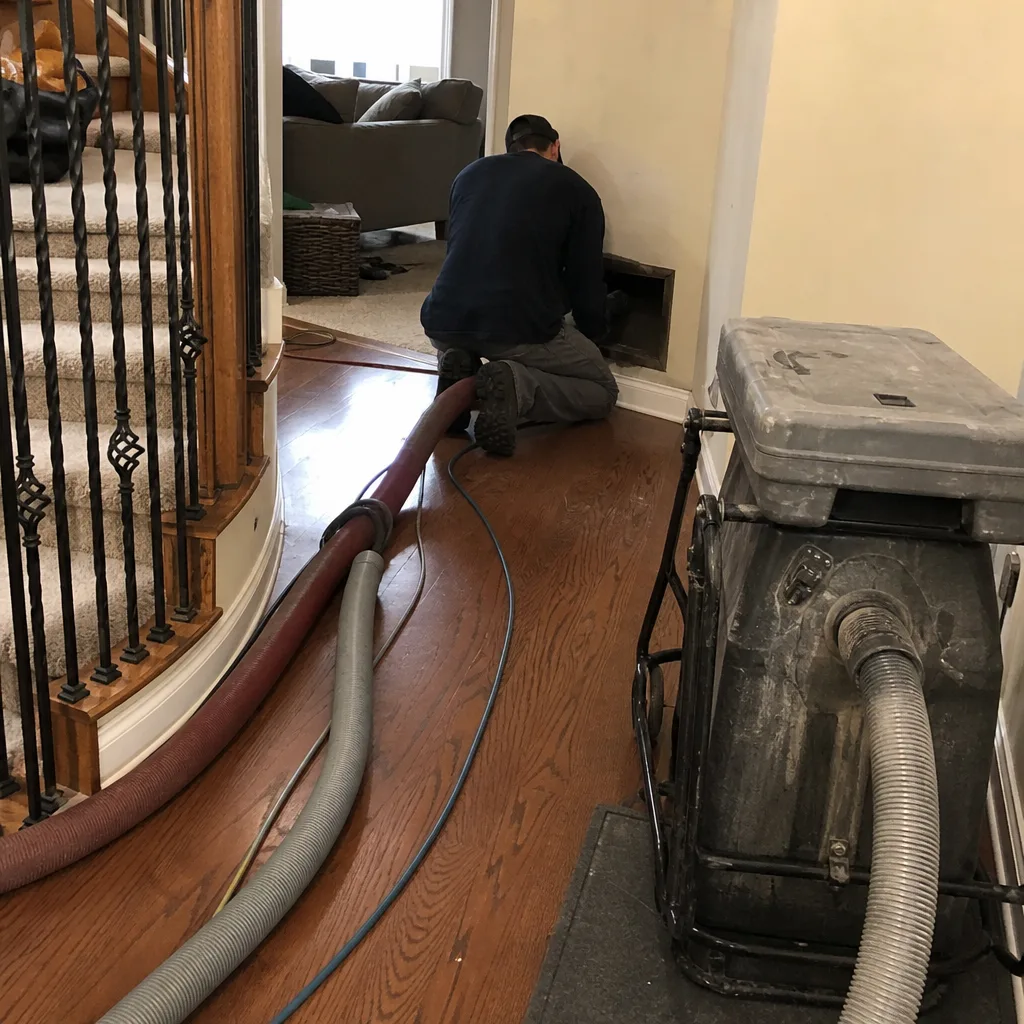 Before
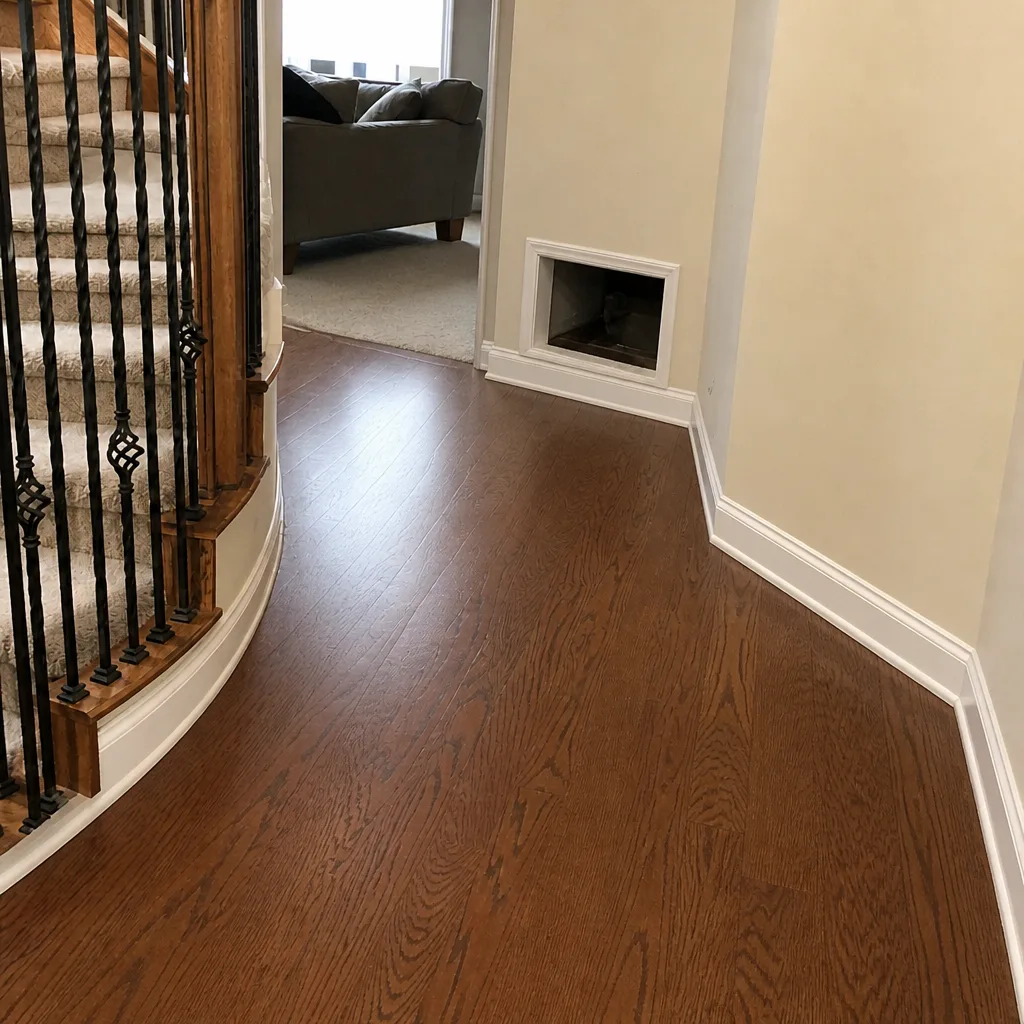 After
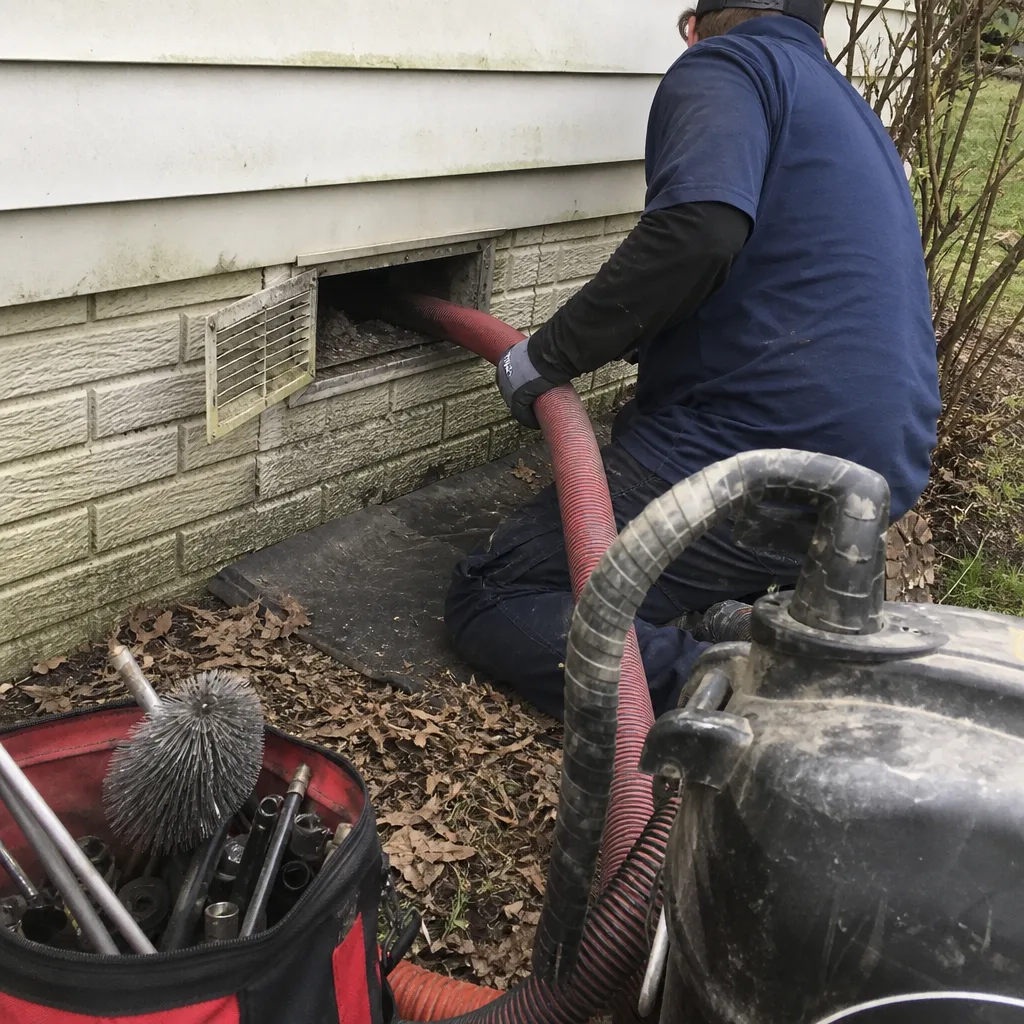 Before
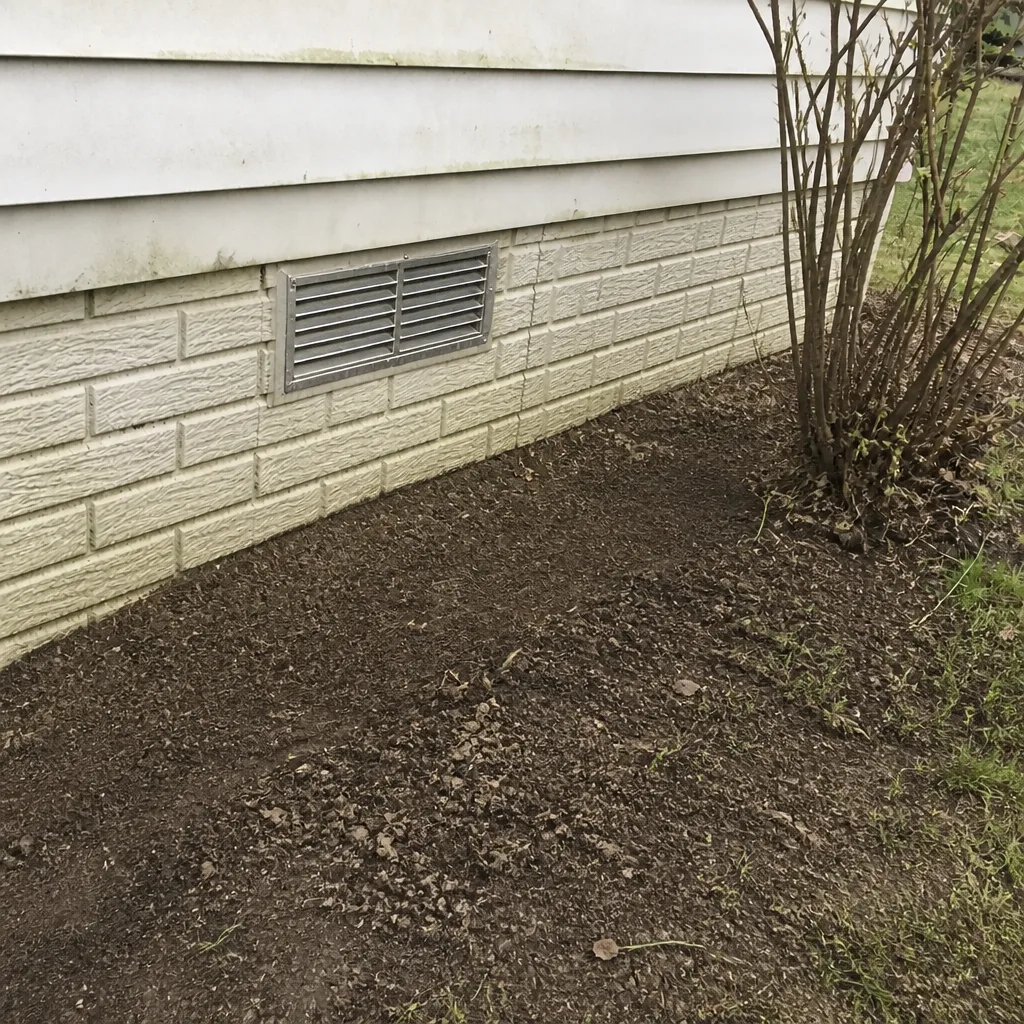 After
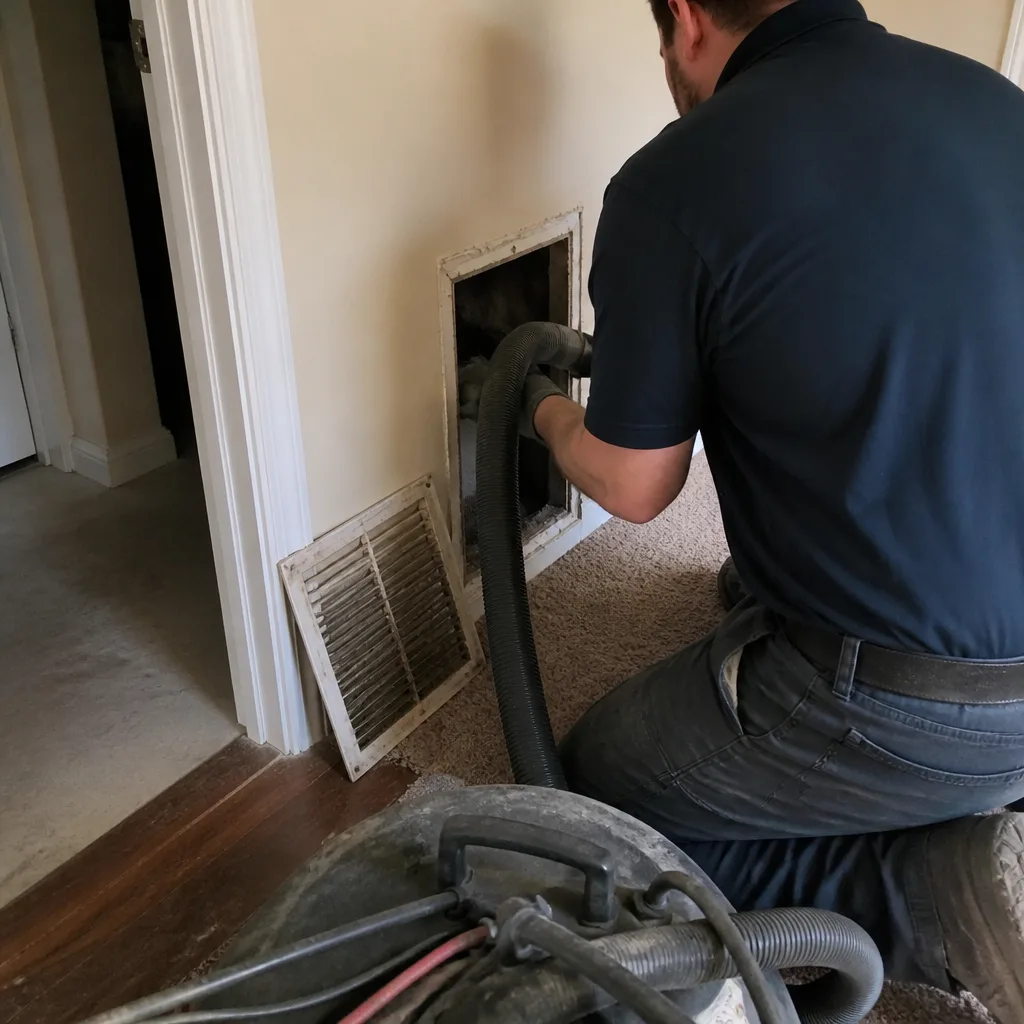 Before
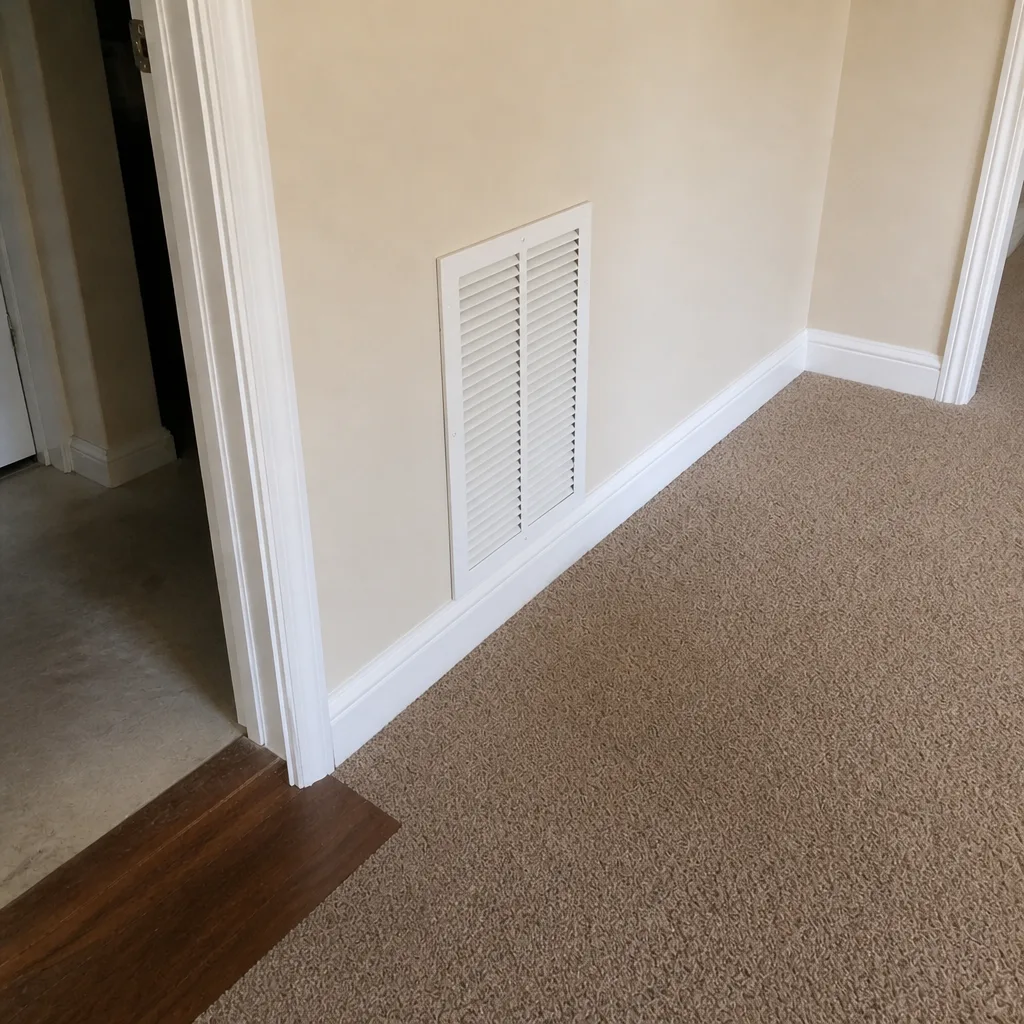 After
Common Mistakes to Avoid
- Cleaning after the season starts instead of before it. The first heating or cooling cycle pushes accumulated debris through the house. Cleaning in the shoulder season means the first run of the new season is clean air, not a dust event.
- Changing filters with the windows open during pollen season. Lexington’s spring pollen load is high enough that an open-window filter change pulls a burst of oak and grass pollen into the return. Change filters with the house closed up.
- Assuming a dirty filter means a clean system. A filter that’s loading fast in a home with no obvious dust source often means air is bypassing the filter through a gap in the slot. Check the gasket before assuming the ducts are the problem.
- Ignoring summer condensation at registers. Beads of water on a supply register in July aren’t always the AC working hard. Persistent wetness points to an insulation or duct issue that gets worse the longer it’s ignored.
- Treating duct cleaning as a fix for a leak. A duct that’s leaking pulls air from the attic or crawlspace no matter how clean it is. Cleaning without addressing the breach leaves you with clean trunks and dirty delivered air.
- Using the most restrictive filter you can buy. In a humid Lexington summer, an over-restrictive filter can push airflow below what the system needs, and that shows up as uneven cooling and strain on the blower.
- Opening the furnace cabinet or the heat exchanger to check it. Gas and electrical components are professional territory. A visual check from outside the cabinet is fine. Anything inside is not a homeowner job.
Frequently Asked Questions
Most Lexington homes benefit from a professional cleaning every few years, but the right interval depends on your house, pets, recent renovations, and allergy situation. The seasonal checks in this guide are the more important rhythm: filter changes four times a year, register and return inspections at each one, and a professional cleaning when the checks show a real problem. Homes with heavy spring pollen exposure, recent construction dust, or occupants with allergies often need a shorter interval. Call (877) 331-2339 for an exact quote. Estimates are free.
Both shoulder seasons are strong choices, and for most homes fall is slightly ahead. Cleaning in fall, before the furnace starts, means the first heating cycle pushes clean air rather than a load of summertime spores and settled debris. Spring cleaning before cooling season is the close second, and the pollen peak makes it valuable for allergy-sensitive households. Cleaning during heating or cooling season still works, but you lose the clean-first-cycle advantage. Call (877) 331-2339 for an exact quote. Estimates are free.
Cost depends on the size of the home, the number of systems, and what the job uncovers once the system is open. What you can rely on with us is one flat price per system, agreed in writing before any work starts. No per-vent pricing. No coupon figure that becomes a larger invoice once the technician is on site. You see before-and-after photos of your own ducts as part of the job, so you know what changed. Call (877) 331-2339 for an exact quote on your home. Estimates are free.
A low teaser price often reflects what’s left out: no containment equipment, no contact agitation, no inspection of the duct integrity, and a job that’s finished before the debris is actually extracted. Our process uses Rotobrush and Nikro contact-cleaning systems and Abatement Technologies containment equipment, and every job includes a look at whether the ducts are intact. A cheap cleaning that leaves debris behind or misses a disconnected run costs more in the end. Call (877) 331-2339 for an exact quote. Estimates are free.
You’ll see before-and-after photos of your own ducts, not generic marketing images. You’ll also see the equipment in use, and you’ll get a written explanation of anything the technician found. Duct cleaning shouldn’t feel like an invisible task. If a technician can’t tell you what was found and show you what changed, that’s a sign the job wasn’t thorough. Call (877) 331-2339 for an exact quote. Estimates are free.
Yes. Lexington’s summer humidity commonly runs above 70%, and cool air moving through a duct run in a hot attic or crawlspace creates a temperature differential that can condense moisture on thin or damaged insulation. Over a season that moisture can lead to biological growth inside the duct, which no filter removes. Persistent condensation at registers, musty smells on cooling startup, and staining near a boot are the signs to watch. Call (877) 331-2339 to get the system inspected. Estimates are free.
The Bottom Line
Air duct care in Lexington works best as a seasonal routine, not a one-time event. Inspect and clean in early spring before cooling season. Watch for summer condensation and musty smells. Clean before heating startup in fall, which for most homes is the single most valuable timing on the calendar. Check for leak symptoms in winter when static pressure is highest. Tie quick visual checks to every filter change. And when a check turns up something real, a visible leak, persistent moisture, debris behind a register, or a whooshing vent, that’s the moment to call. Cleaning handles what’s inside. Repair handles what’s broken. Both matter, and one company that covers both is worth having on your contact list.
For a look at your own system in any season, dryer vent cleaning and Lexington duct work both fall under the same visit. Duct Cleaning Lexington provides free estimates, one flat price per system agreed before work starts, and before-and-after photos of your own ducts. Call (877) 331-2339. We answer 24/7. Fast dispatch from 7am to 7pm, Sunday through Friday.
Written by the team at Duct Cleaning Lexington.