
Last updated November 15, 2026
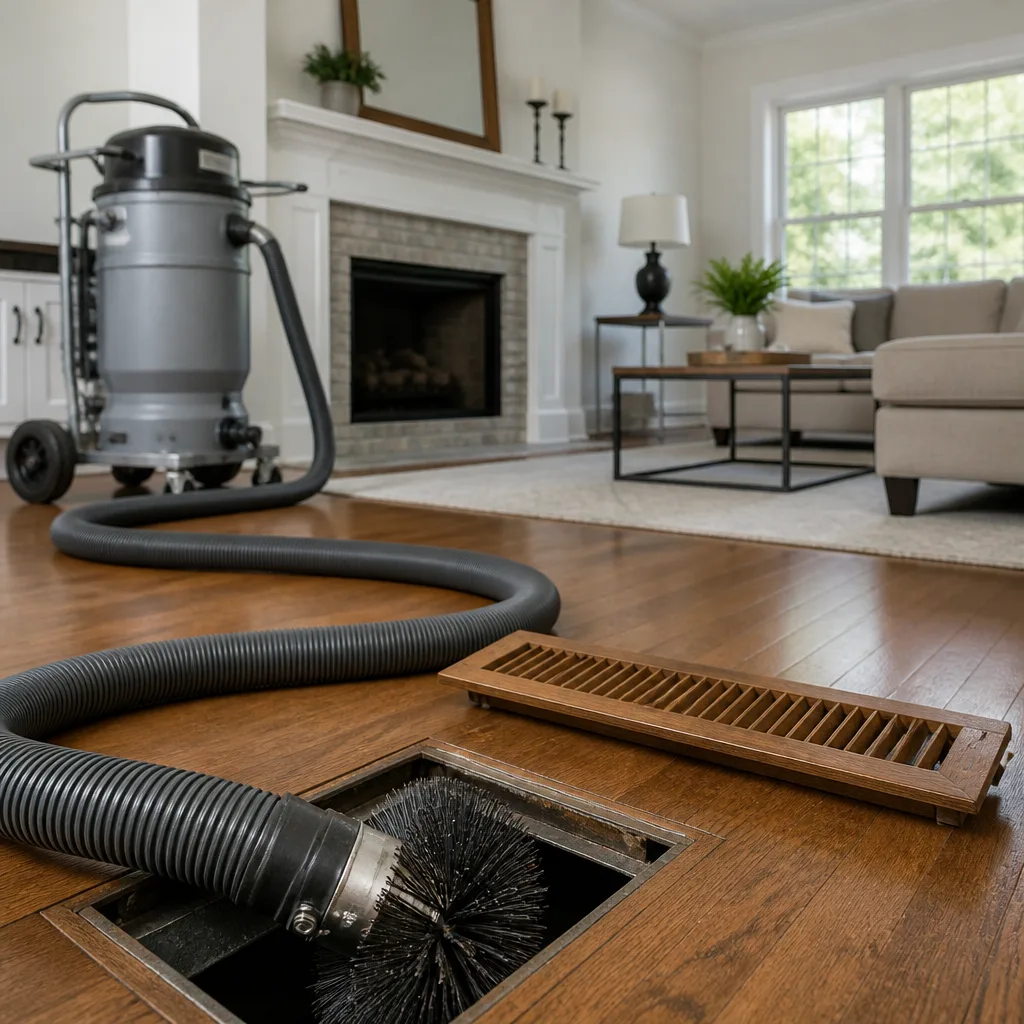 Whole-home duct cleaning
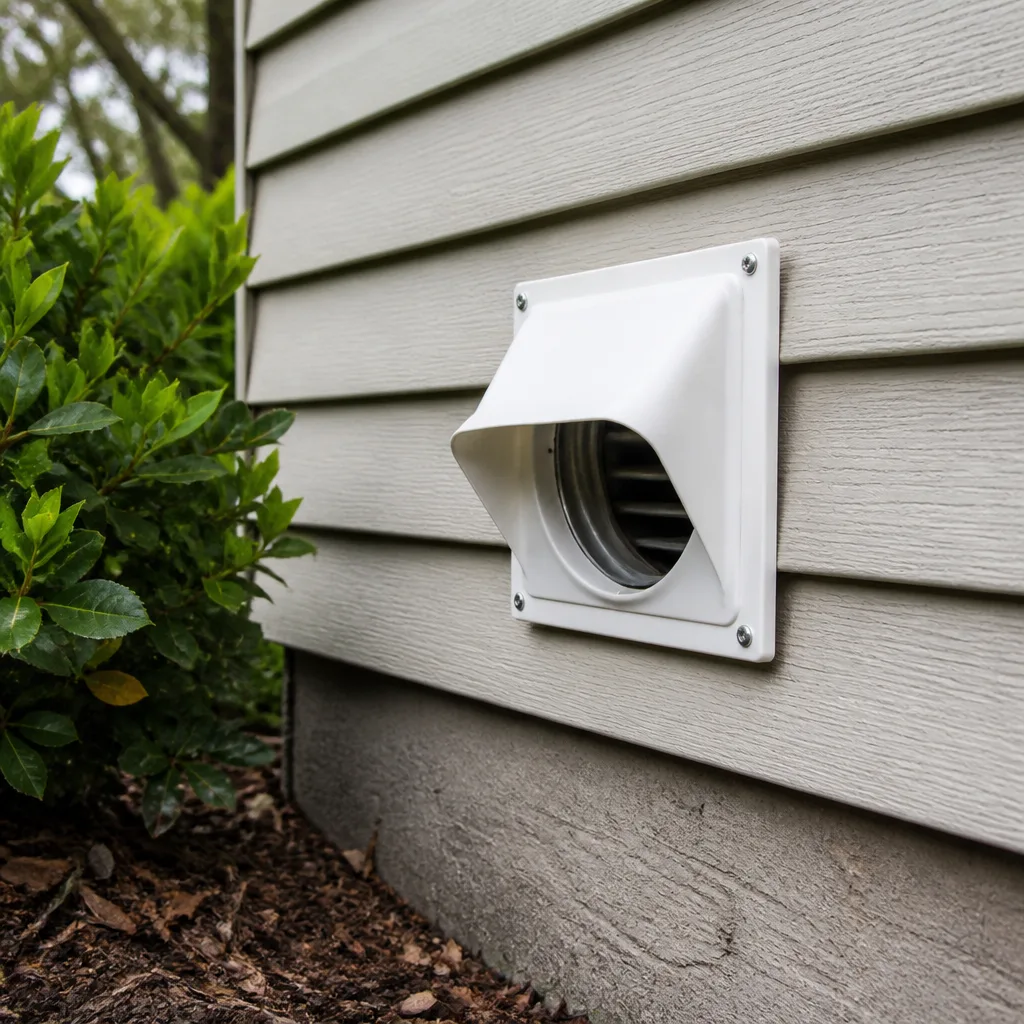 Dryer vent cleaning
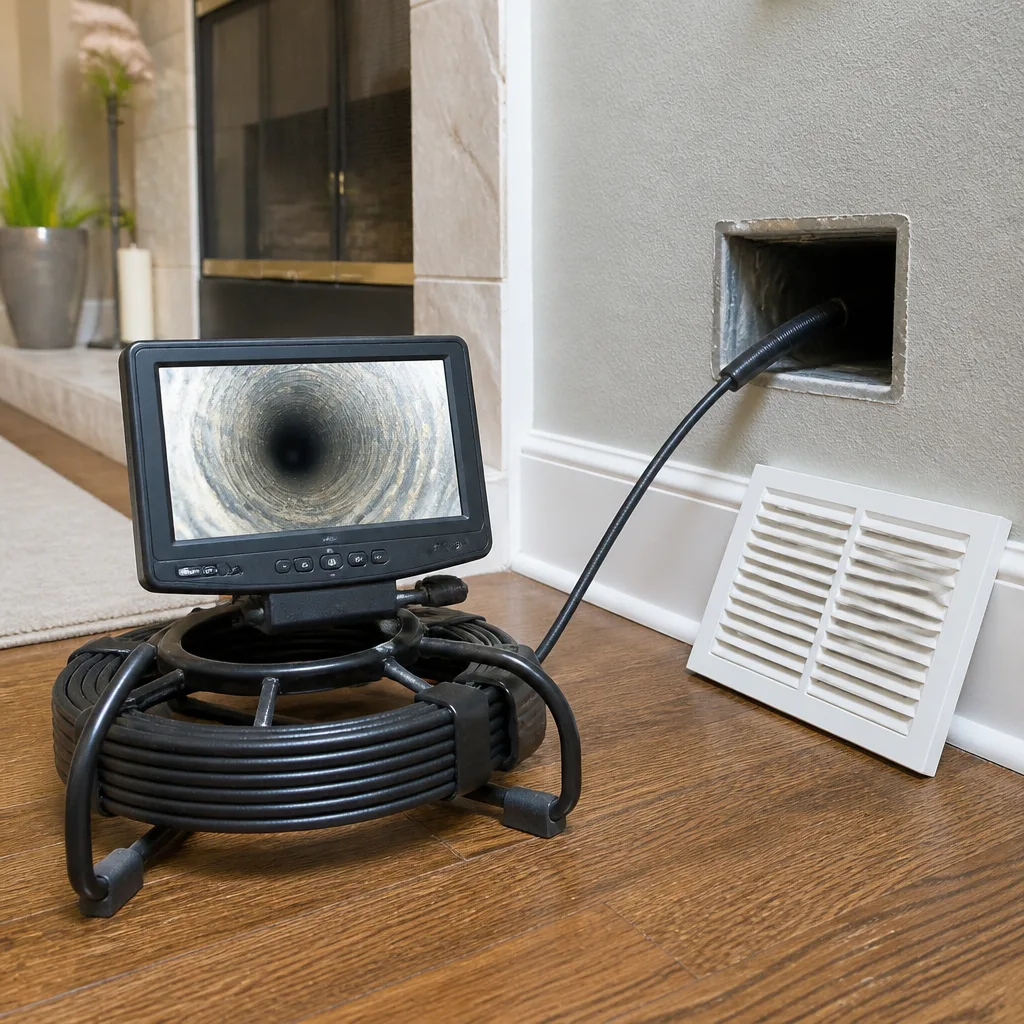 Camera inspection
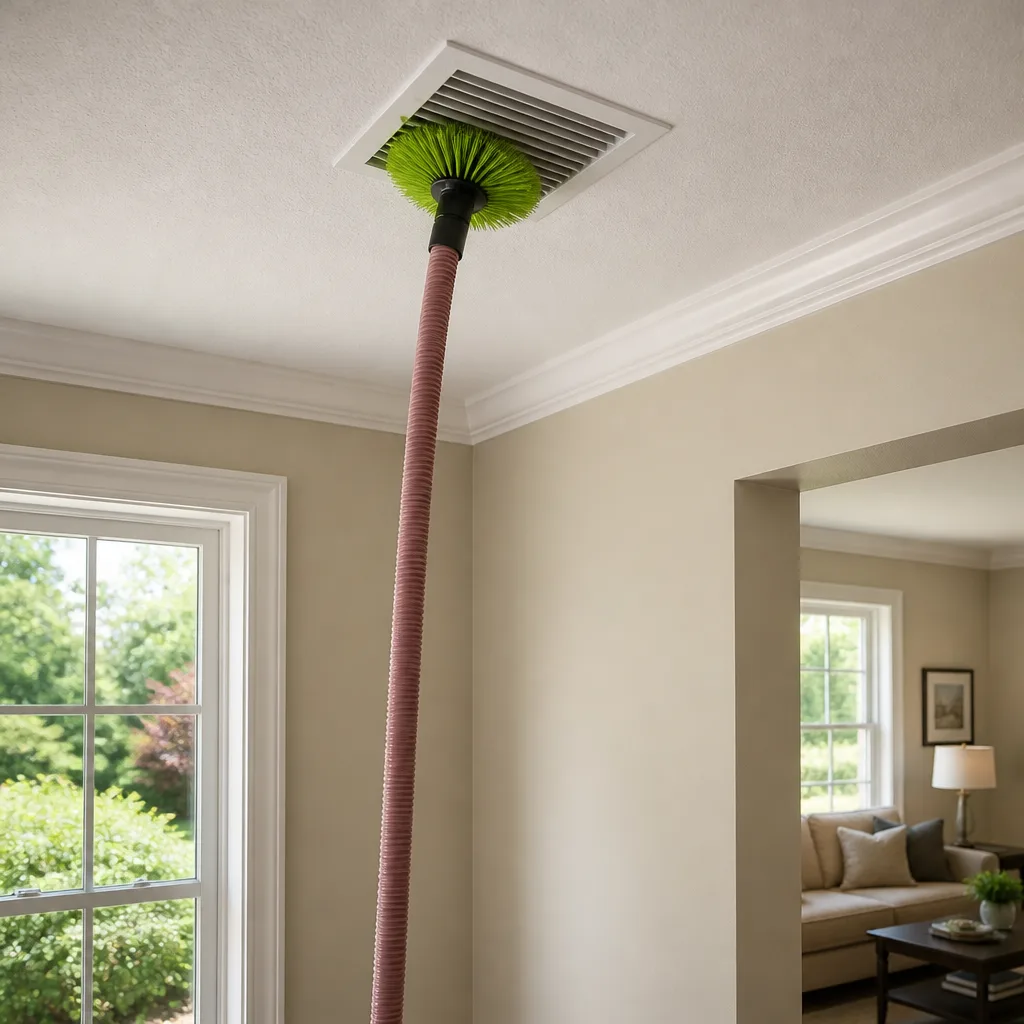 Sanitizing & deodorizing
Whole-system duct and dryer vent check with before-and-after photos - you see exactly what came out of your vents
That "$99 whole-house special" is a bait ad - the real number appears once they are in your hallway, or the "clean" is a shop-vac at the register. We photograph the inside of your ducts before and after instead.
How to Hire an Air Duct Cleaning Contractor in Lexington: A Step-by-Step Guide
Kentucky does not require a specific license to offer duct cleaning services. That single fact changes everything about how you should shop for one. The person who quotes your job may have started a duct cleaning business last month, and there is no state registry to check, no class of license to verify, and no exam they had to pass. Consumer protection in this trade rests almost entirely on the questions you ask before anyone opens your supply registers. That’s not a reason to panic. It’s a reason to be deliberate. In this guide we walk through the exact vetting process we’d want a homeowner in Lexington to use if they were hiring us: the equipment questions, the credential that actually means something, the quote traps to spot, and how to write a scope of work that protects you.
Quick Answer
To hire an air duct cleaning contractor in Lexington, verify three things before you book: that they use a negative-pressure vacuum system with real CFM capacity, that they follow a documented process rather than just “vacuuming the vents,” and that they put a written scope of work in front of you before starting. Ask about NADCA certification, ask what equipment will be on site, and insist on before-and-after photos. Pricing should be per system, not per vent, and the written estimate should be the final word.
Styles & brands we work with
- Whole-home duct cleaning
- Dryer vent cleaning
- Camera inspection
- Sanitizing & deodorizing
Table of Contents
- Why Kentucky’s Licensing Gap Makes Your Due Diligence Matter
- The Equipment Questions That Reveal a Real Duct Cleaning
- What NADCA Certification Actually Requires
- Red Flags in the Quote Process
- How to Structure a Written Scope of Work
- Why You Should Ask About Duct Repair Capability
- How to Verify the Work After the Job
- What’s Specific to Homes in Lexington
Why Kentucky’s Licensing Gap Makes Your Due Diligence Matter
Most trades in Kentucky have a clear licensing pathway. Electricians, plumbers, HVAC technicians – all of them work under state-issued credentials you can look up through the Department of Housing, Buildings and Construction. Air duct cleaning sits outside that framework. There’s no state-issued duct cleaning license, no required apprenticeship, no continuing education mandate. Anyone with a van, a shop vac, and a business card can advertise in Lexington tomorrow.
That’s not a knock on the trade. Plenty of skilled, careful contractors operate without a state credential because none exists. But it does mean the burden of verification shifts to you. The differentiator between a real source-removal cleaning and a $99 vent-wipe has to come from somewhere other than a government registry. It comes from process, equipment, and the specific answers a contractor gives when you ask pointed questions.
Here’s what the licensing gap doesn’t affect, and how you can use it as a buying signal:
- Insurance. Duct cleaning contractors should carry general liability coverage. Ask for a certificate of insurance before work begins. A contractor who can’t produce one is a contractor who’s exposing you to risk if something inside your system gets damaged.
- Business registration. Kentucky requires every business operating in the state to register with the Secretary of State and collect sales tax where applicable. A quick search is public and free.
- References from your own neighborhood. Callers in Lexington neighborhoods like Beaumont, Hamburg, and Chevy Chase often have the most useful referrals. Ask a neighbor whose home was built around the same time as yours – they’ll have similar duct layouts and similar material types.
Use all three together. None of them alone is definitive, but a contractor who clears all three is a much safer bet than a business that only has a working phone number.
The Equipment Questions That Reveal a Real Duct Cleaning
Equipment questions are the highest-value thing you can ask a prospective contractor, because the answers are hard to fake on the phone and even harder to fake in your driveway. Real duct cleaning depends on two things: physical agitation of the debris inside the ducts, and a vacuum strong enough to hold a negative pressure while you work. If either one is missing, the “cleaning” just loosens dust that settles back down within a day.
Ask these three questions verbatim:
- “What kind of vacuum will be on site?” You want to hear “negative pressure system,” “truck-mounted,” or “portable negative-pressure unit.” You do not want to hear “shop vac” or “our portable cleanup machine.” A true negative-pressure unit holds your entire duct system at a slight vacuum so loosened debris has nowhere to go but into the equipment. Systems like the Rotobrush and Nikro platforms are built for exactly this.
- “What’s the CFM rating on your vacuum?” CFM stands for cubic feet per minute – the volume of air the machine can move. Truck-mounted units typically run into the thousands of CFM. Portable negative-pressure units for residential work are lower, but they still need enough capacity to hold containment while a brush is agitating inside. If the contractor can’t answer the question, that’s the answer.
- “What kind of brushes and agitation tools will you use?” The best systems use a combination of rotary brushes, whip systems, and compressed-air tools (sometimes called skipper balls) to break debris loose from duct walls. A contractor who plans to just turn on suction and wait won’t get far inside corrugated flex duct, where dust and debris cling to every ridge.
One more piece of equipment worth asking about: air scrubbing and containment. Professional-grade operations use HEPA air scrubbers on site during the job, so the air your family is breathing while the work happens stays clean. Brands like Abatement Technologies build this exact equipment – the same gear used in remediation and restoration work, brought into a residential job.
You don’t need to become an HVAC technician to ask these questions. You just need to know that the answers exist, and that a contractor who knows their equipment will answer confidently. A contractor who stumbles is telling you something useful.
What NADCA Certification Actually Requires
NADCA stands for the National Air Duct Cleaners Association, and its Air Systems Cleaning Specialist (ASCA) certification is the closest thing the trade has to a real credential. It’s not a state license, and it doesn’t replace insurance or business registration, but it’s a meaningful third-party standard – and it’s the one to ask about first.
Here’s what NADCA certification actually involves:
- A written exam. Technicians have to pass a professional exam covering duct system assessment, cleaning methodology, and contamination control. It’s not a pay-to-play certificate.
- Adherence to ACR, the Assessment, Cleaning, and Restoration standard. This is NADCA’s published standard for how a duct cleaning job should be planned, executed, and verified. It defines when cleaning is appropriate, how it should be performed, and what constitutes a completed job.
- Continuing education. ASCA certification requires ongoing training to stay current, which means a certified contractor is still learning the trade rather than relying on a course they took years ago.
When you ask “Are you NADCA certified?” you’re asking several things at once: whether the technicians on your job have been trained to a published standard, whether the company follows ACR process, and whether they invest in their people. The answer tells you more in fifteen seconds than an hour of website reading.
That said, certification is a floor, not a ceiling. Plenty of competent contractors in Lexington do excellent work without it, and a handful of certified contractors run lean operations that don’t deliver on the promise. Treat certification as one signal among several – useful, but not a substitute for the equipment questions in the previous section.
Ask also about technician experience. Our technicians have up to 8 years of experience, and we think that specific number matters more than a generic “years of service” claim. Ask any contractor you’re considering the same question about their techs, specifically. Experience lives with the people doing the work, not the logo on the van.
Red Flags in the Quote Process
The quote process is where opportunistic contractors reveal themselves. The right questions get them talking; the wrong answers to your follow-ups confirm it. Watch for these patterns:
- Per-vent pricing. A quote of “$30 per vent” or “$49 per register” sounds transparent but punishes you for having a larger home, and gives the contractor no reason to actually clean each vent well. Reputable duct cleaning is priced per system, not per opening. The system is what gets cleaned, and the system is what should be quoted.
- Teaser pricing that balloons on site. A coupon price of $79 or $99 for “whole-house duct cleaning” is almost always a lead-in. Once the technician is inside, the scope expands, and the invoice lands somewhere very different from the flyer. Ask explicitly: “Is this quote the full price, or can it change based on what you find?” A contractor who can’t answer that with a straight “this is the price” is telling you something.
- Antimicrobial upsell pressure. Antimicrobial coatings and chemical fogging are not standard parts of a duct cleaning. Most residential duct systems don’t need them, and EPA-registered antimicrobials are not a substitute for actually removing the debris. A contractor who pushes these aggressively before they’ve even seen your ducts is selling product, not process.
- Vague scope language. “Full service duct cleaning” and “complete system sanitization” are marketing phrases, not scopes of work. Ask for specifics: which components, how many access points, what equipment, and what verification you’ll receive at the end.
- No before-and-after photos. Photos through cut access points are the cheapest possible verification. A contractor who doesn’t offer them either isn’t taking them, or doesn’t want you seeing the results.
- Same-day-only pricing. A contractor who says “the quote is only valid today” or “the discount expires when I leave your driveway” is using urgency as a sales tactic. Real pricing is stable and can be put in writing without a countdown.
One honest note: not every contractor who quotes per vent is a scammer, and not every flat quote is fair. But in a market with no licensing floor, the pricing structure is one of the few signals you have about how a contractor thinks. Per system pricing reflects a company that has to know the job before it quotes it.
How to Structure a Written Scope of Work
Before any contractor puts equipment on your property, you should have a written scope of work in hand. This is the single most protective document in the hire. It doesn’t have to be fancy – a single page emailed to you is enough – but it should contain these elements:
- The specific components being cleaned. Supply ducts, return ducts, plenum, registers, grilles, and the air handler cabinet should each be named, or the scope should say clearly which ones are excluded. “Whole system” is not specific enough. “All supply and return trunks and branches, all registers and grilles, and the blower wheel” is.
- The number and location of access points. Real cleaning usually requires cutting access holes in the ductwork so the brush and vacuum hose can reach the interior. The scope should say how many holes will be cut and where. Ask whether access panels will be left in place or sealed when the job is done. Contractors who clean without cut access often skip the trunks entirely.
- The equipment on site. Negative-pressure vacuum make and model, agitation tools, and air scrubbers. If the scope doesn’t list equipment, add it before signing.
- The verification process. Before-and-after photos through at least one access point per major duct run. A post-cleaning confirmation that airflow at registers is unobstructed.
- The price, as a single number. One flat price for the whole system. It should be the final price, not a starting point that gets adjusted based on what’s found.
- The cleanup expectation. Who patches access holes, who cleans up dust, and how any damaged ductwork is handled.
We put this in writing on every job in Lexington because it removes ambiguity for both sides. When you have a scope of work in hand, the contractor knows precisely what they’ve committed to, and you know precisely what you’re paying for. It also gives you something concrete to compare if you collect multiple quotes – three vague quotes are worthless, three scoped quotes give you real information.
If a contractor resists putting their scope in writing, that’s your answer. Move on.
Why You Should Ask About Duct Repair Capability
Here’s a question almost no homeowner asks, and it’s the one that saves the most money and aggravation: “If you find damaged ductwork during the cleaning, can you repair it?”
Most duct cleaning contractors are cleaners only. When they find a torn flex duct joint, a separated trunk connection, or a collapsed section buried in the attic, they can only tell you about it. You then have to hire a separate HVAC contractor, wait for them to visit, pay for a diagnostic, and hope their schedule lines up. On a small repair, the second service call often costs more than the repair itself.
The alternative is a contractor who cleans and repairs in the same visit. A duct cleaning, when done carefully with real access cut into the system, reveals almost every integrity problem your ducts have. Torn flex duct is common in older Lexington homes, especially where flexible runs pass through unconditioned attic space. Separated connections at trunk collars are also common, and they’re the quiet cause of a lot of the dust you see on your registers. A cleaner who can also repair what they find closes the loop in one job.
Ask three repair-related questions before you book:
- Do you repair ductwork, or only clean it?
- What kind of repair capability do you have – tape, mastic, mastic-sealed connections, replacement of flex duct runs?
- If you find a problem during cleaning, is the repair quoted separately and priced in writing before work proceeds?
Air duct repair belongs in the same conversation as air duct cleaning because the two naturally happen together. If your contractor can do both, you avoid the second visit entirely.
How to Verify the Work After the Job
A duct cleaning job isn’t done until you’ve seen evidence it was done. You don’t need to climb into the attic or shine a flashlight down a return trunk. You just need to ask, before booking, what verification you’ll receive.
Here’s what a credible contractor should offer:
- Before-and-after photos from inside the ductwork. Taken through cut access points, not just at the registers. The photos should show the same section of duct before and after cleaning, so you can see what was removed.
- A short walkthrough at the end of the job. Your contractor should walk you through what was found and what was cleaned, including any repairs made.
- Verification that every register is moving air. A quick check that each supply register has airflow after the job. If one is blocked, that’s a finding worth knowing about.
- Written confirmation of the job performed. What was cleaned, any repairs made, and any recommendations for the next visit.
Verification is also where a company’s real accountability lives. If you call your contractor three weeks later with a question, will they answer? Do they have a service record of your job? A contractor who documents thoroughly is a contractor you can call back. One who left no paper trail is a stranger again.
In our experience, the sign of a careful duct cleaning job isn’t dramatic. It’s that every register moves air a little better, the dust on your furniture settles a little less, and the written record matches what actually happened. That’s the standard to hold a contractor to.
What’s Specific to Homes in Lexington
Lexington’s housing stock has some local quirks worth knowing about when you’re planning a duct cleaning. The older neighborhoods closer to downtown and the university – Chevy Chase, Ashland Park, and the streets around Woodland – have houses that are often eighty or a hundred years old. Those homes were built before air conditioning was standard, which means their duct systems were retrofitted into spaces that weren’t designed for them. Retrofits often use flexible duct runs through tight cavities and unconditioned attic spaces, and those flex runs are where duct integrity problems show up.
Newer Lexington subdivisions in areas like Hamburg, Beaumont, and Andover tend to use more standardized duct systems, but they’re not exempt from cleaning needs. New homes built in the last fifteen years often have enclosed chases that are harder to access for cleaning, which means cutting access points is even more important. A contractor who shows up expecting to reach interior trunk lines without cutting access in a newer Lexington home is likely skipping the trunk entirely.
Lexington’s humidity is another factor. Summers here run humid, and ducts that pass through unconditioned space can develop condensation issues on the outside of the duct. That’s not a reason to panic, but it’s a reason to mention your climate to a contractor before the job, so they can factor it in when checking for problems. Spring pollen season is also worth noting – Lexington’s tree and grass pollen counts are high through the spring, and a duct system that’s pulled pollen-laden outdoor air into the return over a season benefits from a real cleaning in ways a system in a drier climate might not.
None of this makes Lexington homes uniquely problematic. It just means local knowledge matters when you’re interviewing a contractor. A guide to Lexington duct systems that would apply in any market without local specificity isn’t much of a guide.
Common Mistakes to Avoid
- Choosing on price alone. The cheapest quote in Lexington is often the cheapest for a reason: no real vacuum, no access cutting, and a technician who spends an hour in your home without touching the interior of your ducts. Price matters, but it shouldn’t be the deciding factor when the credentials to check are so few.
- Skipping the equipment questions entirely. It’s easy to assume any company that advertises duct cleaning has the right gear. The questions in this guide take five minutes on the phone and will save you real money.
- Accepting a per-vent price. Per-vent quotes encourage a rush through each register and often don’t include the trunks or air handler. Insist on per-system pricing.
- Not asking about access points. A cleaning with no cut access is a surface cleaning at best. If the scope doesn’t say how many access points will be created and where, ask before you book.
- Forgetting the dryer vent while you’re at it. dryer vent cleaning is a separate service, but the right contractor can often handle both in one visit. Lint accumulation in dryer vents is one of the leading causes of residential fires, and a duct cleaning visit is a good time to address it if you haven’t in a while.
- Believing the antimicrobial upsell. Unless your contractor has physically inspected the system and found specific evidence of microbial growth, an antimicrobial treatment is a product, not a service. Skip it unless there’s a reason.
- Not getting anything in writing. Verbal scopes disappear the moment a technician is in the driveway. A written scope of work protects you from scope creep and gives you something concrete to compare against other quotes.
See the difference
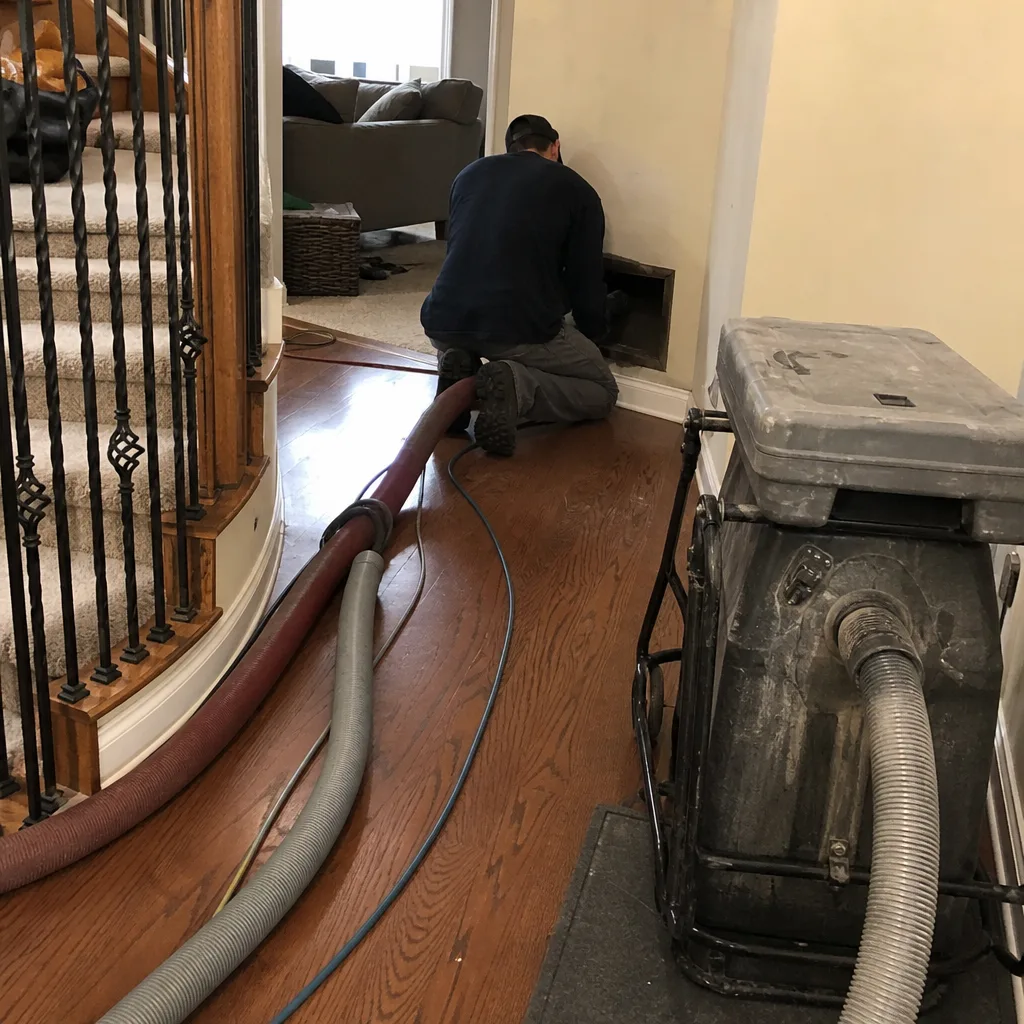 Before
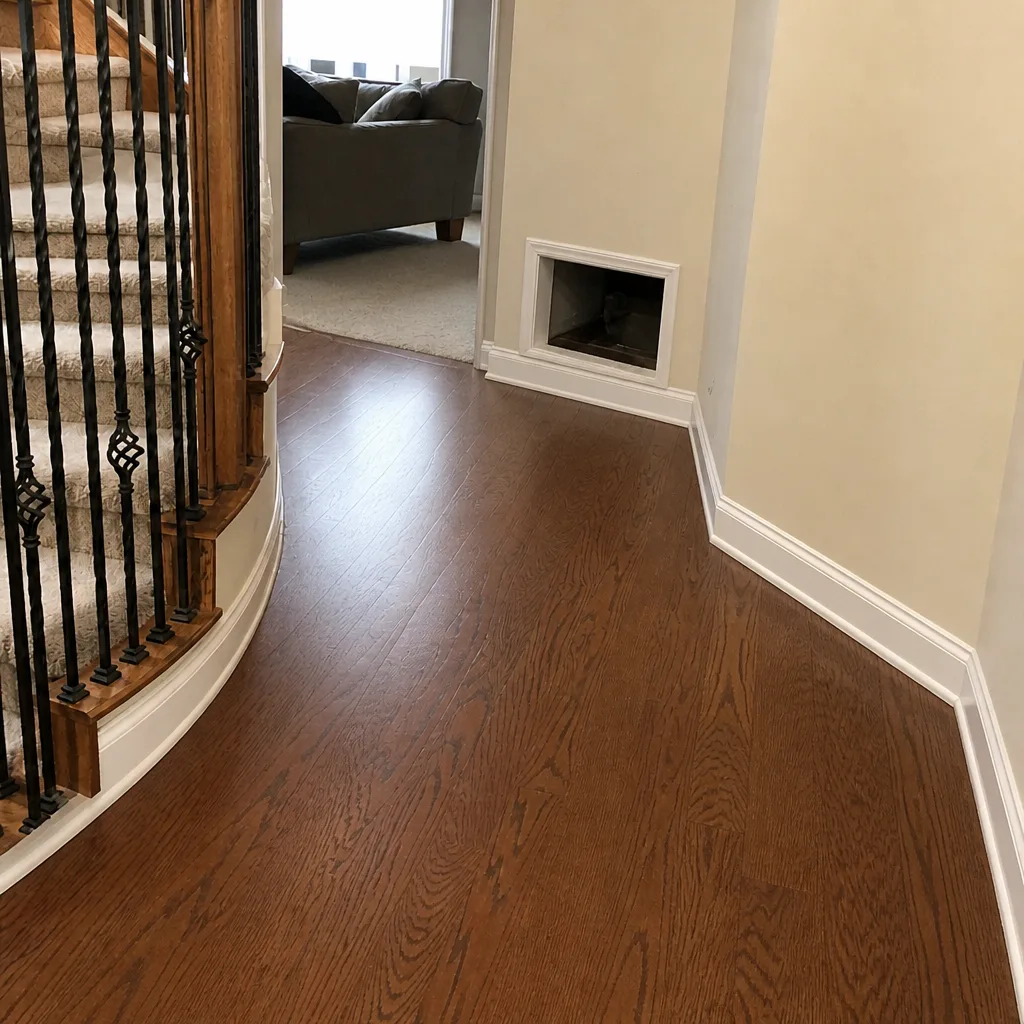 After
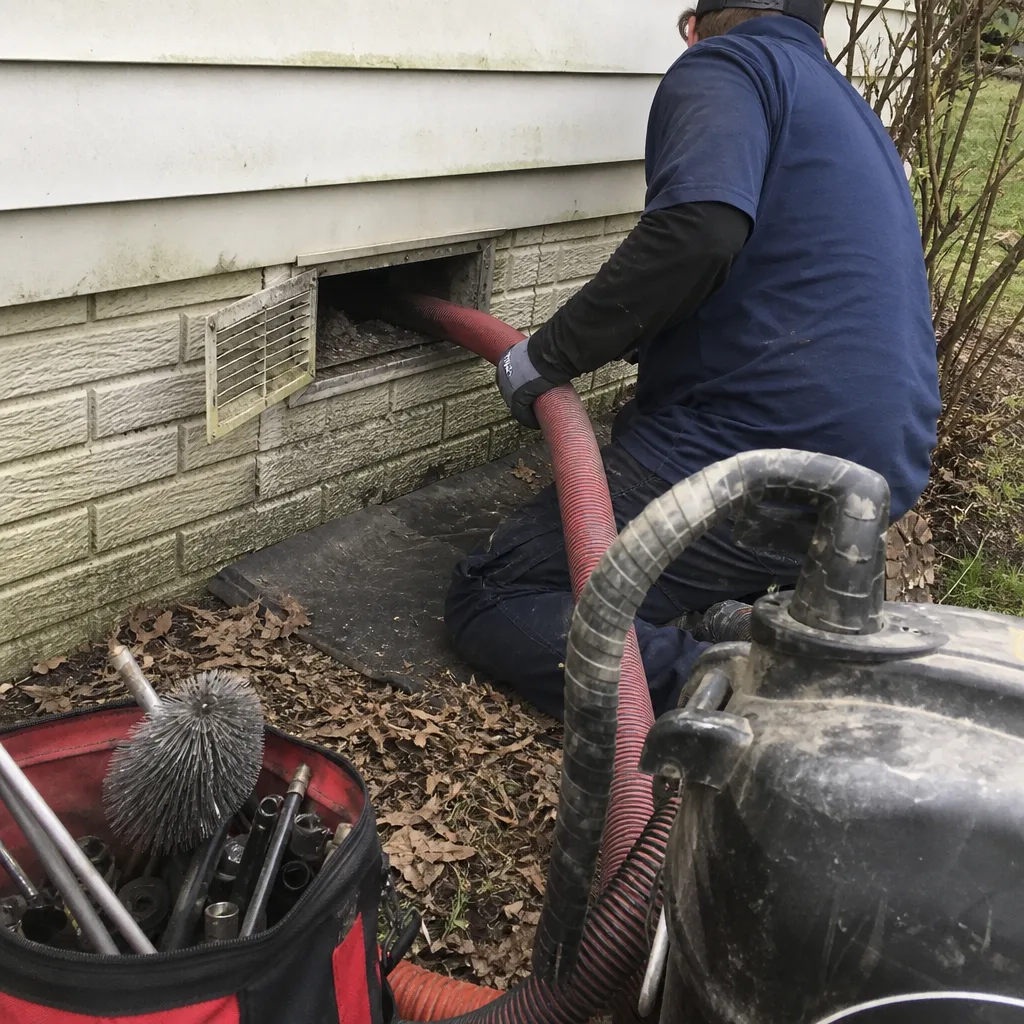 Before
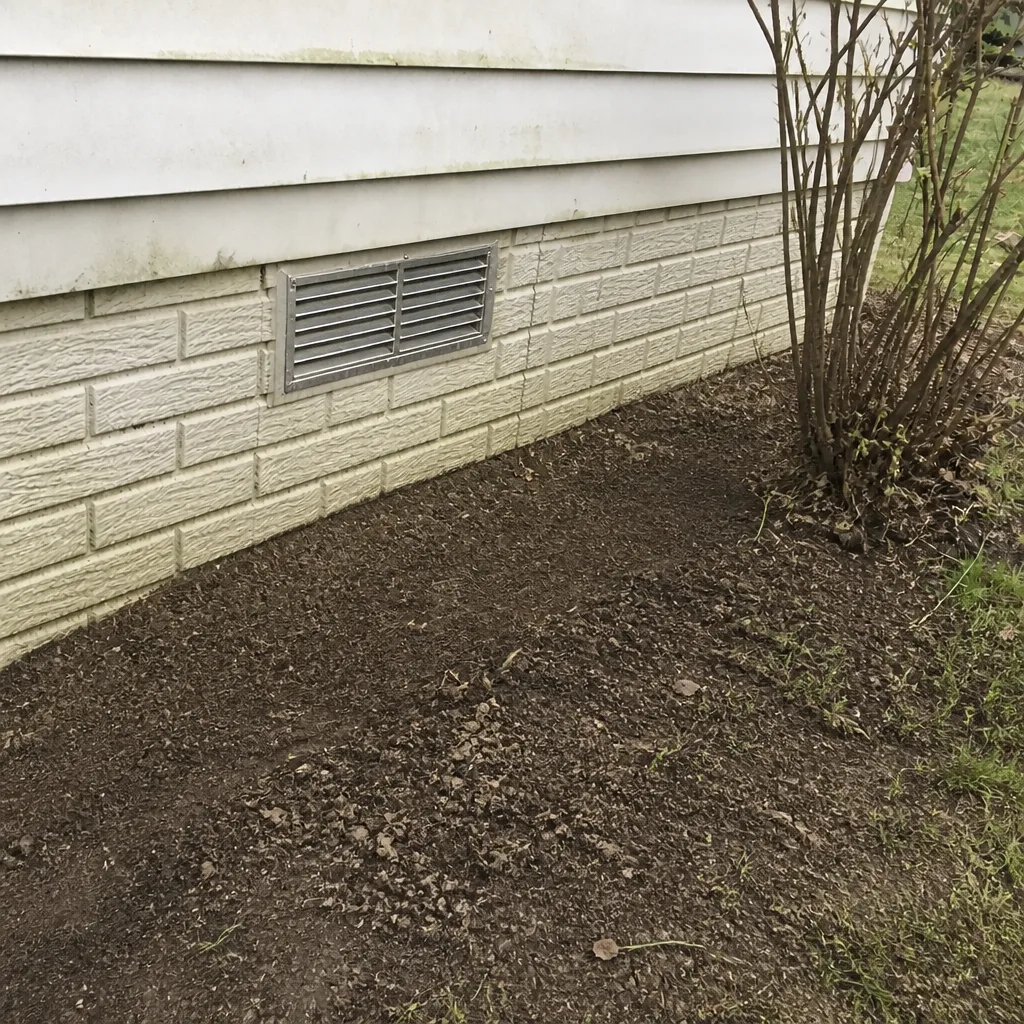 After
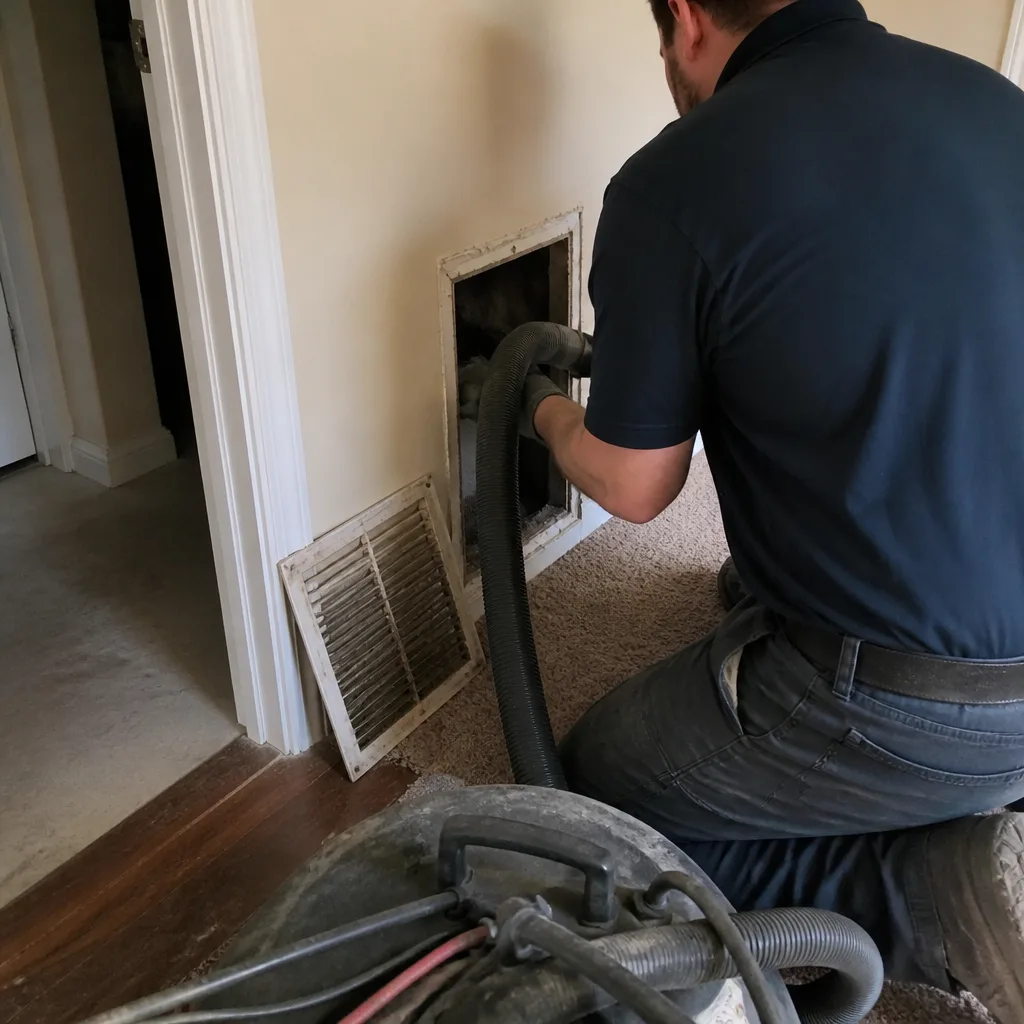 Before
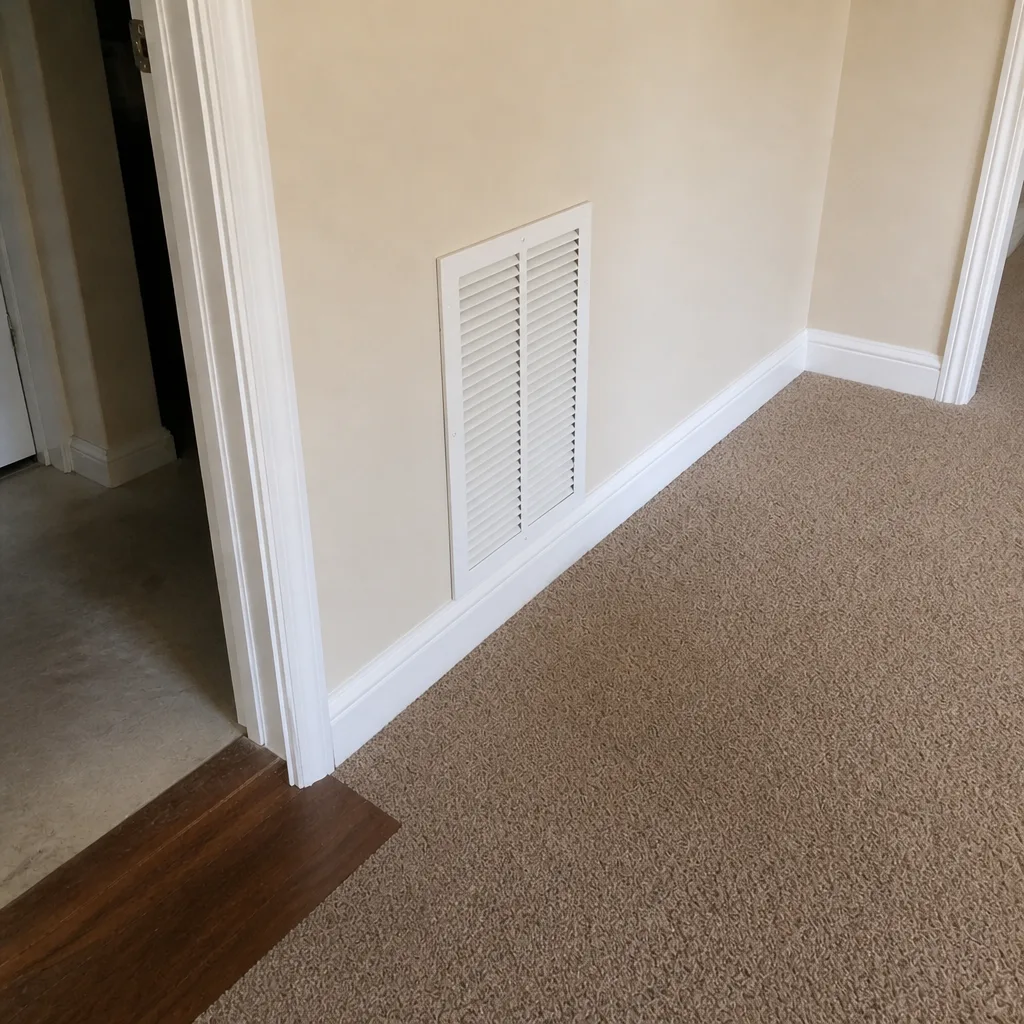 After
When to Call a Professional
Duct cleaning isn’t a job for a homeowner with a shop vac, and it’s not a job for “some guy” who does handyman work on the side. The moment you notice visible dust plumes from supply registers, a persistent musty smell that doesn’t go away after cleaning the coil, or a sudden increase in allergy symptoms indoors compared with outdoors, it’s time to have your ducts assessed. Recent renovations are another clear trigger – drywall dust and construction debris settle into return ducts and don’t come out with a household vacuum. If your HVAC system hasn’t been serviced in years, or if you’ve just moved into a home in Lexington with unknown service history, a cleaning is worth considering.
If you’re ready to have a contractor look at your system, Duct Cleaning Lexington offers free estimates in Lexington – call (877) 331-2339. We answer 24/7. Fast dispatch from 7am to 7pm, Sunday through Friday. Our technicians have up to 8 years of experience, we’re licensed and insured, and we put a written flat price per system in front of you before any work begins. You’ll see before-and-after photos of your own ducts when we’re done, and if we find damaged ductwork during the cleaning, we can repair it in the same visit. That’s Duct Cleaning Lexington: cleaning, repair, and the whole-home air quality conversation under one call.
Frequently Asked Questions
Whole-system air duct cleaning in Lexington typically runs in the low-to-mid hundreds of dollars for a standard home, and larger homes or systems with significant duct damage land higher. The exact price is set per system by the written estimate, not per vent. Be skeptical of advertised numbers far below that range – they usually reflect a scope that doesn’t include the trunk lines or the air handler. Call (877) 331-2339 for an exact quote – estimates are free.
Cheap quotes are usually cheap for one of three reasons: no real negative-pressure vacuum on site, no access points cut to reach the interior of the ducts, or a scope that excludes the trunks and air handler. In each case you’re paying for a service that doesn’t match the description. Ask what equipment will be on site and where access will be cut – the answers will tell you quickly whether the cheap quote is actually a bargain. Call (877) 331-2339 to compare against a real scoped estimate.
Ask for before-and-after photos taken through the access points inside your ductwork, not just at the registers. Photos are the cheapest, most honest verification available, and a contractor who doesn’t offer them is telling you something. We photograph every job we run in Lexington. Call (877) 331-2339 to schedule an estimate.
No. Kentucky doesn’t require NADCA certification, and it doesn’t require any duct cleaning license at all. NADCA’s ASCA certification is a voluntary third-party credential, which is exactly why asking about it is useful – it tells you whether a company invests in training that no regulator forced them to do. It’s the single most reliable credential to request even though it isn’t legally mandated.
For most homes in Lexington, duct cleaning every three to five years is reasonable, and many homes can go longer. Recent renovations, pets, allergies, or a system that’s never been cleaned push that timeline up. The honest answer is that duct cleaning should be driven by evidence – visible debris, musty odors, or a system that hasn’t been touched in years – rather than a fixed calendar. Call (877) 331-2339 and we’ll help you assess whether it’s time.
Sometimes, but not always – most duct cleaning contractors clean only and can’t repair what they find. When a torn flex duct or separated trunk connection turns up, you’d need a second contractor and a second service call. Ask upfront: “Can you repair ductwork, or only clean it?” One call covers it if the answer is yes, and that saves both time and money.
Yes – professional-grade equipment matters in a home as much as in a commercial building. We use Rotobrush and Nikro systems for contact cleaning and negative-pressure extraction, Abatement Technologies equipment for containment and air scrubbing on site, and we recommend Honeywell and Aprilaire products for whole-home filtration when a cleaning reveals an opportunity to improve air quality. Call (877) 331-2339 to ask equipment questions before you book.
We answer 24/7. A call outside dispatch hours is booked into the next opening, Sunday through Friday, 7am to 7pm. No voicemail, no waiting until Monday.
The Bottom Line
Kentucky’s lack of a duct cleaning license doesn’t have to make hiring a contractor in Lexington a guessing game. The path forward is straightforward: ask equipment questions, request NADCA certification, refuse per-vent pricing, insist on a written scope of work with access points and verification spelled out, and confirm the contractor can repair what they find. Those five steps separate credible contractors from opportunistic ones faster than any review site. When you’re ready to compare a real scoped estimate against what you’ve been quoted elsewhere, call Duct Cleaning Lexington at (877) 331-2339. We answer 24/7. Fast dispatch from 7am to 7pm, Sunday through Friday. Free estimates, one flat price per system agreed before work starts, and before-and-after photos of your own ducts when the job is done.
Written by the team at Duct Cleaning Lexington.