
Last updated November 15, 2026
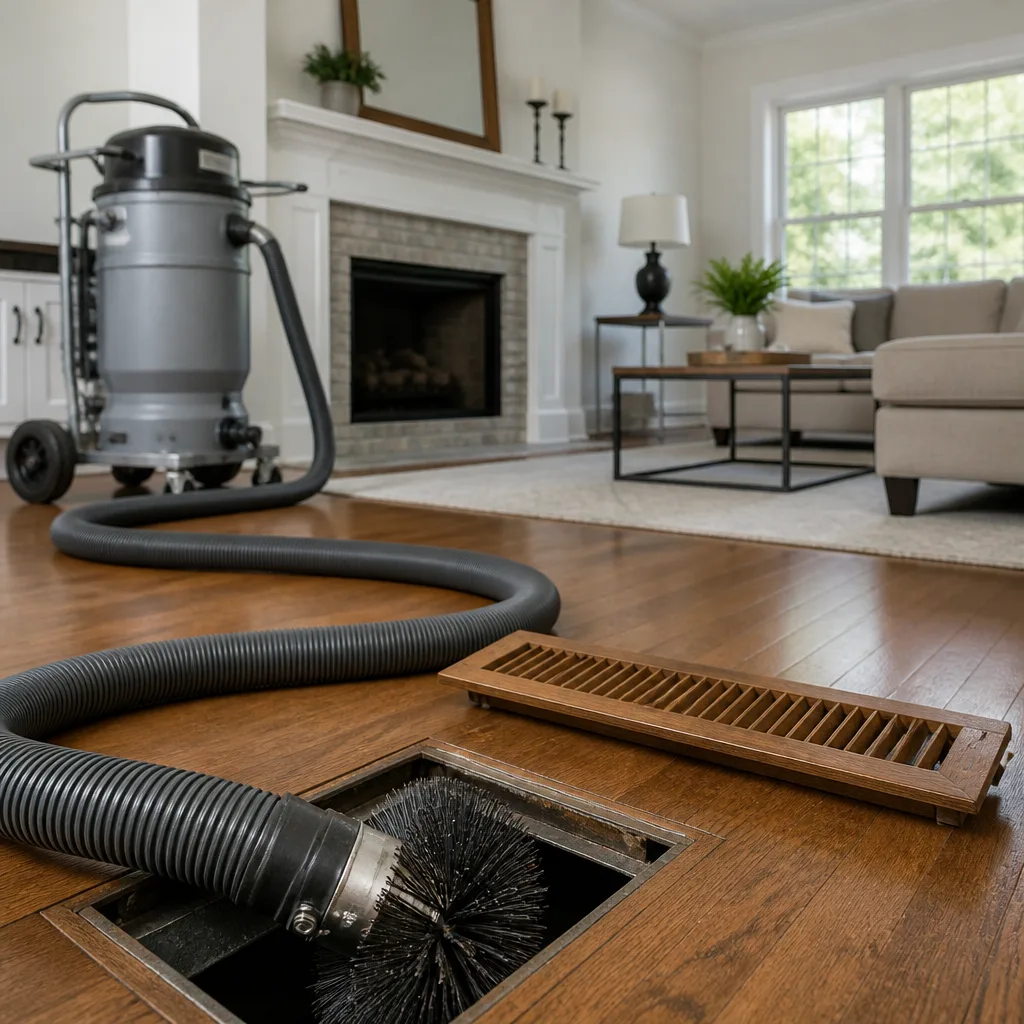 Whole-home duct cleaning
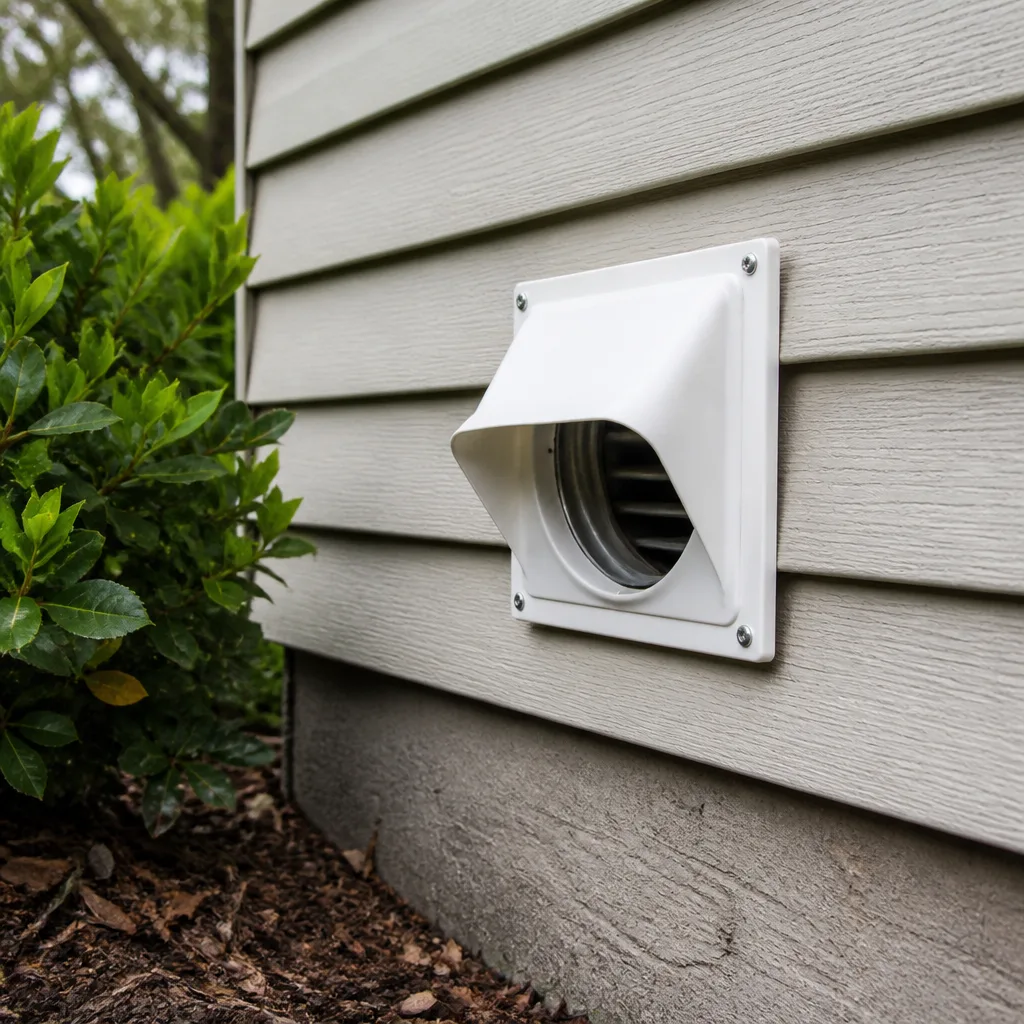 Dryer vent cleaning
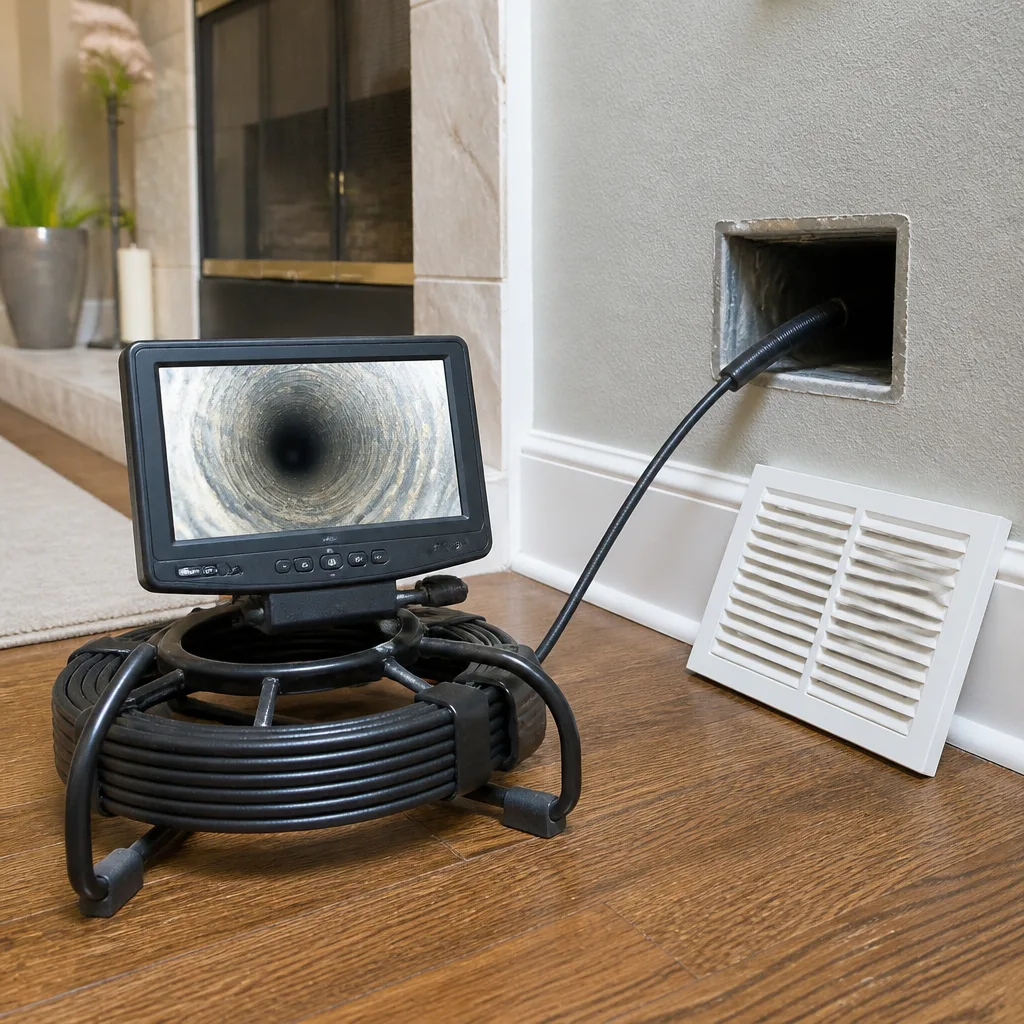 Camera inspection
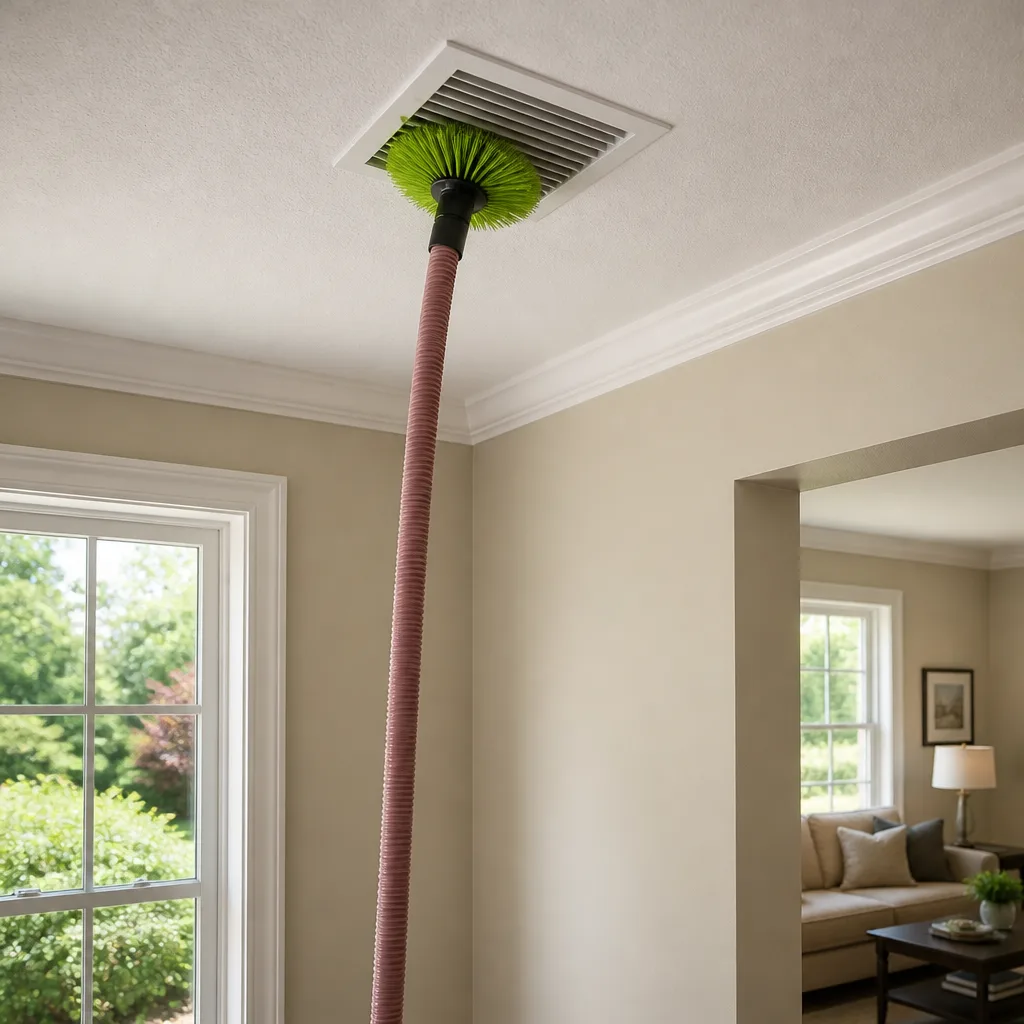 Sanitizing & deodorizing
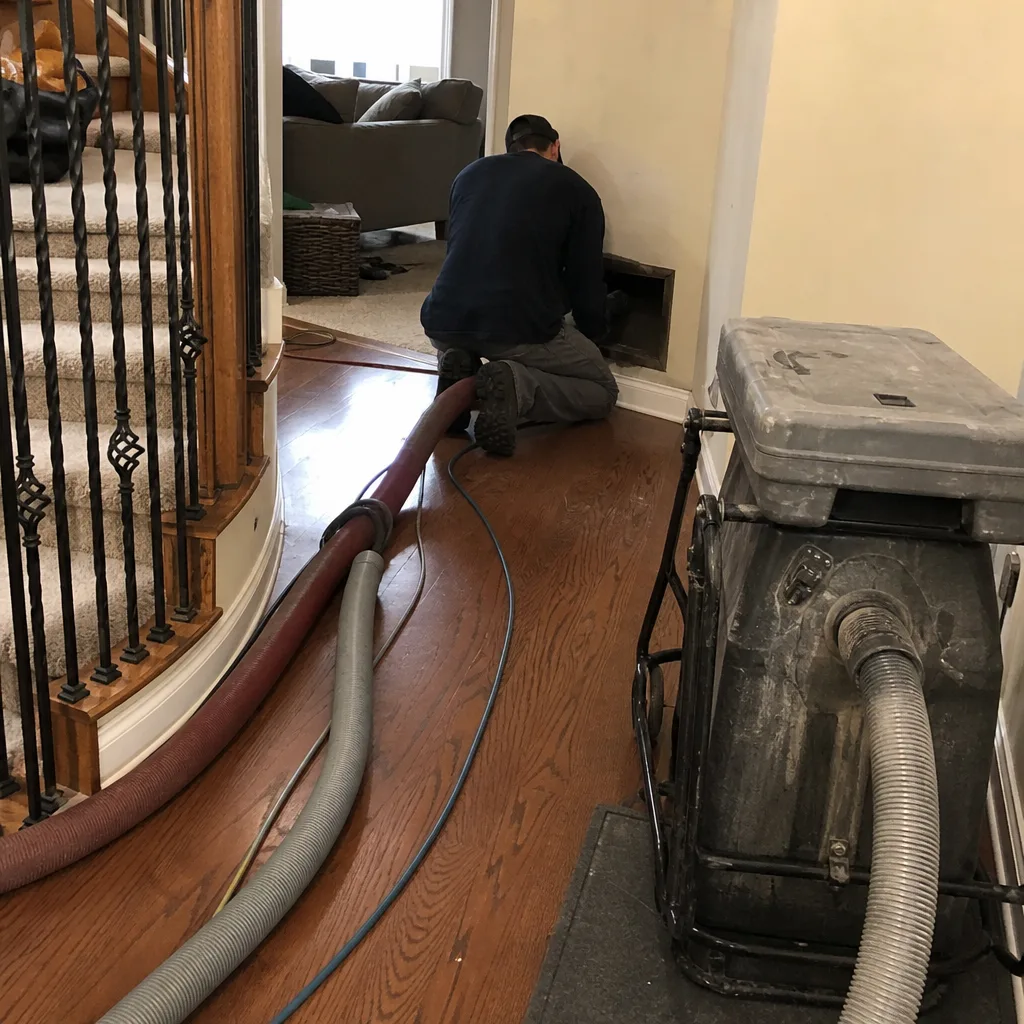
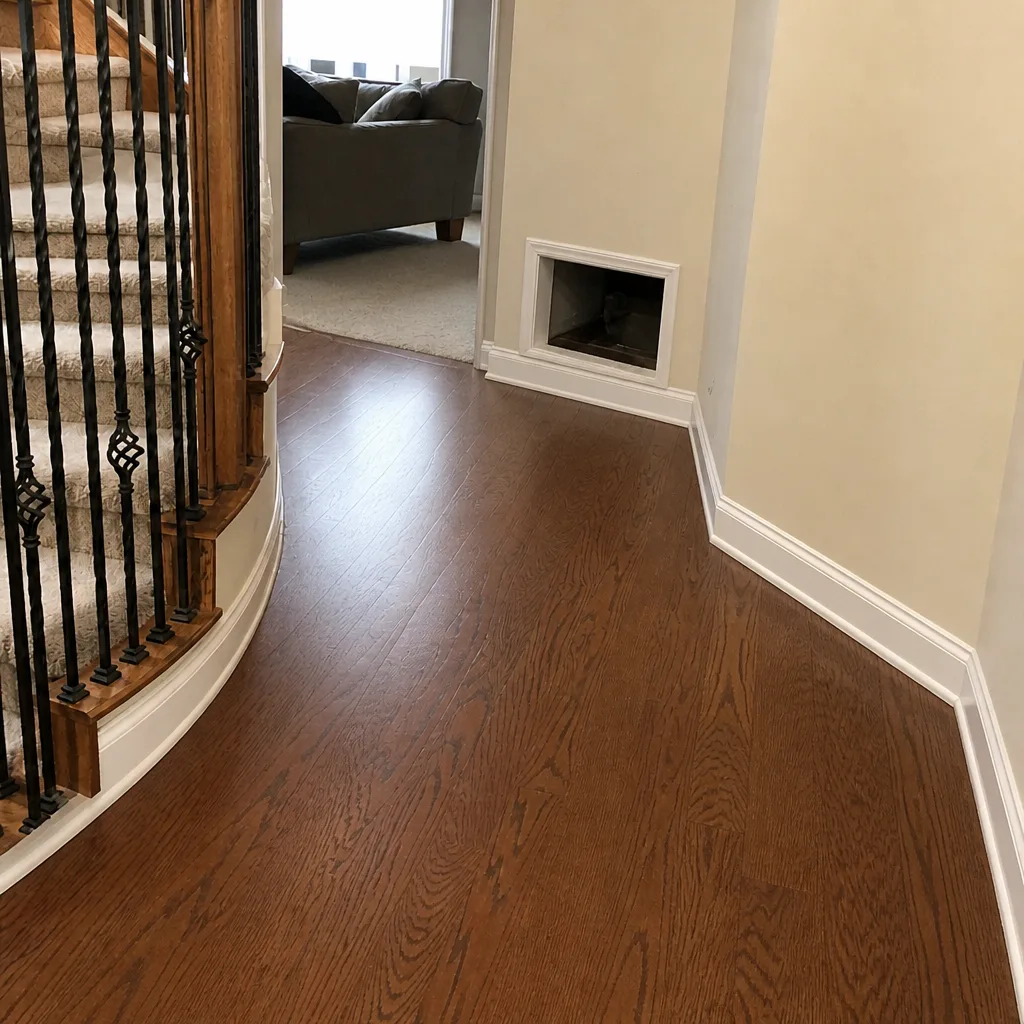
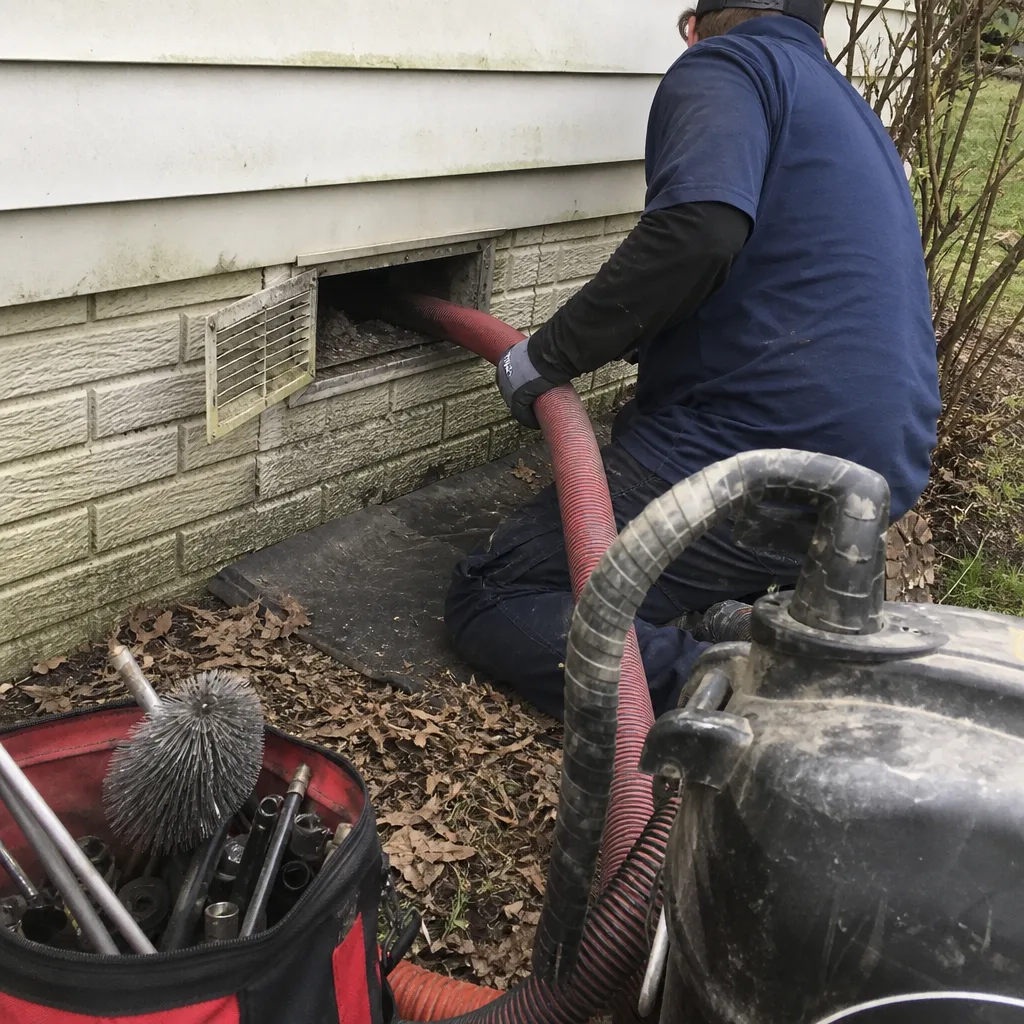
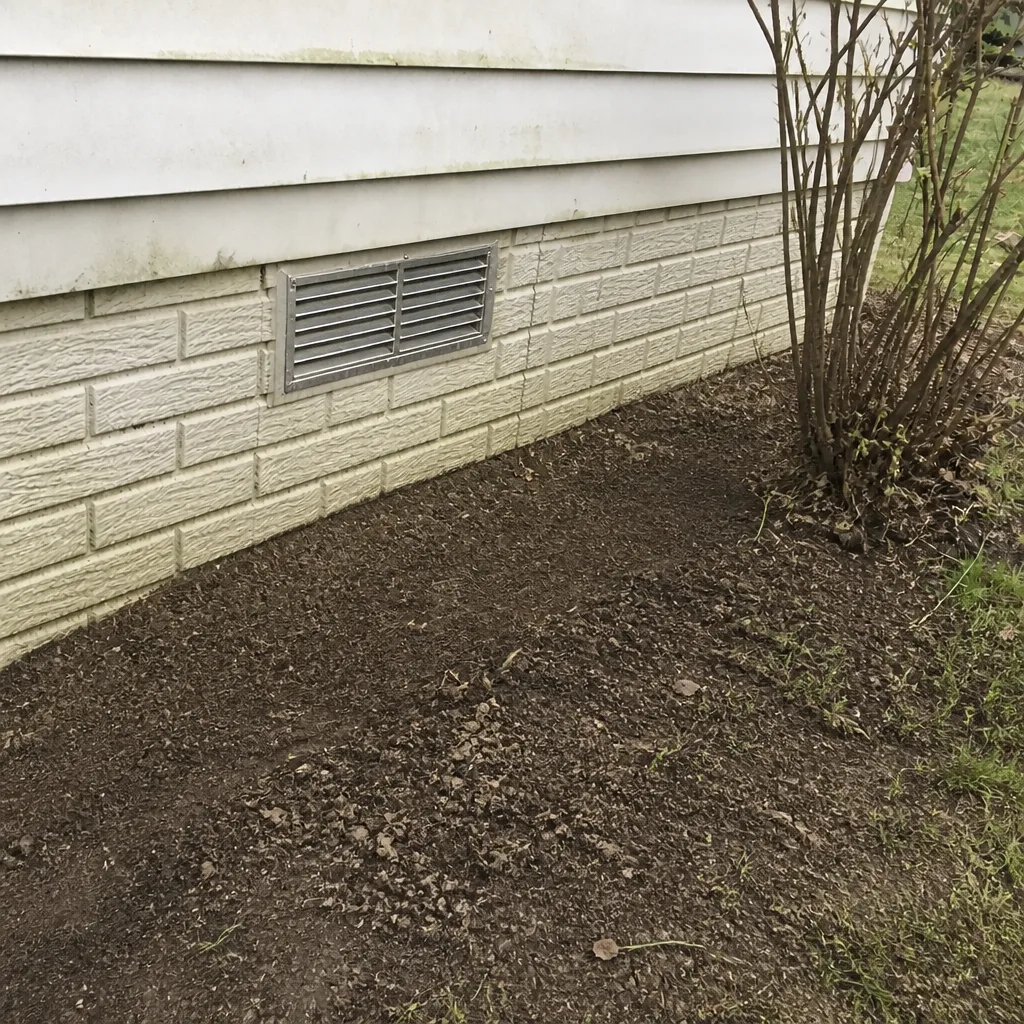
Whole-system duct and dryer vent check with before-and-after photos - you see exactly what came out of your vents
That "$99 whole-house special" is a bait ad - the real number appears once they are in your hallway, or the "clean" is a shop-vac at the register. We photograph the inside of your ducts before and after instead.
DIY vs Professional Air Duct Cleaning: The Lexington Homeowner’s Decision Guide
A shop vac feels like it should be enough. It pulls hard, it reaches the vent, and the dust disappears into the hose. Here’s the part that rarely gets explained: a consumer-grade shop vac moves roughly 60 to 80 cubic feet per minute (CFM) of air, while a commercial duct cleaning unit runs somewhere between 4,000 and 10,000 CFM. The home tool is working at under 2% of the extraction force a professional system brings to the same ductwork. That gap is the whole story, and it’s why DIY cleaning is a useful supplement rather than a replacement. This guide is written from Lexington, and it lays out exactly where DIY stops working so you can decide with facts instead of a sales pitch.
Quick Answer
DIY air duct cleaning can meaningfully improve register grilles and the short, reachable duct sections behind them, but it cannot clean trunk lines or the deeper interior of your duct system because it lacks negative-pressure extraction and contact agitation. For most Lexington homes, DIY works between professional visits, and a professional cleaning is what actually removes settled contamination from the full system. The main risk of DIY isn’t wasted effort, it’s loosening debris you can’t fully extract.
Styles & brands we work with
- Whole-home duct cleaning
- Dryer vent cleaning
- Camera inspection
- Sanitizing & deodorizing
Table of Contents
- What DIY Air Duct Cleaning Can Actually Accomplish
- Why DIY Stops Working Past the Register
- The Real Risk of Disturbing Duct Debris
- When DIY Is the Right Call
- What a Professional Crew Does That You Physically Can’t
- Lexington-Specific Factors That Change the Math
- The Cost-Benefit Math: DIY Maintenance vs. Skipping It
- A Step-by-Step Way to Decide
What DIY Air Duct Cleaning Can Actually Accomplish
A brush kit and a shop vac do real, honest work. It’s just narrower than most homeowners expect. Understanding the scope keeps you from either over-trusting your tools or dismissing them entirely.
Here’s what the equipment genuinely handles:
- Register grilles and covers. Removing and washing the grille removes a surprising amount of visible dust, pet hair, and lint. This is the most effective DIY task and it makes a real difference in how the vents look and how freely air moves through them.
- The first few feet of duct behind the register. A flexible brush on a drill or a hand rod can reach into a straight, accessible run and knock loose surface dust. You’ll pull out a satisfying amount of material.
- Surface dust after a renovation. Drywall dust and sawdust that settles near registers is exactly the kind of light, loose debris a shop vac handles well.
- Return grille lint. Return air grilles collect lint and hair faster than supply registers, and cleaning them regularly keeps that material from being pulled deeper into the system.
What this improves is mostly what you can see: appearance, airflow through the grille itself, and the dust that settles immediately around the vent. That’s not nothing. For a Lexington home with visible register buildup between professional cleanings, a brush kit earns its place in the closet.
What it doesn’t improve is the contamination sitting in your trunk lines, the main runs, and the interior walls of the duct system. Those are the areas that hold the bulk of settled debris in most homes, and they’re the areas a shop vac never reaches.
Why DIY Stops Working Past the Register
The limitation isn’t effort or technique. It’s physics. Professional duct cleaning depends on two things consumer tools can’t provide at the same time: high-volume negative pressure and mechanical contact agitation across the whole system.
Negative pressure is the missing piece
A professional system hooks a high-capacity vacuum to the main trunk, puts the entire duct network under negative pressure, and then agitates the debris inside. Because the whole system is under vacuum, loosened particles travel toward the extraction point instead of drifting into the room or settling somewhere else in the ducts. Rotobrush and Nikro systems work on this principle: the brush physically scrubs the duct wall and the negative-pressure unit captures what the brush releases. A shop vac creates suction only at the tip of its hose. It pulls what’s directly in front of it and virtually nothing else.
You can’t reach the trunk lines
Trunk lines are the large main ducts that distribute air through the house. They’re typically hidden behind walls, in soffits, or in the basement or attic, and they’re accessed through cut-in ports, not through the register boot. Without that access, a homeowner is working only in the branch runs. The trunk lines, which carry the highest air volume and collect the most settled debris over time, stay untouched.
No camera, no confirmation
Professional crews use camera inspection to see inside the ductwork before and after cleaning. That’s how you know the work was done and done correctly. DIY cleaning has no verification step, so you’re left guessing whether the run you cleaned is actually clean.
This is the line where DIY stops being effective. Everything upstream of the register boot is professional territory. In our experience, that’s also where most of the contamination actually lives.
The Real Risk of Disturbing Duct Debris
Here’s the counterintuitive part. Cleaning your own ducts can, in some cases, make indoor air temporarily worse. Not because the cleaning is wrong, but because it happens without simultaneous extraction.
Duct debris sits settled against the duct walls. When you run a brush or a shop vac through a run without the system under negative pressure, you agitate that settled material into the air stream. Some of it goes up the vacuum hose. A good deal of it becomes airborne, drifts back out through the register, and settles in the room, on furniture, or deeper into a different part of the duct system. In older Lexington homes with galvanized ductwork and years of accumulated dust, that suspension is real and noticeable.
This is exactly why professional crews run Abatement Technologies air-scrubbing and containment equipment during a job. The air scrubber captures fine particulate that gets stirred up during cleaning, and containment keeps the work zone controlled, so the debris you’re removing doesn’t become the debris you’re breathing. That’s remediation-level discipline, and it’s not something you can replicate with a shop vac and an open window.
What this means practically
- If your ducts are heavily soiled, DIY cleaning can push loose material into the living space.
- If anyone in the home has allergies or respiratory sensitivity, that temporary spike matters.
- If your system hasn’t been professionally cleaned in years, the safer move is a professional cleaning first, then DIY maintenance as upkeep.
We’re not in the business of telling you your ducts are dangerous. We’re telling you what the equipment does, and why the containment step exists in the first place.
When DIY Is the Right Call
There are genuine, specific scenarios where DIY duct maintenance is the correct choice, and we’d rather you know them than buy a cleaning you don’t need yet.
Post-renovation surface dust
After drywall, sanding, or a flooring project, fine dust lands on and around registers. Vacuuming and washing the grilles, then running a brush through the first accessible section of duct, removes the light surface layer before it gets pulled deeper into the system. This is a reasonable first step, followed by a professional cleaning if the project was substantial.
Visible register buildup between professional cleanings
Between professional visits, grilles pick up dust, pet hair, and lint. A quarterly wipe-down and vacuum of the grilles is sensible upkeep, and it keeps the material from being drawn into the system. That’s the sweet spot for DIY: frequent, light, and confined to what you can actually see.
Single, short, accessible duct runs
Some homes have a short run with an easily removable register and a straight shot to the boot. A brush kit can meaningfully clean that section. The more turns, dampers, and length a run has, the less a hand brush accomplishes.
When DIY is the wrong call
- Your ducts have never been professionally cleaned and the home is older than a few decades.
- You can smell a musty or stale odor when the system runs.
- You’re seeing visible debris blow out of supply registers when the HVAC kicks on.
- You’ve had pest activity, water intrusion, or major remodeling.
- Someone in the home has persistent allergy or respiratory symptoms that seem tied to the HVAC system.
In those cases, DIY is treating the symptom. The right move is a professional cleaning, then a conversation about whether the system needs repair as well.
What a Professional Crew Does That You Physically Can’t
A professional cleaning isn’t just “a bigger shop vac.” It’s a process with distinct, verifiable steps, and each step addresses something a homeowner can’t reach or confirm.
- Camera inspection. A crew feeds a camera into the ductwork before cleaning to see what’s actually there and after cleaning to confirm the result. You know the work was done because you can see it.
- System access. Crews cut service ports into trunk lines and main runs so the equipment can reach the areas that hold most of the contamination. These are sealed after the job.
- Containment and air scrubbing. Abatement Technologies equipment puts the work zone under control and captures airborne particulate during cleaning, so debris doesn’t migrate into the living space.
- Contact cleaning under negative pressure. Rotobrush and Nikro systems agitate the duct wall with rotating brushes and other contact tools while the system is under negative pressure, pulling the loosened debris out in the same pass.
- Duct integrity check. This is where repair capability matters. Cleaning can reveal breach points, disconnected joints, or crushed sections. A crew that can repair ductwork addresses the problem in the same visit instead of leaving you to find a second contractor.
- Filtration guidance. Based on what the cleaning reveals, a crew can recommend whole-home filtration solutions. Working with Honeywell and Aprilaire product lines, that recommendation is grounded in what your system actually needs.
The maintenance we’re discussing here, and the process-based approach we bring to air duct cleaning, both come down to the same thing: clean what you can verify, and fix what’s broken while you’re there. We clean it, and if it’s broken, we fix it.
Lexington-Specific Factors That Change the Math
Generic advice about duct cleaning misses local factors that matter. In Lexington, a few specifics shift how often DIY maintenance is worth doing and how quickly the system accumulates debris.
Heating and cooling seasons pull both ways
Central Kentucky swings between humid summers and cold, dry winters. That means the HVAC system runs hard in both heating and cooling mode, and every hour of runtime pulls more air, and more dust, through the ductwork. A system that runs year-round accumulates settled debris faster than one that idles for months. That argues for more frequent grille maintenance and less patience with deferred professional cleaning.
Older housing stock
Much of Lexington’s housing stock, from the neighborhoods around downtown out to the older suburban rings, was built decades ago. Older duct systems often have more seams, more transitions, and more places for debris to collect. They’re also more likely to have developed leaks or disconnections over time. If your home is in that category, a professional inspection early on tells you what you’re dealing with before you invest effort in DIY maintenance.
Allergy season in the Bluegrass
This part of Kentucky is known for long, heavy allergy seasons. Homeowners here often notice duct contamination more acutely because their baseline pollen load is already high. That doesn’t mean every duct system needs cleaning, but it does mean the containment and air-scrubbing steps in a professional job matter more here than they would in a region with a shorter allergy season.
The dryer vent connection
Duct cleaning and dryer vent cleaning are related concerns, and Lexington homeowners often deal with both at once. A clogged dryer vent is a fire risk independent of duct cleanliness, and it’s one of the leading causes of residential fires. dryer vent cleaning addresses that, and a professional visit is the right moment to have both checked.
The Cost-Benefit Math: DIY Maintenance vs. Skipping It
Here’s the question homeowners actually want answered: if I maintain my ducts with DIY cleaning, does that change how often I need professional cleaning, or does it just postpone the inevitable? The answer isn’t a clean yes or no.
Regular DIY maintenance, meaning quarterly grille cleaning and an annual pass through accessible runs, does reduce how fast visible debris builds up. It keeps the registers working efficiently and cuts down on the dust that gets pulled into the system in the first place. That’s a real benefit and it’s cheap: a brush kit and a shop vac are a one-time cost.
What DIY maintenance doesn’t do is extend the interval between professional cleanings indefinitely. The trunk lines and deeper duct interiors still need extraction, and no amount of register cleaning changes that. What DIY does in practice is keep the system in better shape between professional visits, which makes those visits more productive and may reduce how urgently you need one.
Two realistic approaches
- DIY maintenance plus periodic professional cleaning. You clean grilles and accessible runs yourself, and you schedule a professional cleaning at the interval that fits your home. You stay ahead of buildup and you have a professional confirm the system is clean and intact.
- Skipping interim care entirely. You do nothing between professional cleanings. Buildup accelerates, registers clog faster, and by the time you call a professional the system has more debris than a maintained one would. Not catastrophic, but it costs more effort later.
DIY alone, with no professional cleaning ever, is the option that doesn’t hold up. The trunk lines accumulate what the shop vac never touches, and the problem compounds quietly. In our experience, the homeowners who are happiest with their air quality are the ones who maintain between professional visits rather than replacing them.
A Step-by-Step Way to Decide
If you’re not sure which path fits your home, work through this in order. It takes about ten minutes and gets you to a real answer.
- Check the registers. Pull one or two supply grilles and look at the inside of the boot with a flashlight. Light surface dust suggests DIY maintenance is reasonable. Heavy, matted buildup suggests professional cleaning first.
- Listen to the system. Run the fan and note any musty odor, whistling, or uneven airflow. Those point to contamination or breach points a professional should inspect.
- Consider the home’s history. Recent renovation, water intrusion, or pest activity means a professional cleaning is warranted regardless of what the registers look like.
- Note the air quality symptoms. Persistent allergy or respiratory symptoms in the household that track with HVAC runtime are worth a professional inspection.
- Decide on maintenance frequency. Based on how quickly registers accumulate dust, set a realistic DIY schedule, usually quarterly for grilles and annually for accessible runs.
- Book a professional cleaning when the indicators point that way. Ask about camera inspection, containment equipment, and repair capability, not just price.
That last point matters because the market for this service varies widely in approach. We’ve seen how differently it plays out in Lexington, and the difference usually comes down to equipment and process rather than price.
Common Mistakes to Avoid
- Assuming a shop vac is a duct cleaning system. A shop vac works at a fraction of the airflow a professional unit produces, and it can’t put the whole system under negative pressure. Treating it as a substitute, rather than a supplement, leads to the exact contamination problem it seems to solve.
- Brushing ducts without any containment. Running a brush through a run without simultaneous extraction suspends settled particles into the air. If you do DIY, vacuum as you brush and plan for a professional cleaning if the buildup is heavy.
- Cleaning grilles but never looking deeper. Grille cleaning is the easy part. Ignoring the accessible duct behind the register means you’re cleaning the surface while the system’s real debris load stays put.
- Skipping the dryer vent entirely. Homeowners focused on duct cleaning often forget the dryer vent, which is a fire risk and not covered by the same attention. Add a dryer vent check to your maintenance list.
- Not asking about camera inspection and repair capability. A cleaning that can’t be verified and doesn’t include the option to fix a breach only half-solves the problem. Ask before you book.
- Cleaning after a renovation without a plan. Post-renovation dust is exactly the kind of fine material that benefits from a professional cleaning if the project was significant. Don’t assume a vacuum pass is enough.
- Ignoring local factors. In Lexington, where the HVAC runs hard through both heating and cooling seasons, wait-and-see approaches rarely work. Match your maintenance schedule to the local climate, not a generic calendar.
See the difference
 Before
 After
 Before
 After
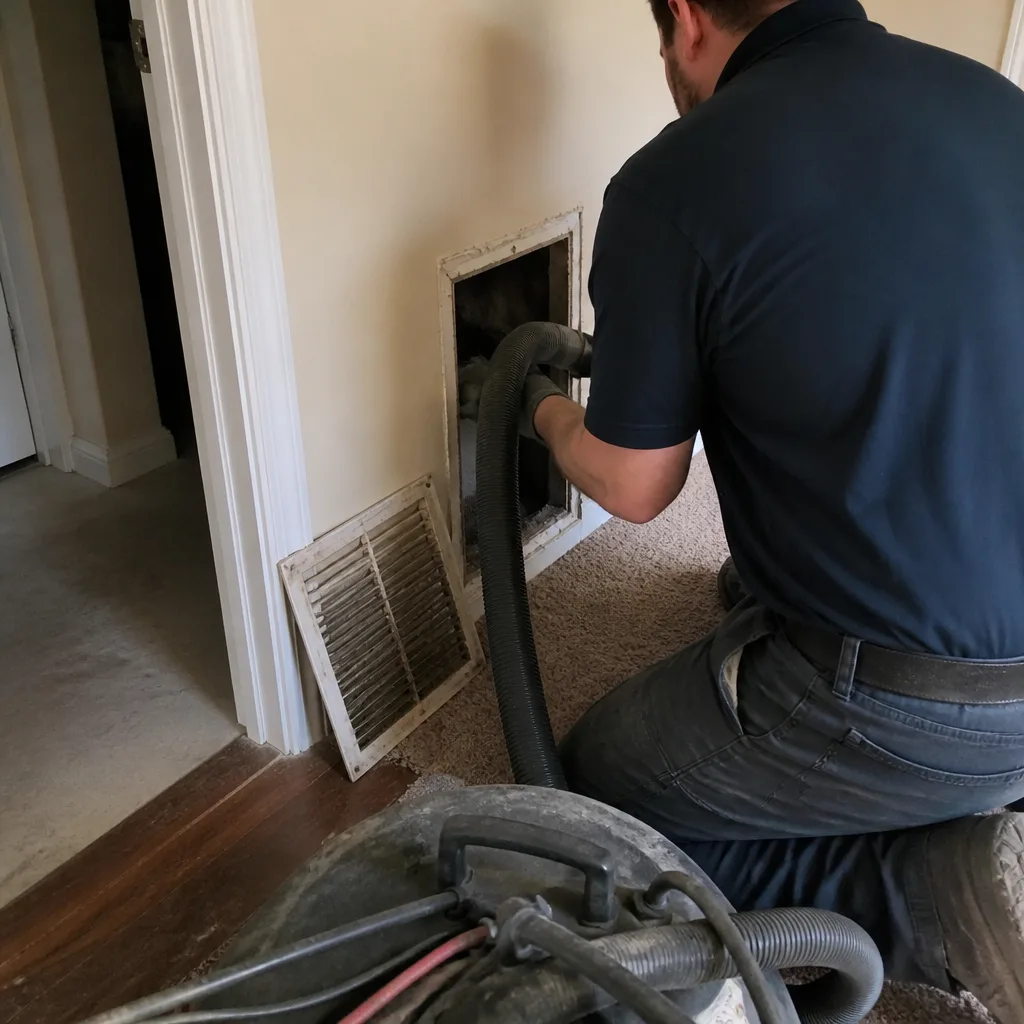 Before
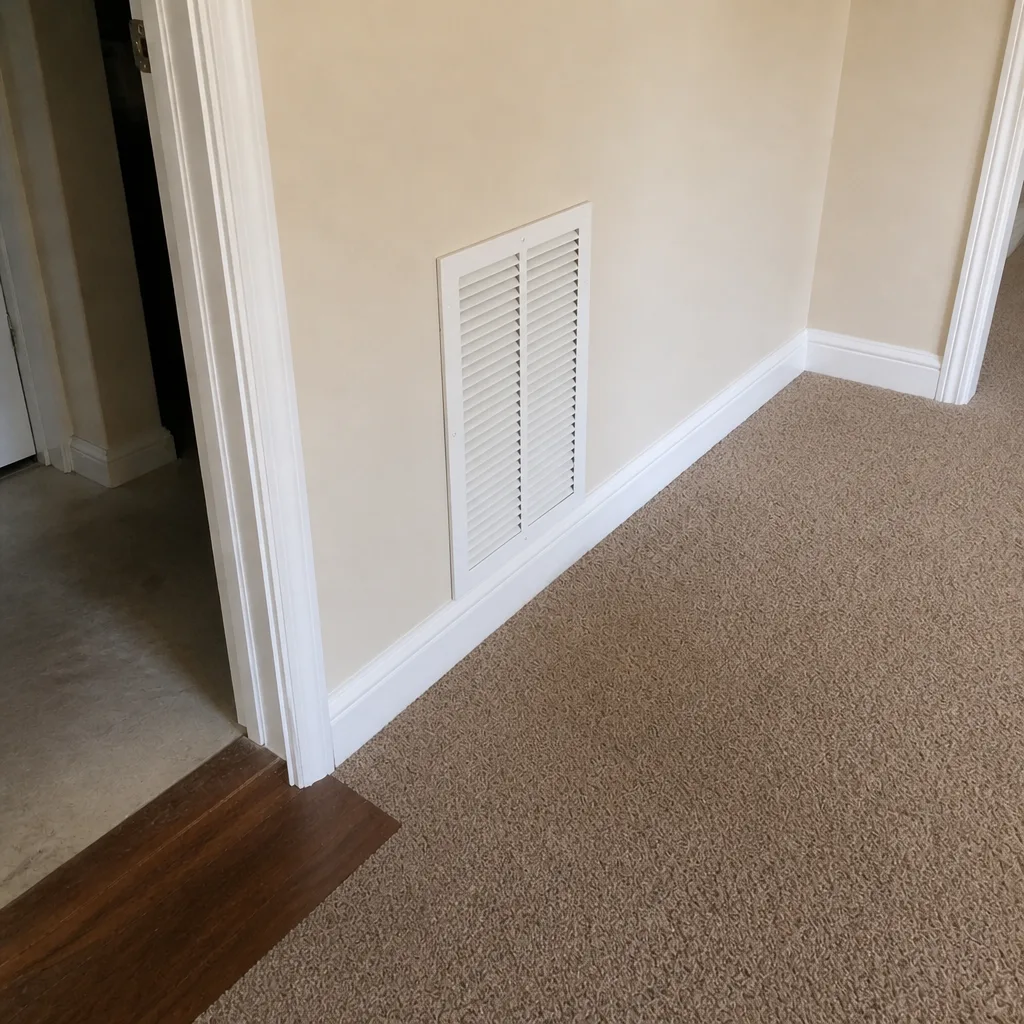 After
When to Call a Professional
Call a professional when the indicators point to contamination beyond the register, when you notice musty odors or visible debris blowing out of supply vents, when the home has had recent remodeling, water intrusion, or pest activity, or when the system has never been cleaned. A professional crew can inspect with a camera, contain and extract debris properly, and check duct integrity, which is a step DIY can’t replicate. It’s also the right call if you want the whole system cleaned under negative pressure and confirmed clean. Duct Cleaning Lexington offers free estimates in Lexington, and you can reach us at (877) 331-2339. We answer 24/7, with fast dispatch from 7am to 7pm, Sunday through Friday.
Frequently Asked Questions
No. DIY cleaning handles register grilles and the short, reachable duct run behind them, but it cannot clean trunk lines, the deeper duct interiors, or verify the result with a camera, because it lacks negative-pressure extraction and contact agitation across the whole system. DIY is a useful supplement between professional cleanings, not a replacement.
Yes, within its limits. Quarterly grille cleaning and an annual pass through accessible runs reduce visible buildup and keep material from being pulled deeper into the system. It’s cheap, it’s genuinely useful, and it makes professional cleanings more effective when they happen. Just don’t mistake it for a full-system clean.
It can, temporarily. Disturbing settled duct debris without simultaneous extraction suspends some of it into the air, where it drifts back into the room or settles elsewhere in the system. Professional crews avoid this with containment and air-scrubbing equipment. If your ducts are heavily soiled, a professional cleaning first is the safer choice.
There’s no universal interval, but local factors matter: the HVAC system runs hard through both heating and cooling seasons in central Kentucky, and older Lexington homes tend to have more seams and transitions where debris collects. Many homeowners do well with professional cleaning every few years, plus regular DIY maintenance between visits. A professional inspection gives you a more specific answer.
The scale of the equipment is different. Consumer shop vacs move roughly 60 to 80 CFM of air, while commercial duct cleaning units move between 4,000 and 10,000 CFM. Professional systems also use contact cleaning tools under negative pressure and containment equipment, which consumer tools can’t replicate at the same time.
Yes, and it’s often overlooked. A clogged dryer vent is one of the leading causes of residential fires, and the cleaning approach is different from duct cleaning. It’s worth having a professional check the dryer vent as part of a broader air quality plan, especially if it hasn’t been cleaned in years.
The Bottom Line
DIY duct cleaning is a real, useful maintenance step, and it’s the right tool for grilles and accessible runs between professional visits. It is not a replacement for professional cleaning, because a shop vac operating at under 2% of professional extraction force can’t clean your trunk lines, can’t put the system under negative pressure, and can’t verify the work with a camera. The homeowners who get the best long-term results are the ones who maintain between professional visits rather than choosing one approach over the other. If you’re ready for a professional cleaning in Lexington, we can take a look and give you a straight assessment.
Call (877) 331-2339 for a free estimate. We answer 24/7. Fast dispatch from 7am to 7pm, Sunday through Friday.
Written by the team at Duct Cleaning Lexington.