
Last updated November 15, 2026
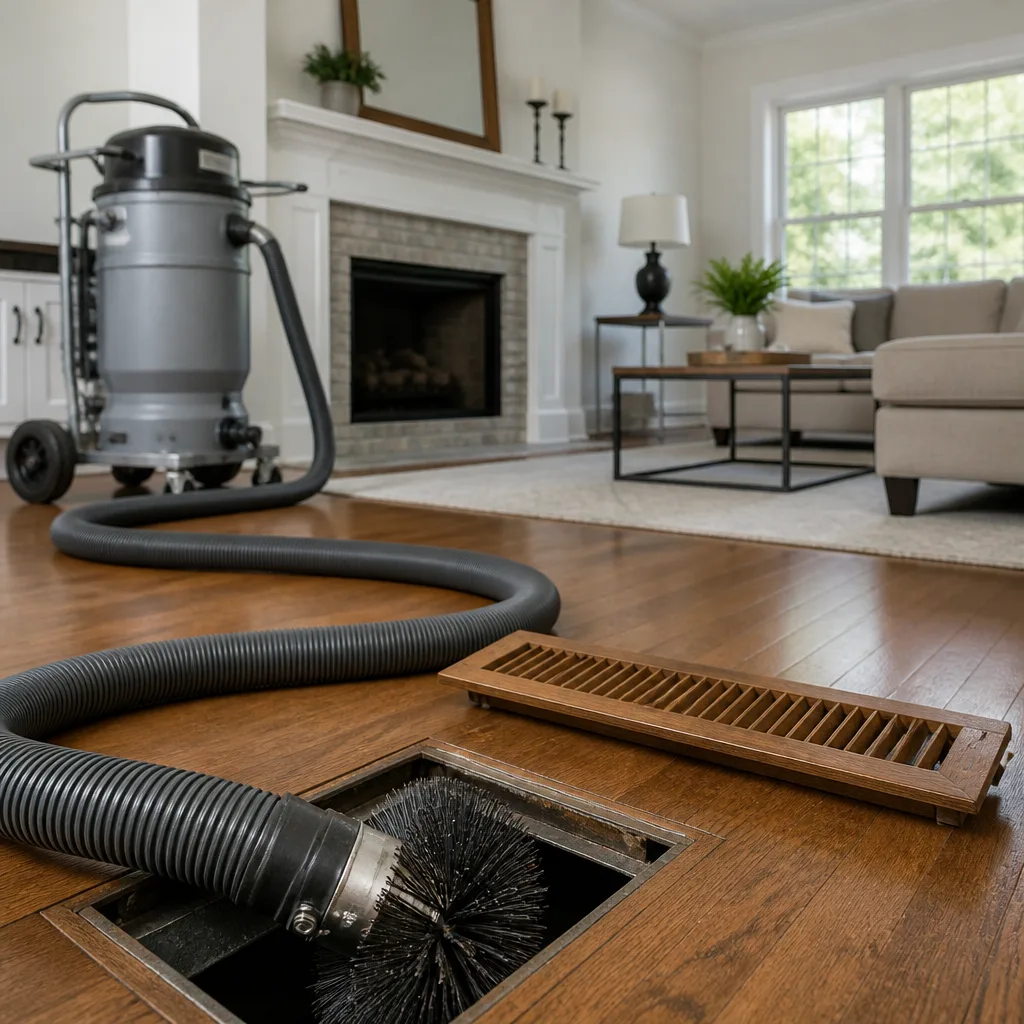 Whole-home duct cleaning
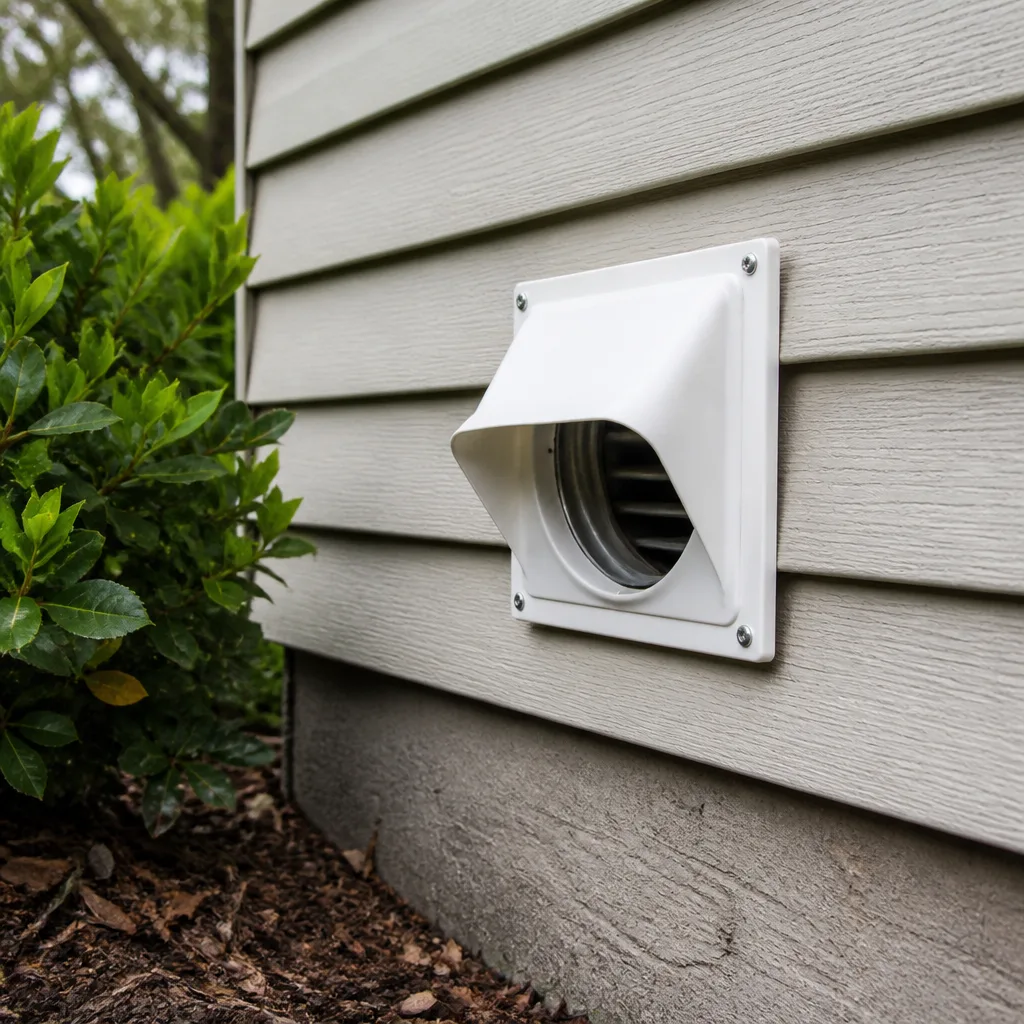 Dryer vent cleaning
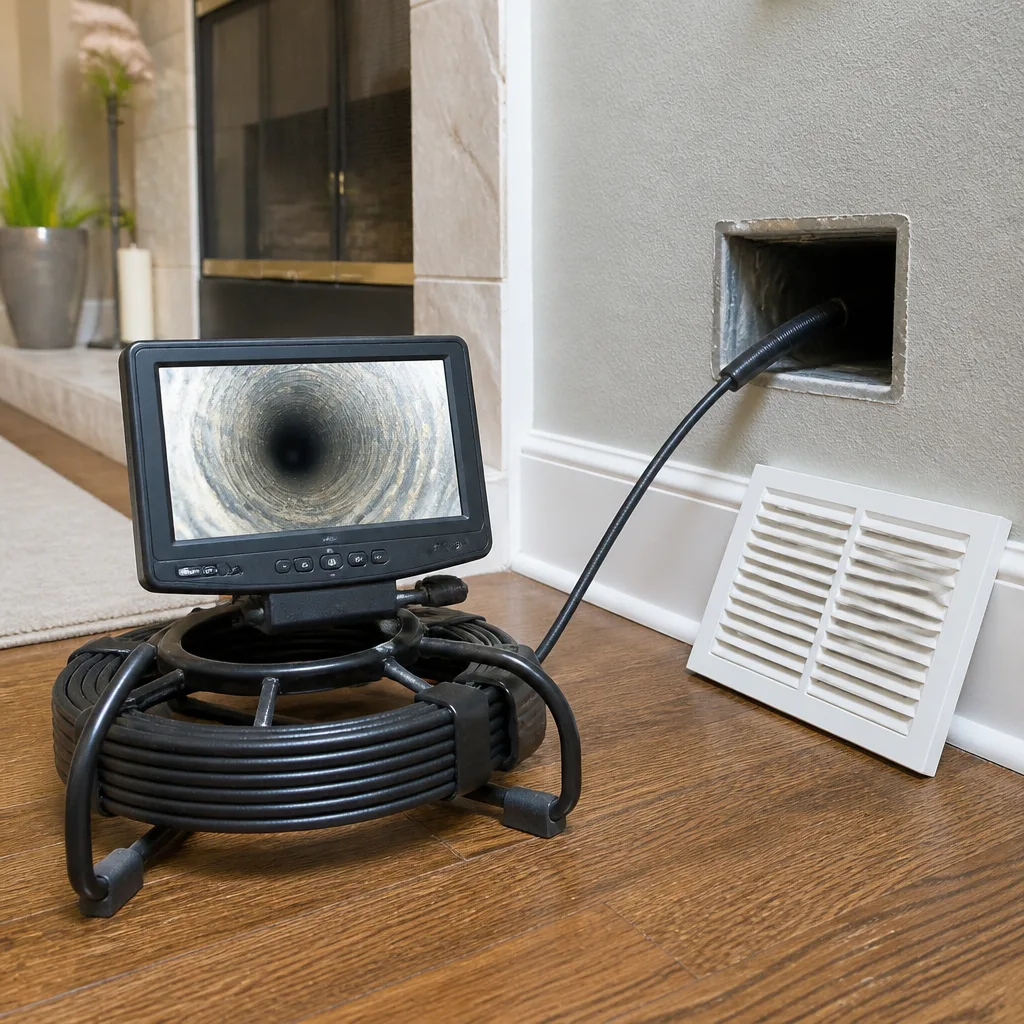 Camera inspection
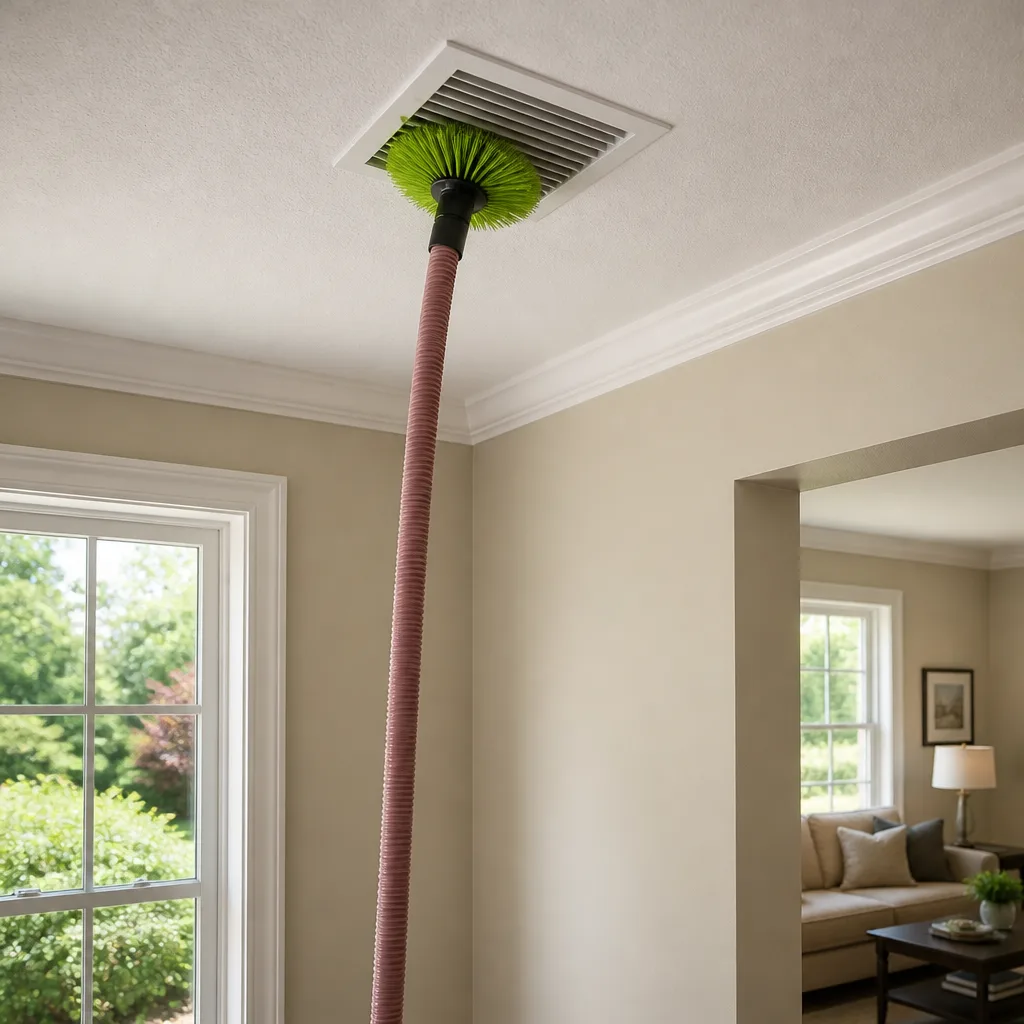 Sanitizing & deodorizing
Whole-system duct and dryer vent check with before-and-after photos - you see exactly what came out of your vents
That "$99 whole-house special" is a bait ad - the real number appears once they are in your hallway, or the "clean" is a shop-vac at the register. We photograph the inside of your ducts before and after instead.
The Complete Guide to Air Duct Cleaning in Lexington
Two quotes for the same house in Lexington can land hundreds of dollars apart, and the gap almost never tracks equipment quality. It tracks intent. One contractor is removing debris from your system. The other is running a shop vacuum over the grilles, stirring up what’s inside, and calling it done. Both will tell you your ducts are clean. Only one of them can show you. This guide walks through what a legitimate cleaning actually involves: negative-pressure extraction, how flex, sheet metal, and fiberboard ductwork each demand different handling, what a real post-cleaning inspection looks like, and when cleaning needs to be paired with repair instead of sold on its own. By the end you’ll know how to tell the two kinds of contractors apart before you book.
Quick Answer
Air duct cleaning in Lexington removes accumulated dust, pollen, and construction debris from your ductwork using negative-pressure extraction and mechanical contact cleaning, and typically costs between $250 and $600 for a whole-house residential system. The job should end with visible verification, not a receipt. If a contractor won’t show you before-and-after camera footage or explain their equipment, the price tells you nothing about what you’re getting. Call (877) 331-2339 for a free estimate and we’ll walk you through the process before you commit.
Styles & brands we work with
- Whole-home duct cleaning
- Dryer vent cleaning
- Camera inspection
- Sanitizing & deodorizing
Table of Contents
- Why Lexington Ducts Get Dirty Faster Than You’d Expect
- Negative-Pressure Cleaning vs. Contact Vacuuming
- Flex, Sheet Metal, and Fiberboard: Three Materials, Three Protocols
- What a Complete Cleaning Job Looks Like, Step by Step
- What Post-Cleaning Verification Should Include
- When You Need Repair, Not Just Cleaning
- What Duct Cleaning Costs in Lexington
- How Often Lexington Homes Actually Need It
Why Lexington Ducts Get Dirty Faster Than You’d Expect
Lexington sits in the Bluegrass region, and that geography has a direct consequence for your ductwork. The area’s spring pollen season is long and intense, driven by the surrounding grass and tree cover. Every spring, that pollen enters your return air, and the system’s filter catches some of it. The rest settles in the duct runs, where it stays.
Humidity does the second part of the work. Lexington summers run humid enough that condensation forms inside ductwork, particularly on cool metal surfaces and in unconditioned spaces like attics and crawl spaces. Moist dust doesn’t just sit there. It clumps, adheres to duct walls, and in fiberboard systems it can work its way into the material itself. That’s why contamination in Kentucky homes often accumulates faster than the generic “every three to five years” advice suggests.
The third factor is runtime. Lexington summers and winters are both long enough that HVAC systems run heavily in two distinct seasons. More runtime means more air cycles through the ducts, more dust captured and deposited, and more opportunity for the system to redistribute what’s already there. Homes here that run a system hard through July and again through January see contamination accumulate on two fronts.
The practical upshot: if you’ve owned a Lexington home for several years without a cleaning, or you’ve never had one done, there’s a reasonable chance your ducts are carrying more than the national average. That doesn’t mean panic. It means it’s worth finding out. Book an air duct cleaning inspection and get a real assessment rather than guessing from the outside of the grille.
Negative-Pressure Cleaning vs. Contact Vacuuming
Negative-pressure cleaning, also called source removal, is the method that actually extracts contamination from your system. It works by sealing the ductwork at key points and running a high-volume vacuum to pull the entire duct run into negative pressure, so debris is drawn toward the extraction point rather than pushed back into rooms. This is the standard for legitimate cleaning, and it’s what commercial and restoration contractors use when contamination has to actually leave the building.
Contact vacuuming is the complementary half. Suction alone doesn’t loosen caked-on dust from duct walls. Contact cleaning uses a mechanical brush or air whip that physically agitates the surface while the negative-pressure system carries the dislodged debris away. The two methods work together. Neither works alone.
This is where the equipment matters, and where we’re specific about ours. We use Rotobrush and Nikro duct cleaning systems, which are built for contact cleaning with integrated high-efficiency extraction. We also deploy Abatement Technologies air-scrubbing equipment on-site for containment and air quality control during the job. That’s remediation-level equipment, not consumer gear scaled up. The difference shows in the debris collected and in the air quality in your home while we work.
The alternative is what the guide’s opening described: a low-price contractor with a shop vacuum and no containment. That approach doesn’t remove much. It aggressively redistributes dust through the system and often into the living space. If a quote seems too cheap to cover proper equipment and labor, that’s usually because it doesn’t.
Flex, Sheet Metal, and Fiberboard: Three Materials, Three Protocols
Lexington homes carry a mix of duct types, and the material determines how the job has to be handled. Treating a fiberboard system like sheet metal, or a flex run like rigid duct, is how ductwork gets damaged during a cleaning.
Flex Duct
Flexible duct is corrugated plastic with an internal wire helix, common throughout Lexington homes built or retrofitted in recent decades. The corrugation traps dust in every ridge, so contact cleaning needs a soft brush sized to the duct diameter. Aggressive equipment can tear the liner or collapse the helix, and once a flex run is crushed, airflow in that branch is permanently compromised. Flex duct also tends to sag. Low spots collect debris and moisture.
Sheet Metal
Galvanized sheet metal duct is the most durable type and the easiest to clean properly. It handles mechanical brushing well, its smooth interior releases debris cleanly under negative pressure, and joints are accessible for sealing if leaks show up. Older Lexington homes often have sheet metal trunk lines with flex branches feeding individual rooms, which means a single job may involve two different protocols.
Fiberboard
Fiberboard duct, sometimes called duct board, is compressed fiberglass with a foil face. It’s common in some construction eras and it’s the material that requires the most care. The interior surface is soft, so brushing too aggressively abrades it and releases loose fibers into the airstream. Cleaning fiberboard means lower-pressure contact methods and careful inspection for integrity afterward. If the foil facing is compromised or the board is water-damaged, cleaning may not be the answer; the section may need to be replaced, which is a repair question, not a cleaning one.
Knowing which materials you have matters before the job starts. A contractor who arrives without asking is a contractor who hasn’t thought about it.
What a Complete Cleaning Job Looks Like, Step by Step
A complete cleaning of a Lexington home follows a sequence. The order isn’t arbitrary; each step depends on the one before it, and skipping steps is how jobs get done badly.
- System assessment. Before any equipment runs, the technician maps the duct layout, identifies the materials in each run, and locates the supply and return trunk lines. This is also when obvious breaches, crushed runs, or disconnected joints get flagged for repair.
- Containment and air scrubbing. Abatement Technologies air-scrubbing equipment goes in to capture airborne particulate during the job, so dislodged debris doesn’t migrate into your living space. Registers are covered or sealed.
- Negative-pressure setup. The extraction unit is connected at a main trunk point and the system sealed so the entire duct run is under negative pressure. This is the core mechanism: debris moves toward extraction, not into rooms.
- Contact cleaning of every run. Rotobrush and Nikro equipment agitates duct walls run by run, loosening adhered debris into the negative-pressure airstream. Flex runs get soft brushes sized to the duct; sheet metal gets more aggressive mechanical cleaning; fiberboard gets lower-pressure treatment.
- Component cleaning. Registers, grilles, and return covers get cleaned separately. The blower compartment and accessible HVAC components are addressed where appropriate.
- Post-cleaning verification. A camera inspection confirms what was actually removed, and before-and-after images document the result. This step is not optional.
That sequence is what one flat price per system should buy. If a contractor’s process skips steps two, three, or six, they’ve cut the job down to a vacuum pass. Dryer vents are a separate service with their own protocol; if you want that handled at the same time, ask about dryer vent cleaning as part of the visit.
What Post-Cleaning Verification Should Include
Verification is where a legitimate cleaning separates itself from a blow-and-go job, and it’s the part most homeowners don’t know to ask for. Here’s what a real post-cleaning inspection includes.
- Camera inspection of the duct interior. A small camera run through supply and return trunks shows the inside surface after cleaning. You should be able to see it yourself, on screen or in images.
- Before-and-after documentation. Photos or footage of the same duct sections before and after cleaning, so you have a record of what was actually removed.
- A debris estimate. The extraction container tells the story. A technician should be able to tell you roughly how much material came out.
- A walkthrough of findings. Any breaches, disconnected joints, crushed flex, or compromised fiberboard found during the job should be pointed out, with photos, so you understand what’s there.
- A written summary. Materials cleaned, components addressed, and anything flagged for follow-up repair. That’s the record that tells you the job happened.
If you ask for before-and-after images and the answer is something other than “here they are,” that’s your answer about the job. Duct Cleaning Lexington documents every cleaning so you have proof of what came out of your system, not just a receipt that says it did.
When You Need Repair, Not Just Cleaning
Cleaning and repair are different services, and treating a broken system as a cleaning job is a common mistake. Cleaning can only improve airflow through ductwork that’s actually intact. If the system leaks or runs are disconnected, the money spent on cleaning goes somewhere other than the rooms it’s meant to serve.
Here’s when cleaning should be paired with or preceded by repair.
- Disconnected flex runs. Flex duct can pull loose at joints, especially in attic runs where movement and heat are constant. A disconnected run dumps conditioned air into the attic. Cleaning won’t fix it.
- Compressed or kinked flex duct. A crushed run restricts airflow to that room permanently. It needs to be replaced, not cleaned.
- Duct breaches and leaks at joints. Leaky joints at trunk connections and register boots lose conditioned air into walls and crawl spaces. Repair and sealing are the fix.
- Compromised fiberboard. Water-damaged or abraded fiberboard needs section replacement.
- Pest intrusion or water intrusion damage. Contamination that has reached the material itself means addressing the damaged section.
During a cleaning, we find these regularly because the equipment takes us through the whole system. Most cleaners can’t fix what they find, which means you’re calling a second contractor and starting the process over. We handle air duct cleaning and duct repair as one company, so a cleaning visit that turns up a breach gets fixed in the same job. When cleaning and repair are done right, a whole-home filter from Honeywell or Aprilaire is often worth discussing at the same time, because a properly sealed, clean system is when filtration upgrades actually perform as intended.
What Duct Cleaning Costs in Lexington
Duct cleaning in Lexington typically runs from about $250 to $600 for a whole-house residential system, depending on system size, duct material mix, and how much contamination is present. Duct repair and dryer vent cleaning are quoted separately. The written estimate sets the final price, and the estimate is free.
| Service | Typical Estimate Range | What Drives the Price |
|---|---|---|
| Whole-house air duct cleaning | $250 – $600 | Number of runs, duct materials, contamination level, access |
| Single-run or partial cleaning | Quote per system | Scope of runs being cleaned |
| Duct repair (per issue) | Quote per issue | Type of breach, duct material, access |
| Dryer vent cleaning | Quote per vent run | Vent length, routing, access |
Why the range is so wide, and why the low end deserves scrutiny: a legitimate job requires equipment that costs real money to run and a technician who spends real hours in your attic. You cannot deliver negative-pressure extraction, contact cleaning of every run, and camera verification for a token price. A quote significantly below the ranges above is usually a vacuum pass, not a cleaning, or it’s a teaser that grows when the technician arrives. A quote well above the high end should come with a specific reason tied to your system.
Why are some quotes so much cheaper? Because they’re for a different, lesser job. How do I know the work was actually done? Ask for before-and-after images of your own ducts before you book, and make it part of the agreement. Call (877) 331-2339 for an exact quote; estimates are free and we give you the price per system up front.
How Often Lexington Homes Actually Need It
There’s no universal schedule, and the “every few years” rule of thumb is a starting point, not a prescription. In Lexington, several conditions push the interval shorter.
- You have pets or allergy sufferers in the home. More particulate circulating means faster accumulation.
- You’ve done a renovation. Drywall dust, sawdust, and construction debris enter the return air immediately. Post-renovation cleaning is one of the clearest cases for the service.
- The system hasn’t been serviced in years. An unknowable interval means it’s worth opening up and looking.
- You’ve noticed visible dust collecting at registers or a persistent musty smell when the system runs.
- You just bought the home. You don’t know the prior owner’s maintenance history, and cleaning gives you a known starting point plus documentation of what’s there.
For most Lexington homes, a cleaning every few years with inspection in between is reasonable, and you can let the inspection tell you rather than guessing. A technician who’s already in the system can tell you honestly whether it needs cleaning again.
Common Mistakes to Avoid
- Booking on price alone. The lowest quote in Lexington is almost always the least thorough job. Ask what equipment they use and whether they do camera verification before you compare numbers.
- Not asking for before-and-after documentation. If the contractor can’t show you images from your own ducts, you have no way to know what was removed. Make documentation part of the deal up front.
- Cleaning a duct system that’s leaking. If you clean without finding and fixing breaches, conditioned air continues escaping into the attic or crawl space and the contamination comes back faster. Diagnosis comes first.
- Treating fiberboard like sheet metal. Aggressive cleaning damages fiberboard. A contractor who doesn’t ask what material your ducts are made of is one who hasn’t planned the job properly.
- Ignoring the dryer vent. Dryer vents are one of the leading causes of residential fires, and they clog far faster than ducts. If your vent hasn’t been cleaned in years, address it alongside the ducts.
- Forgetting post-renovation cleaning. Drywall dust is fine particulate that settles into every part of the system and stays there. If you’ve remodeled recently in Lexington, that’s a specific reason to get the ducts cleaned now.
- Assuming all contractors offer repair. Ask what happens if the cleaning reveals a breach. If the answer is “we’d have to refer that out,” you’re back to a second contractor and a second schedule.
See the difference
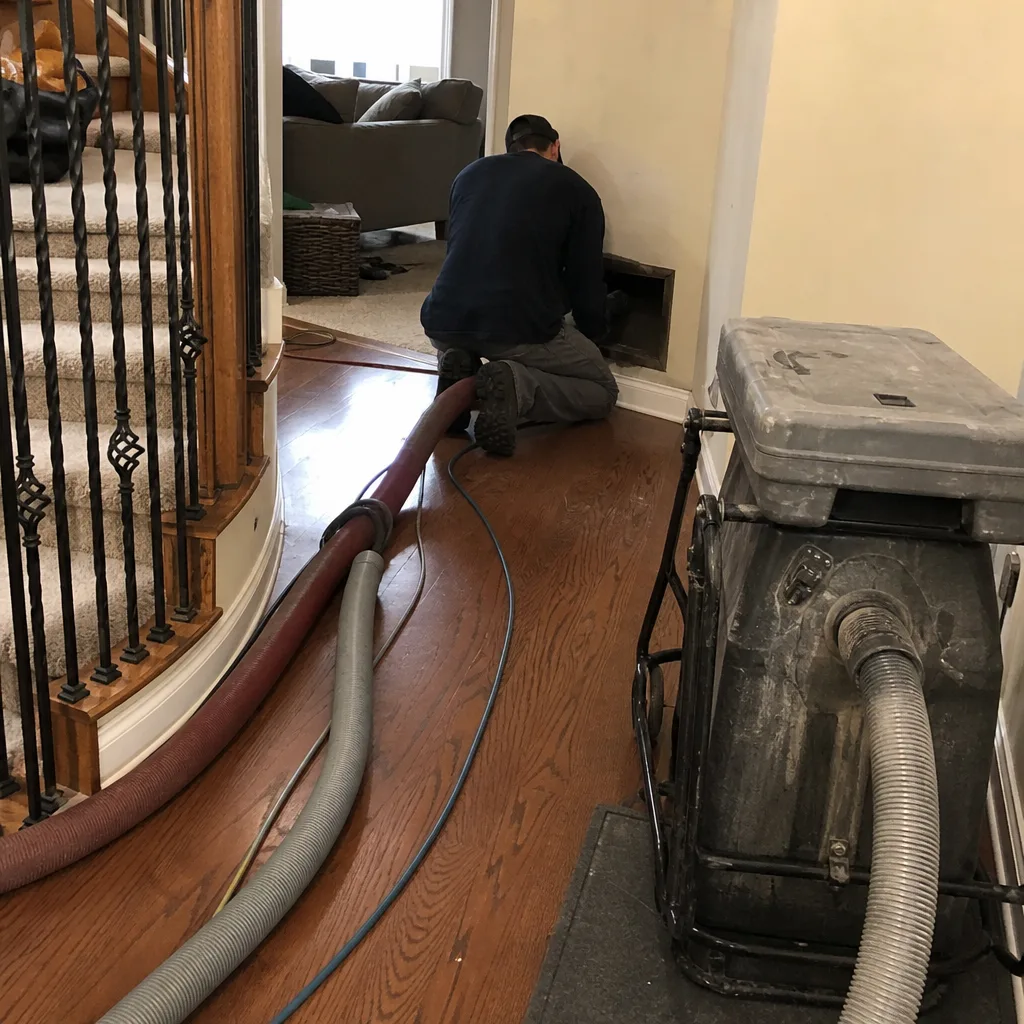 Before
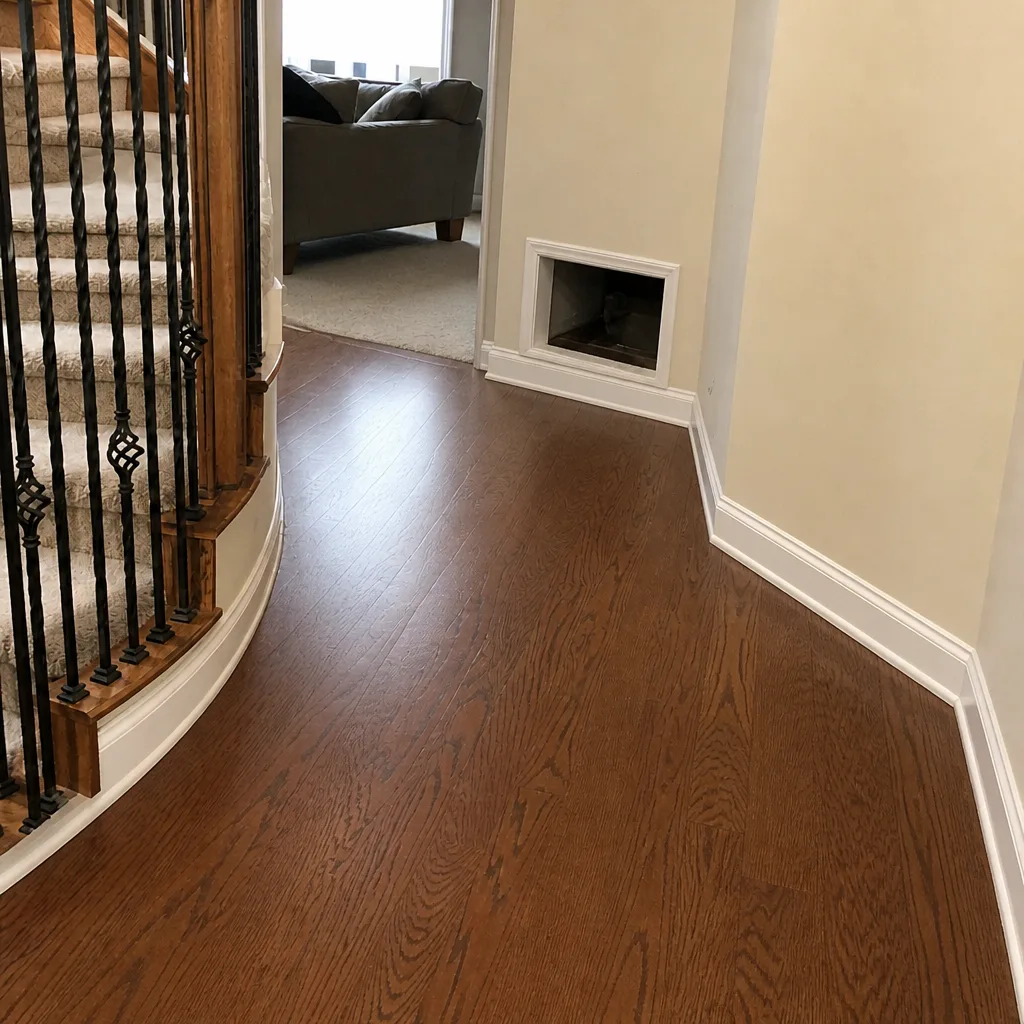 After
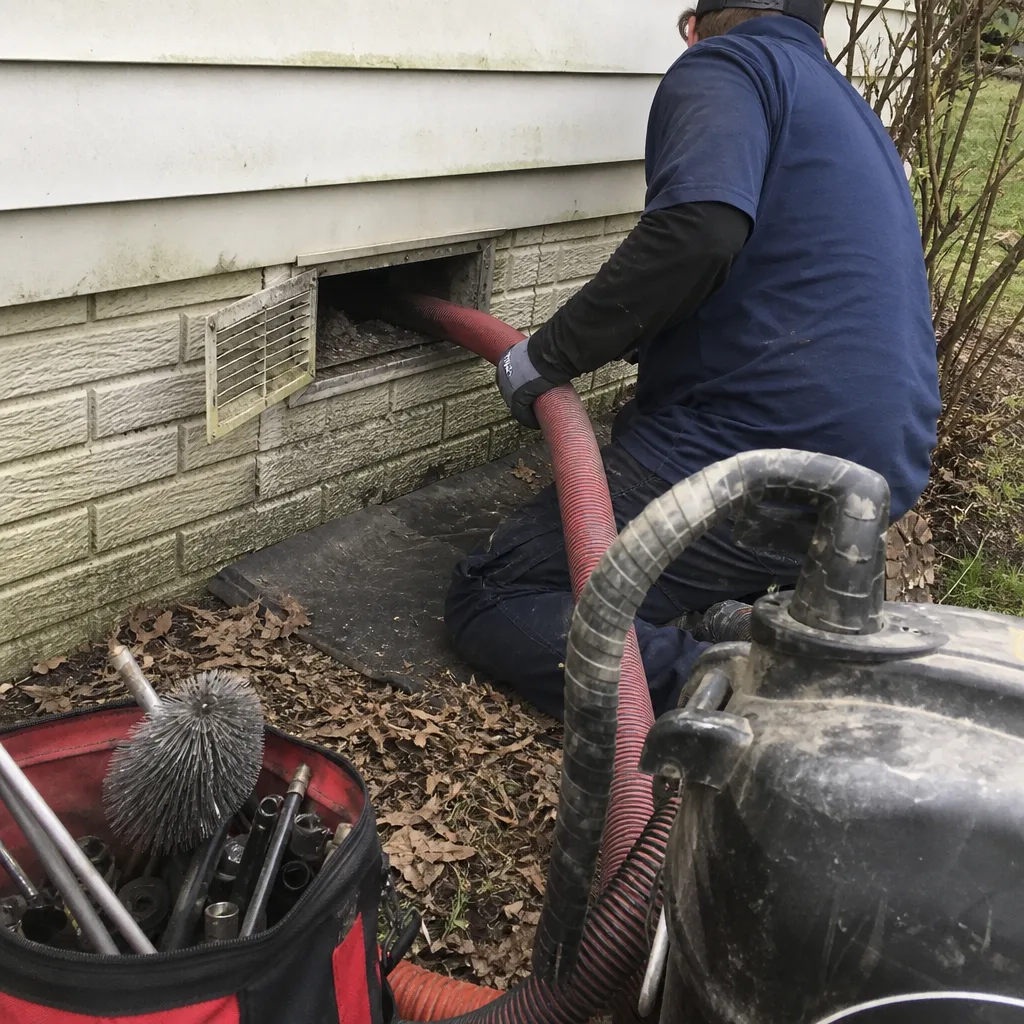 Before
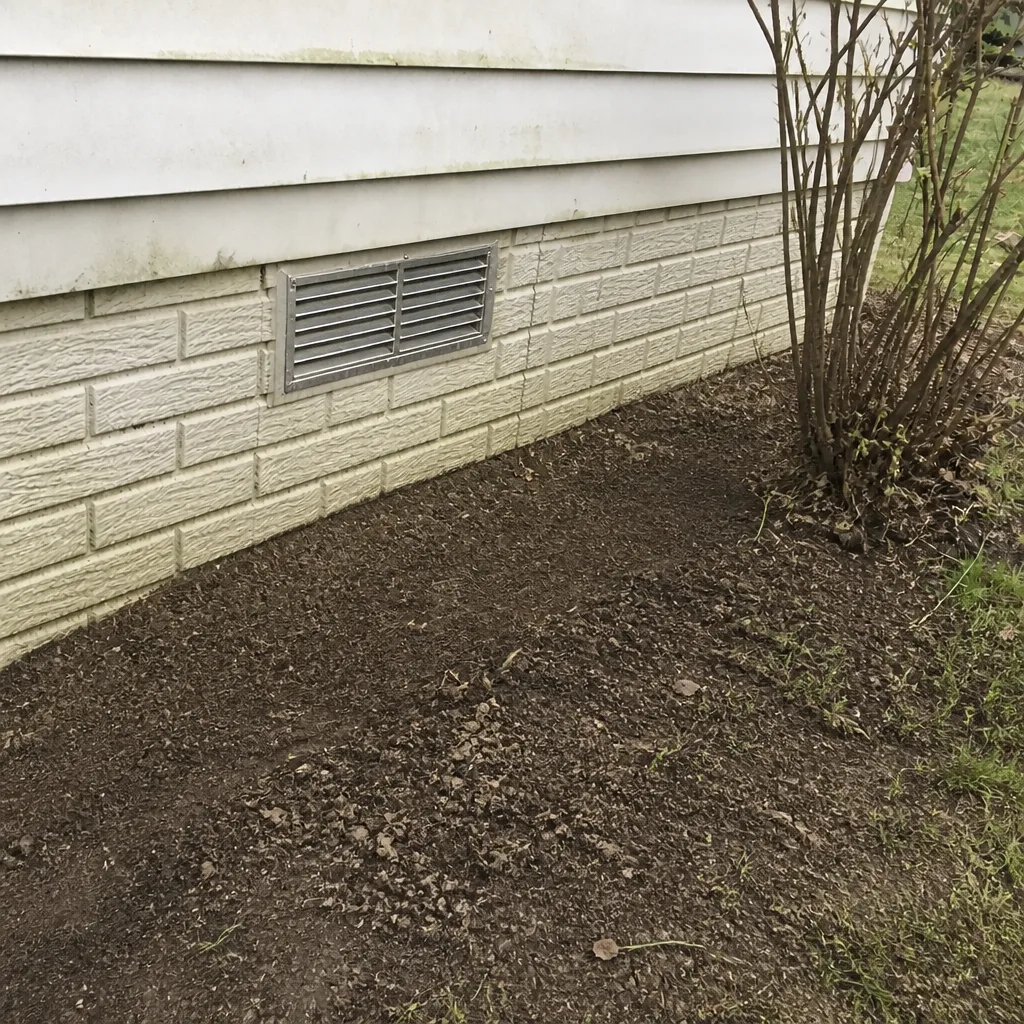 After
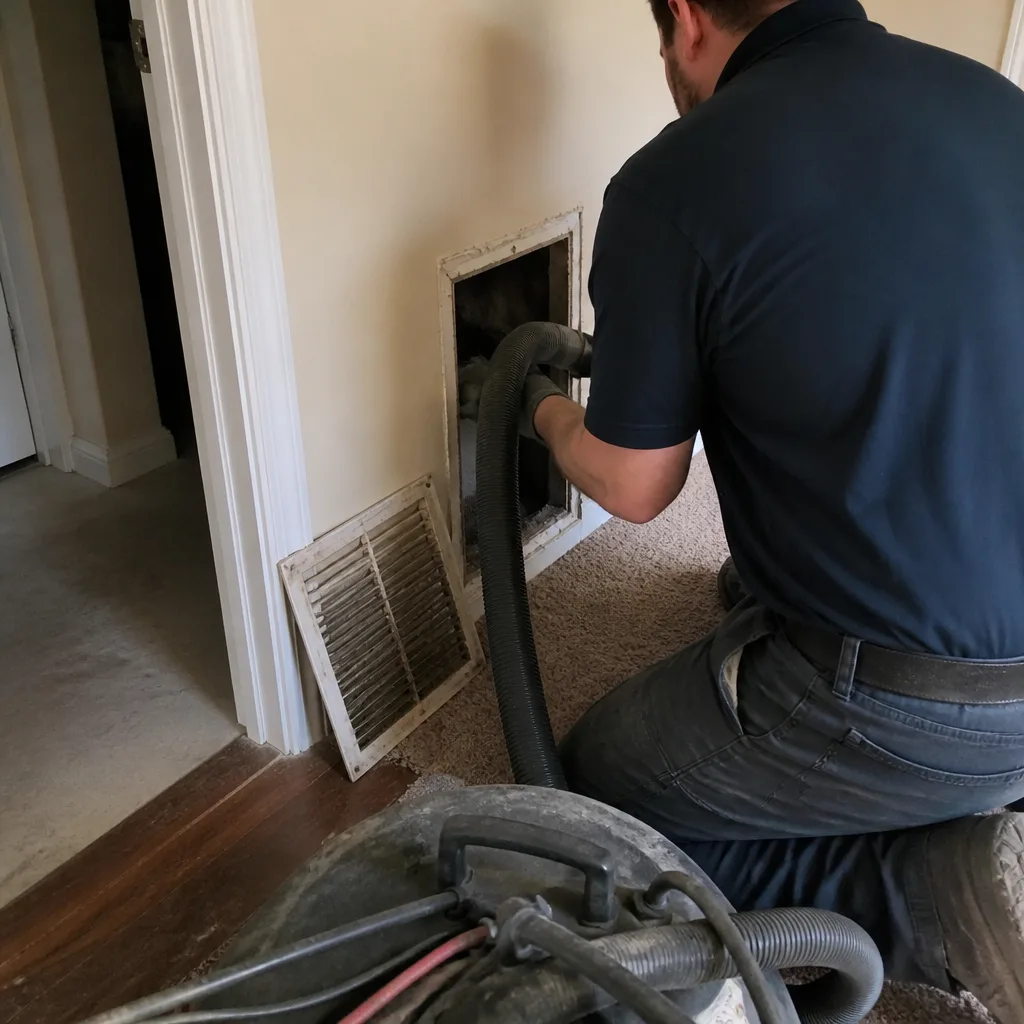 Before
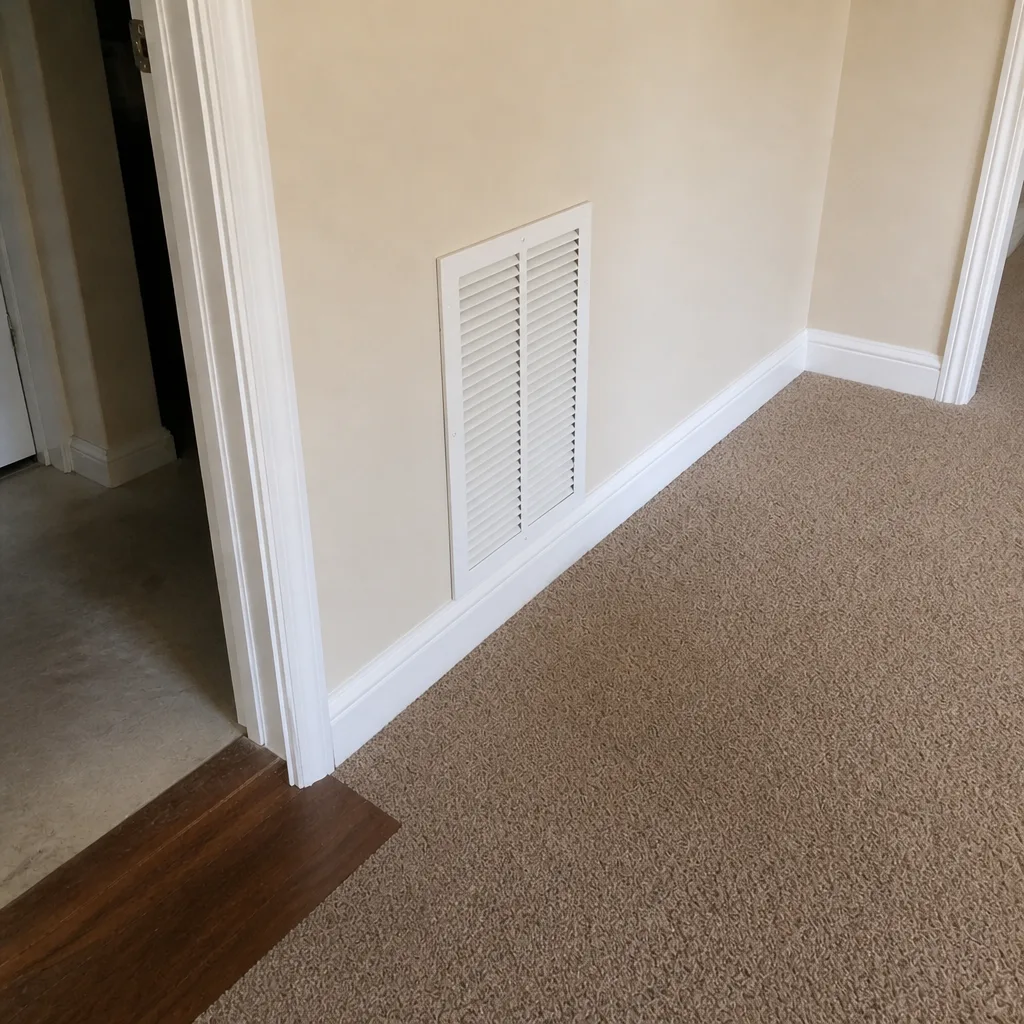 After
When to Call a Professional
Call a professional when you can see dust collecting at registers faster than usual, when there’s a musty or stale smell when the HVAC kicks on, or after a renovation that generated fine dust. Call when you’ve bought a home with unknown maintenance history, or when you have allergy sufferers in the household and want a known baseline. Call immediately if you suspect a disconnected or crushed duct run, since that’s a repair issue, not a cleaning one.
There are times when a professional cleaning is simply the right call and there’s no useful way to assess your ducts from the outside. An inspection is the way to find out. Duct Cleaning Lexington offers free estimates in Lexington. Call (877) 331-2339. We answer 24/7. Fast dispatch from 7am to 7pm, Sunday through Friday.
Frequently Asked Questions
Air duct cleaning in Lexington typically costs $250 to $600 for a whole-house residential system, with the written estimate setting the final price. System size, duct material mix, and contamination level drive the range. Call (877) 331-2339 for an exact quote; estimates are free.
You don’t need to be in the same room, but you should be home for the walkthrough at the end. That’s when the technician walks you through what was found, shows you the before-and-after images, and flags anything needing repair. That walkthrough is how you know what the job actually did.
Yes, and that’s what containment equipment is for. We run Abatement Technologies air-scrubbing equipment during the job so airborne particulate gets captured rather than settling into the living space, and the ductwork is sealed under negative pressure during cleaning. Registers are covered. The dust goes into the extraction system, not into your rooms.
Cleaning removes contamination from ductwork that’s structurally intact. Repair addresses breaches, disconnected runs, crushed flex, and damaged fiberboard. They’re different services, but they’re often needed together, because a cleaning goes through every run and reveals the problems. We offer both, so a cleaning visit that finds a breach can get it fixed in the same job.
For most Lexington homes, every few years is reasonable, with inspection to confirm. Pets, allergy suffers, renovations, and long gaps in system service all push that interval shorter. Let an inspection tell you rather than following a fixed calendar.
Yes, as a standalone service. Dryer vents are one of the leading causes of residential fires, and they clog much faster than ductwork. If your vent hasn’t been cleaned in years, we’ll quote it alongside the duct cleaning. Call (877) 331-2339 to schedule both.
The Bottom Line
The price difference between a cheap duct cleaning and a real one comes down to whether the job removes debris or just moves it. A complete cleaning means negative-pressure extraction, contact cleaning of every run with equipment matched to flex, sheet metal, or fiberboard, containment during the work, and camera verification of what actually came out. That’s what one flat price per system should buy in Lexington, and if a contractor can’t show you the before-and-after, they’ve told you which kind of job you’re getting. Book with a company that does both cleaning and repair, so problems found during the job get fixed. Duct Cleaning Lexington offers free estimates. Call (877) 331-2339. We answer 24/7. Fast dispatch from 7am to 7pm, Sunday through Friday. Written by the team at Duct Cleaning Lexington.